Two Tapes That Disagree by Two Millimetres
 Callum Reith-Sowande
I remember standing on a job site back in the nineties, watching a lad struggle with a piece of expensive, "professional grade" tape that kept buckling every time he tried to reach across a frame. He’d spent a fortune on it, but the numbers were already rubbing off and the hook was wobbling like a loose tooth. It’s a joke how much money people throw at branding when they don't actually know how to review a measuring tape based on how it performs in the mud and the dust. Most of the reviews you’ll find online are just people reading a spec sheet, but a spec sheet won't tell you if that blade is going to snap like a twig the moment you need a long reach.
I’m not here to sell you on fancy colors or heavy-duty cases that just add bulk to your belt. I’m going to show you what actually matters: the tension in the blade, the clarity of the markings, and whether that end hook stays true after a hundred drops. I’ll give you the straight truth on how to review a measuring tape so you can stop buying disposables and start investing in tools that last.
Precision Testing Finding Truth in the Numbers
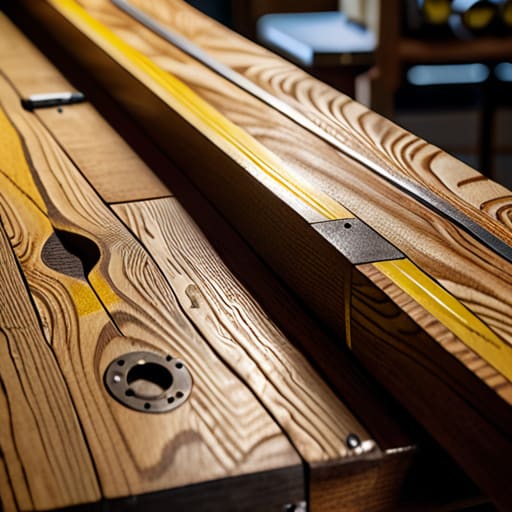
You can’t just pull a tape out, squint at a mark, and assume it’s right. If you want to know if a tool is worth its salt, you need a bit of measuring tape precision testing. I always keep a known length—a scrap of seasoned oak I’ve cut to exactly one metre—on my workbench for this exact reason. Pull your new tape against that piece of wood three times. If you’re seeing variations of more than a millimetre, you aren't looking at a tool; you're looking at a suggestion.
Pay close attention to how the blade behaves when it's extended. A cheap bit of metal will bow and wobble the moment you reach past a certain point, making it impossible to get a true reading. I look for decent tape measure blade stiffness that allows the tape to stand out straight without buckling under its own weight. If the blade feels limp or "floppy," it'll never give you a reliable line on a long run. Don't settle for a tape that lies to you just because the casing looks shiny.
Blade Stiffness Why Slop Is the Enemy of Speed
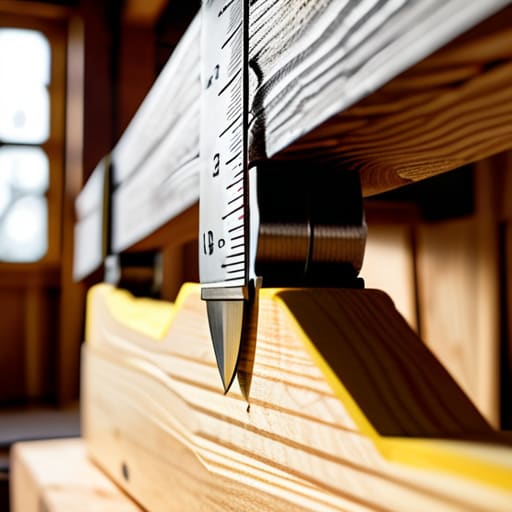
A tape that buckles the moment you try to bridge a gap is nothing more than a glorified piece of ribbon. When I was teaching apprentices, I’d watch them struggle with those flimsy, cheap bits of tin, trying to mark out a long run only to have the blade fold under its own weight. That’s where you lose your rhythm. You need tape measure blade stiffness that actually holds a line; if the blade doesn't stay rigid when extended, you're going to end up with a measurement that's "close enough," and in my book, close enough is a failure.
If you're testing a new one, pull it out to about four or five feet and see how much it bows. A quality tool should feel substantial, not like a wet noodle. This isn't just about convenience; it’s about measuring tape precision testing in a real-world setting. If the steel is too thin, it’ll whip and snap, making it impossible to keep your pencil steady on the mark. A stiff blade allows for a single, confident movement, which is the only way to work efficiently.
Five Things to Look for Before You Pay for a Tape
- Check the hook for play. A little wiggle is necessary so it can grab the edge of a board or press against a stop, but if it feels loose and rattling like a broken tooth, the whole measurement is a lie.
- Watch the retraction. Pull it out fast and let it go. If it hits the casing with a violent thud or stops halfway because the spring is tired, leave it on the shelf. It should snap back smooth and controlled, every single time.
- Look at the numbers, not just the lines. I've seen tapes where the printing is so thin you have to squint to see the sixteenths. If the markings aren't bold and clear, you'll end up making a mistake that costs you more than the tape was worth.
- Test the blade's "stand-out." Extend the tape out as far as it will go without buckling. If it folds over like a wet noodle the moment you hit thirty inches, you'll never be able to measure a long span without a second pair of hands.
- Inspect the casing for grit and cracks. A good tape should feel solid in the palm. If the plastic feels thin or the casing is full of gaps where sawdust can get in and jam the mechanism, it's just more disposable rubbish.
Don't Settle for Second Best
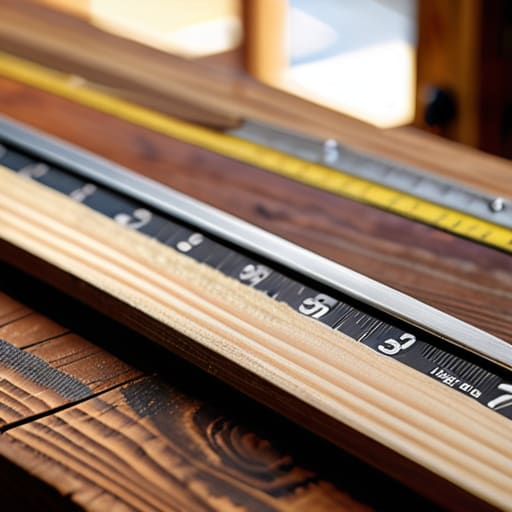
At the end of the day, reviewing a tape isn't about reading a fancy marketing brochure; it’s about putting the tool through its paces. You need to see if those numbers stay crisp when the blade gets dirty, if the hook holds firm without wobbling, and if the housing can actually take a tumble on a dusty site without cracking. If the blade lacks the stiffness to stay true over a long span, or if the markings start to bleed into one another, it’s nothing more than a glorified piece of scrap metal. I’ve seen too many lads buy the cheapest thing in the van, only to find their joinery is out by three millimetres because their tool couldn't hold a straight line. Invest in accuracy, not just a brand name.
I know the temptation to just grab whatever is closest to the bench, but remember that your work is only as good as the measurements you start with. A good tape is a silent partner; it should work so well you don't even have to think about it. When you find one that hits every mark and snaps back with purpose, you've found something worth keeping for the long haul. Treat your tools with respect, and they'll reward you with work that speaks for itself. A man who trusts his measurements is a man who can work with confidence, and that's worth every penny.