Twenty Minutes of Tool Maintenance a Week
 Callum Reith-Sowande
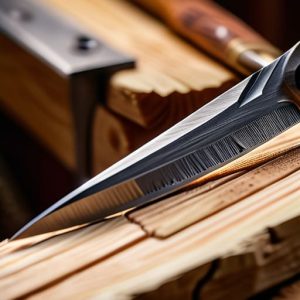
I remember standing in a college workshop back in the nineties, watching a lad spend a fortune on a fancy electric sander only to spend the next hour fighting a gouge in a piece of oak because his chisel was as blunt as a spoon. It’s a waste of time and a waste of good timber. Most people think you need a shed full of expensive chemicals and high-tech gadgets to keep your kit in shape, but that’s just nonsense sold to you by people who want your money. If you want to know how to maintain hand tools weekly, you don't need a chemistry set; you just need a bit of discipline and a steady hand.
I’m not here to sell you on some complicated, multi-step system that takes all Sunday morning to finish. I’m going to show you my personal routine for keeping an edge that actually cuts rather than just pushing wood around. We’ll stick to the basics: cleaning, oiling, and a quick touch-up on the stones. I’ll give you the honest, no-nonsense truth about what actually matters so you can spend less time fussing with gear and more time making things that last.
Preventing Tool Rust Before the Oxidation Wins
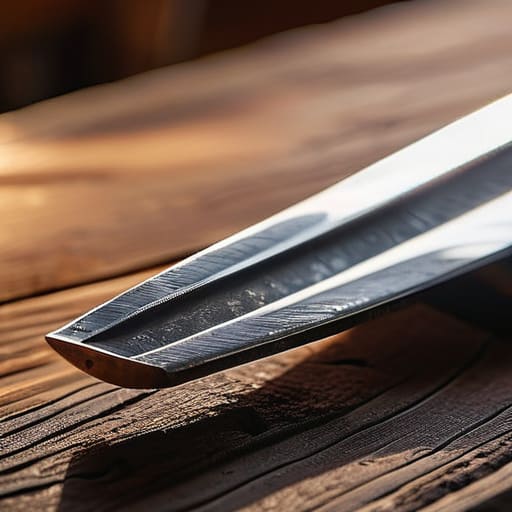
You can spend all morning honing a bevel to a mirror finish, but if you leave that chisel sitting on a damp workbench overnight, you’ve just wasted your time. Rust doesn't care how much effort you put into your sharpening; it only cares that you left the metal exposed. I’ve seen too many young lads buy a decent set of planes only to find them pitted and orange within a month because they didn't understand the basics of preventing tool rust.
The trick isn't complicated, it's just discipline. Before you put anything away, give it a quick wipe with a clean rag. I always keep a tin of paste wax or a bit of light machine oil nearby. Lubricating metal surfaces with a thin, even coat creates a barrier that the air simply can't get through. It’s a small habit, but it’s one of those essential tool longevity techniques that separates a professional from an amateur. If you treat your steel with a bit of respect, it’ll stay ready for work whenever you are.
Lubricating Metal Surfaces for a Faster Edge
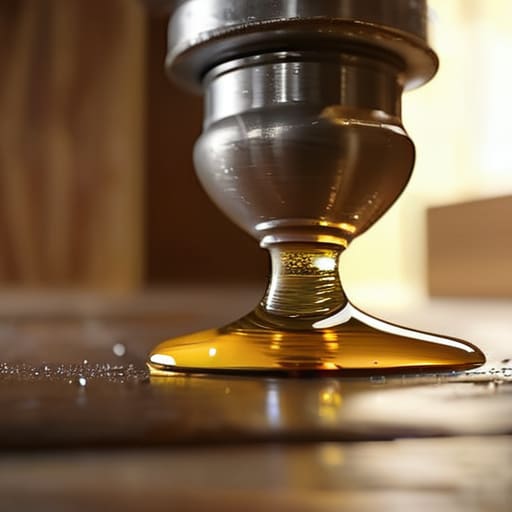
Now, once you've got the dust and grit cleared off, you need to think about the friction. I've seen too many young lads buy a high-end plane only to struggle because they're fighting the metal itself. If you aren't lubricating metal surfaces regularly, you're working twice as hard for half the result. A thin, consistent layer of light oil on the sole of a plane or the face of a chisel does more than just help with preventing tool rust; it allows the tool to glide. When the metal moves smoothly, you feel the grain of the wood rather than fighting a sticky, dry surface.
I don't go overboard with the grease—that’s just a way to make a mess of your timber. I prefer a bit of boiled linseed oil or a dedicated camellia oil on a clean rag. Wipe it on thin. You want a surface that feels silky to the touch, not tacky. It’s one of those simple tool longevity techniques that people overlook, but if you make it part of your Friday afternoon wind-down, your tools will stay ready for Monday morning without any fuss.
Five Habits to Keep Your Workshop Running Smoothly
- Check your handles for cracks or splits. A loose or splintering handle on a mallet or a chisel isn't just annoying; it's a safety risk that'll bite you when you least expect it.
- Give your wooden tool handles a quick rub with a bit of boiled linseed oil. It keeps the wood from drying out and shrinking, which is how you end up with heads wobbling on your old planes.
- Clear the sawdust out of the nooks and crannies. I’ve seen too many lads leave grit sitting in the throat of a plane, only to wonder why their work looks like it’s been chewed by a dog.
- Inspect your sharpening stones for any unevenness or "dishing." If your stone isn't flat, you aren't sharpening; you're just creating a new problem for yourself to fix later.
- Do a quick visual sweep for any signs of pitting. If you see a tiny spot of orange starting to take hold, deal with it immediately before it turns into a permanent scar on the steel.
The Work Doesn't End When the Saw Stops
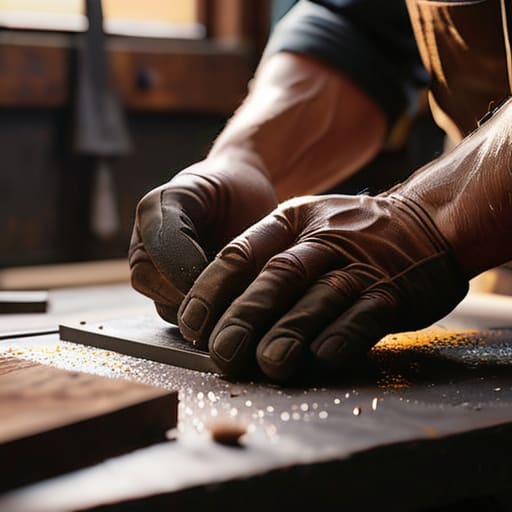
At the end of the day, keeping your tools in good nick isn't about being precious; it’s about being prepared. If you’ve spent the week fighting against rust or struggling with a blade that’s lost its bite, you’re just wasting your own energy. By taking those few minutes to wipe down the steel, apply a bit of oil, and check your edges, you’re ensuring that your gear is ready to work as hard as you are. It’s a simple cycle: clean, oil, and sharpen. Do it every week, and you’ll find that maintaining your tools becomes second nature, much like the way you learn to read a grain pattern or feel a joint seating properly.
I know there’s a temptation to just pack everything away in the dark and call it a job well done. But I’ve learned the hard way that a tool neglected is a tool that will eventually fail you right when a deadline is looming. When you treat your tools with respect, they reward you with a level of precision that no cheap electric sander or router can ever touch. Stick to the ritual, keep your edges keen, and remember that true craftsmanship starts with the tools in your hands. If you take care of them, they’ll never let you down.