Storing Solvents Safely
 Callum Reith-Sowande
I remember a lad I taught back in the college days who thought he could save a few quid by keeping his oils and spirits in a cardboard box in the corner of a damp, unheated shed. I can still smell that sour, rancid stench when he finally opened the tins—a complete waste of good material. Most people treat their workshop supplies like they’re disposable, but if you don't understand how to store finishes and solvents properly, you’re essentially throwing money straight into the skip. You don't need some fancy, climate-controlled laboratory setup to get it right; you just need a bit of common sense and a respect for the chemistry involved.
I’m not here to sell you on expensive, over-engineered storage cabinets that do nothing but take up floor space. Instead, I’m going to show you how to manage your stock using the same steady, practical approach I used for forty years on site. We’ll look at the real culprits—heat, light, and air—and I'll tell you exactly how to keep your supplies ready for work rather than letting them go to waste.
Preventing Solvent Evaporation Before Your Profit Vanishes
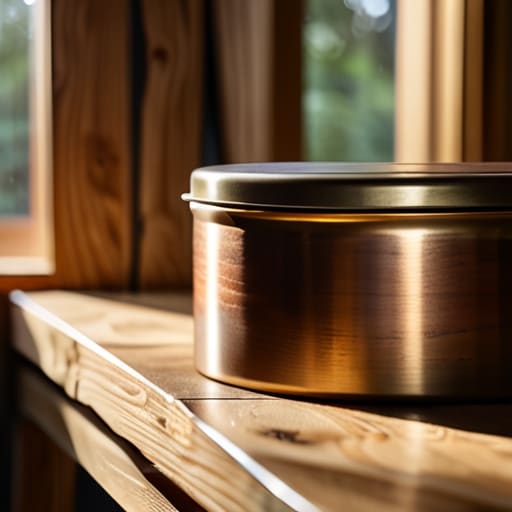
There is nothing quite as irritating as reaching for a tin of Danish oil only to find it’s turned into a thick, useless sludge because the lid wasn't seated right. When you leave a container even slightly ajar, you aren't just losing product; you're essentially throwing money straight into the air. Preventing solvent evaporation isn't just about saving a few quid on your next shop run; it's about ensuring that when you finally sit down to do a proper job, the finish actually behaves the way it’s supposed to.
I’ve seen too many young lads leave their rags and tins sitting out on a workbench overnight. That’s a recipe for disaster. Beyond the waste, you’ve got to respect the flammable liquid safety protocols that keep a workshop from turning into a bonfire. If you aren't using proper chemical storage containers with a decent seal, you're inviting trouble. I always make it a point to wipe the rim of the tin clean before I close it. If there's dried gunk in the threads, that lid won't seal, and you'll be fighting a losing battle against a dried-out batch by next Tuesday.
The Right Chemical Storage Containers for Precision Work
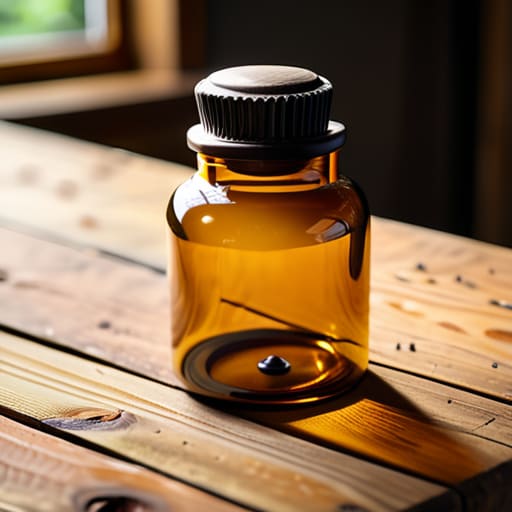
You can’t just rely on the tin the finish came in if you want it to last. Most of those factory containers are designed for a single sale, not for a man who intends to use the same stock for six months. If you’re working with high-end oils or thinners, you need to move them into proper glass or high-density polyethylene jars with a seal that actually bites. I’ve seen too many lads lose a perfectly good batch of linseed oil because they left it in a flimsy metal tin that let the air in. Once the oxygen gets a foothold, you aren't just losing volume; you're changing the chemistry of the liquid itself.
When you're dealing with the heavy stuff, like methylated spirits or turpentine, you have to take flammable liquid safety protocols seriously. I don't care how tidy your bench is; if you've got open containers sitting around, you're asking for trouble. Get yourself some dedicated chemical storage containers with airtight lids and keep them in a metal cabinet if you can. It’s not about being precious; it’s about making sure your materials stay stable and your workshop stays a safe place to work.
Five Rules to Keep Your Workshop Supplies From Going Bad
- Watch the temperature like a hawk. I’ve seen too many lads leave their oils and spirits in a shed that hits forty degrees in the summer; it thins the finish out and ruins the chemistry before you've even opened the tin.
- Keep your lids tight and your seals tighter. If you leave a solvent jar sitting half-open on a bench, you aren't just losing liquid, you're losing the very thing that makes it work, and you'll be left with nothing but a useless, thickened sludge.
- Don't go mixing your storage habits. Keep your flammable thinners well away from your natural oils; you don't want a rogue spark near a shelf full of turpentine, and you certainly don't want them cross-contaminating.
- Label everything twice if you have to. There’s no sense in grabbing a tin of methylated spirits thinking it’s mineral oil—it's a quick way to ruin a piece of expensive timber and a waste of good time.
- Check your stock before it becomes a problem. If you've got a tin of finish that's been sitting in the back of the cupboard for three years, give it a good stir and a sniff; if it looks cloudy or smells off, don't bother using it on a client's job.
Final Thoughts on Keeping Your Workshop Orderly

At the end of the day, storing your finishes and solvents isn't just about tidiness; it’s about respecting the materials you’ve paid for. If you take the time to seal your tins properly, avoid the heat of a damp garage, and use the right containers, you’re ensuring that your next project starts with a clean slate rather than a half-dried mess. I’ve seen too many young lads ruin a perfectly good piece of walnut because they were using a finish that had gone gummy from being left in a corner for three years. Treat your supplies with the same respect you give your best chisel, and they’ll reward you when it’s time to get to work.
I know it feels like extra work when you just want to get home and put your feet up, but a workshop is only as good as the care you put into it. There’s a certain satisfaction in knowing that every tin on your shelf is ready to perform exactly as it was intended. It’s about more than just efficiency; it’s about the pride of ownership. Whether you’re a hobbyist or a professional, take those few extra minutes to stow things away correctly. You’ll find that when you finally pick up your brush or your rag, you aren't fighting your materials—you're working with them.