Shop Vacuums and the Hose Diameter Problem
 Callum Reith-Sowande
I’ve spent forty years on site and another ten in the classroom, and if there’s one thing that gets my goat, it’s the way modern manufacturers try to sell you a dream wrapped in plastic. You’ll see these glossy brochures claiming a machine has "unrivaled suction power," but they never tell you if that motor will choke the moment it hits a handful of heavy oak shavings. Most people looking for advice on how to review a shop vacuum end up reading technical spec sheets that mean absolutely nothing when you're actually standing in a cloud of fine dust. A machine isn't judged by its wattage on a piece of paper; it's judged by whether it actually clears the floor without stalling out halfway through the job.
I’m not here to give you a sales pitch or a list of features you’ll never use. I want to show you how to look past the shiny casing and find the real workhorses. I’ll be sharing the exact criteria I use to separate the reliable tools from the glorified paperweights, focusing on build quality, filtration, and actual airflow. We’re going to look at these machines the way a joiner looks at a chisel: by whether they can hold their edge under pressure.
Real Wet Dry Vacuum Performance Testing Beats Marketing Lies

The box might claim a thousand watts of suction, but marketing figures are often little more than fancy ways to sell a plastic bucket. If you want the truth, you need actual wet dry vacuum performance testing in a real-world setting. I don't care what the sticker says; I want to see how it handles a pile of heavy, damp sawdust mixed with fine grit. A machine that sounds like a jet engine but can't lift a handful of wood shavings through a long hose is a waste of bench space.
To get a real sense of its worth, you have to push it. Don't just test it on a clean floor; see how it reacts when the debris gets heavy or the hose starts to kink. I always look for how the vacuum suction power measurement holds up as the canister fills. A decent machine shouldn't choke the moment it's half-full. If the motor starts to whine or lose its pull under a moderate load, you’re looking at a tool that won’t last a single season on a proper job site.
Vacuum Suction Power Measurement for the Serious Craftsman

Now, don't let those glossy spec sheets fool you. A manufacturer will slap a high wattage number on a box and call it a day, but wattage is just how much electricity the thing gulps down; it isn't how much grit it actually pulls from a floorboard crack. When I’m doing a proper vacuum suction power measurement, I don't care about the motor's draw. I care about the lift. I take a handful of heavy wood shavings and fine sawdust, spread them across a rough surface, and see if the machine actually clears the pile or just pushes it around like a broom.
If you're serious about a workshop cleaning tool evaluation, you need to see how that suction holds up when the bin starts to fill. A cheap motor might pull hard for thirty seconds, but a real piece of kit maintains its integrity. I’ve seen too many lads buy a machine that loses its lungs the moment a bit of moisture hits the filter. You want to see consistent, steady pull, not a frantic burst that dies out before you've even finished sweeping the workbench.
Five Things That Actually Matter When You're Putting a Vacuum Through Its Paces
- Stop looking at the suction numbers on the box. A high CFM rating doesn't mean a damn thing if the hose is so narrow it chokes on a handful of cedar shavings the moment you start working.
- Check the build quality of the clips and the hose connections. If the plastic feels thin and brittle, it’ll snap the first time you trip over it in a cluttered workshop, and once a seal leaks, you've lost your suction entirely.
- Test how much it struggles when the bin starts getting full. A good machine should maintain its pull even when it's half-choked with sawdust; if the motor starts sounding strained halfway through a job, it's a piece of junk.
- Look at the filter situation. I don't care how powerful it is if it spits fine dust right back into your face. If you can't clean the filter easily without a mess, you'll end up skipping it, and then your lungs pay the price.
- See if you can actually maintain it. I won't own a tool I can't fix, and that applies to vacuums too. If the motor burns out or a seal fails and the manufacturer says you have to buy a whole new unit, walk away.
Making the Right Call for Your Workshop
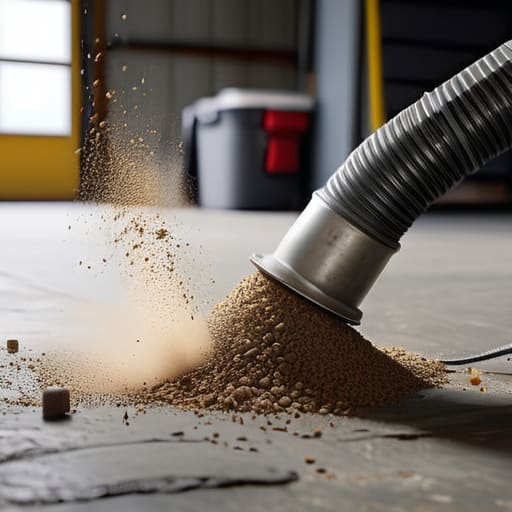
At the end of the day, reviewing a shop vacuum isn't about reading the glossy brochure or believing the big numbers printed on the box. It comes down to how the machine handles a real mess when you’re halfway through a job and your patience is wearing thin. You’ve got to look past the marketing fluff and test the actual airflow consistency, the build quality of the hose, and whether that motor actually holds its breath when the bin starts filling up. If you don't verify the suction under a real load, you're just buying a loud, expensive way to move dust from one corner of the floor to another. Don't buy a vacuum based on promises; buy it based on performance.
I’ve spent forty years in workshops, and I’ve learned that the tools which last are the ones that respect the work. A vacuum is no different. It’s a tool meant to clear the way so you can focus on the joinery, the precision, and the craft itself. If a machine is built like a disposable toy, it’ll end up in the scrap heap before you’ve even finished your first apprenticeship. Invest your money in something that has some substance and grit. When your workspace is clean and your lungs are clear, you’ll realize that a reliable tool isn't an expense—it’s the foundation of a proper shop.