Comparing Two Extractors Fairly
 Callum Reith-Sowande
I spent thirty years on site and another ten in a college workshop, and if there’s one thing I’ve learned, it’s that most manufacturers love to hide behind fancy jargon. They’ll throw a dozen technical specifications at you—CFM ratings, micron levels, and high-tech digital displays—to make you think you’re buying a piece of precision engineering. But when you're actually standing in the sawdust, none of those numbers mean a damn thing if the machine can't keep up with a planer. Learning how to review a dust extractor shouldn't require a degree in fluid dynamics; it should be about whether the tool actually works when the chips start flying.
I’m not here to sell you on the latest shiny gadget or repeat the marketing fluff you've already read on a dozen glossy websites. Instead, I’m going to show you how to look at the things that actually matter: the build quality, the ease of cleaning, and whether you can actually repair it when it inevitably gets clogged. I'll give you a straightforward way to test a machine's true capacity so you don't waste your hard-earned money on a glorified vacuum that leaves your lungs full of fine dust.
Real World Suction Power Evaluation Over Marketing Fluff
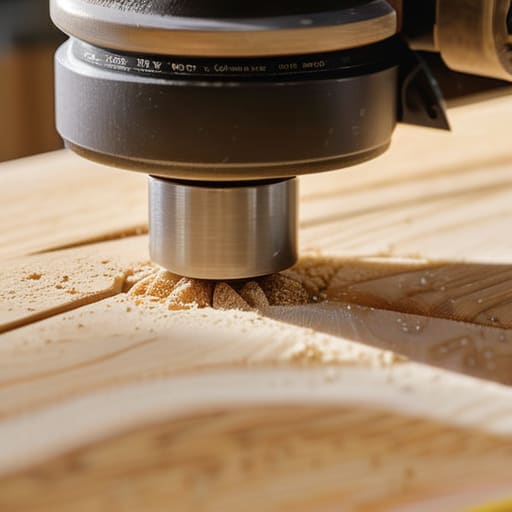
Don't get blinded by the glossy brochures. Manufacturers love to throw around big numbers like CFM airflow measurement to make a machine sound like a beast, but a high number on paper doesn't mean much if the machine can't actually pull the chips away from your workpiece. I’ve seen plenty of expensive units that boast about massive air volume, yet they leave a trail of fine dust behind every time you run a router. To see if a machine actually works, you need to perform a proper suction power evaluation at the source.
The real test isn't how much air moves through the hose in an empty room; it's how much it pulls when you're actually cutting. I always test a unit by running a handful of different materials—fine sawdust, heavy pine chips, and even some heavier shavings—to see what actually makes it into the bin. If the machine struggles with the heavy stuff, it’s going to fail you when you're mid-job. You aren't looking for a laboratory result; you're looking for a tool that keeps your bench clean while you work.
Why Cfm Airflow Measurement Is the Only Truth
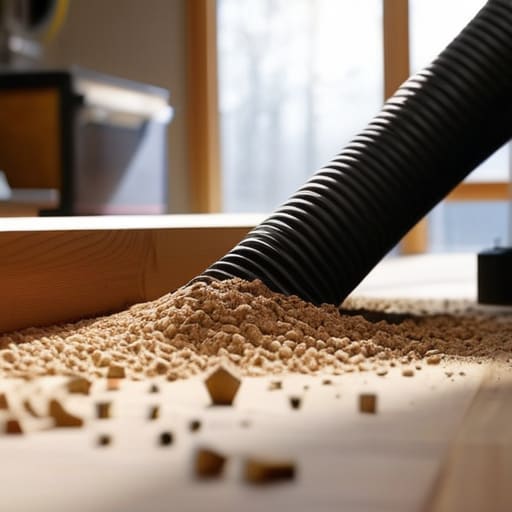
Manufacturers love to throw around big numbers on the box, but most of them are lying to you. They’ll talk about "peak suction" or some other fancy term that doesn't mean a thing once you've actually hooked up a hose. If you want the truth, you have to look at CFM airflow measurement. It’s the only way to know if the machine can actually move the volume of air needed to pull chips out of a narrow dado slot or a deep hole. A high static pressure reading is fine for a vacuum, but in a workshop, you need moving air to keep the dust from just swirling around your head.
I’ve seen too many blokes buy a machine based on a flashy brochure, only to find it chokes the moment they switch from a wide planer to a smaller chisel plane. You need to see how that airflow holds up under a load. Without a proper understanding of how the air actually flows through the system, you're just guessing. Real dust collection efficiency testing isn't about what the machine says it can do in a lab; it's about whether it can keep your workbench clear while you're actually working.
Five Things That Actually Matter When You're Testing a Machine
- Stop looking at the big numbers on the box. A machine might claim massive suction, but if the hose is too narrow or the connections are leaky, you're just moving air around without picking up a single shaving. Test it by seeing if it can actually pull a heavy chip through the entire length of the hose.
- Check how the filter behaves when it starts to get full. A decent extractor should maintain its pull even when the bag or canister is half-loaded. If the suction drops off a cliff the moment you get a handful of sawdust in it, that machine is going to be a nightmare in a real workshop.
- Listen to the motor, but don't let the noise fool you. A loud machine isn't necessarily a powerful one. I want to hear a steady, consistent hum. If it’s screaming or hunting for its rhythm, the motor is struggling, and that’s a sign of poor build quality that you won't be able to fix later.
- Look at the build of the housing and the clamps. I won't own a tool I can't maintain, and that applies to extractors too. If the plastic clips are flimsy or the filter housing is a sealed, unserviceable unit, walk away. You need to be able to get inside, clean it, and replace parts when they wear out.
- Test the fine dust management. It’s easy to suck up big chunks of pine, but the real test is how it handles the fine, flour-like dust from a sander. If that fine stuff is just blowing out of the gaps in the casing and coating your lungs, the filtration is a failure, no matter what the manual says.
Don't Get Fooled by the Glossy Brochure
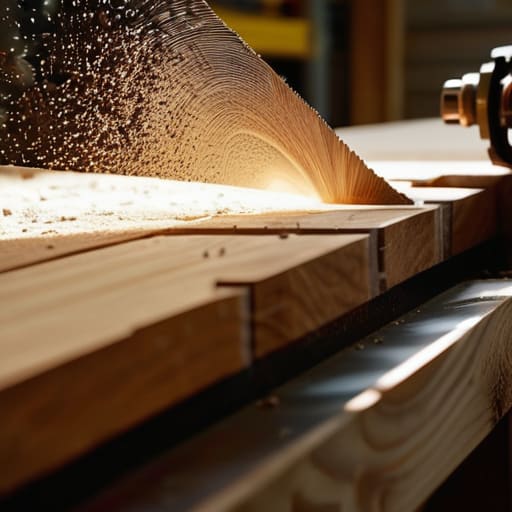
At the end of the day, reviewing a dust extractor isn't about reading a spec sheet and nodding along. It’s about whether the machine actually clears the waste from your plane iron or your saw blade while you're working. You have to look past the marketing fluff and focus on the actual airflow and how well that filter holds up when the chips start flying. If the suction drops off after ten minutes of heavy cutting, that machine is nothing more than a glorified, expensive vacuum cleaner that’s going to leave you breathing in fine dust. A proper tool should be reliable and consistent, not just impressive for the first five minutes of a demonstration.
I’ve spent my life working with tools that were built to last, and I expect the same from my extraction gear. We live in an age where everything is designed to be replaced the moment it gets a bit clogged or loses its edge, but your workshop shouldn't be part of that cycle. Invest your time in testing the real capacity of a machine, because a clean workspace is the foundation of precision work. When you find a setup that actually works, you stop fighting the mess and start focusing on the craft. Buy once, buy well, and make sure it earns its place on your bench.