Bandsaw Resaw Capacity Honestly Measured
 Callum Reith-Sowande
I’ve spent forty years watching lads walk into tool shops and get talked into buying a bandsaw based on nothing but a shiny coat of paint and a list of features that wouldn't help you cut a straight line if your life depended on it. Most of those glossy brochures and "expert" online guides will tell you how to review a bandsaw by looking at motor wattage or digital readouts, but that's a load of nonsense. A machine can have all the bells and whistles in the world, but if the frame flexes when you put a bit of pressure on it, you’ve just bought yourself a very expensive vibrating paperweight.
I’m not here to give you a lecture on spec sheets or marketing jargon. I want to show you how to look at the bones of the machine—the tensioning, the trueness of the guides, and whether or not you can actually maintain it when things go wrong. I'll teach you how to spot a tool that's built to last versus one that's designed to be tossed in a skip after three years. We're going to focus on the real-world performance that matters when you're actually standing at the bench with sawdust in your lungs.
The Truth About Bandsaw Cutting Accuracy and Real Precision
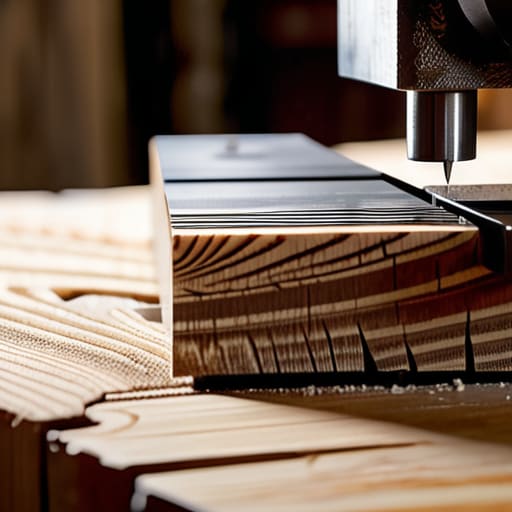
You’ll hear plenty of salesmen talk about "precision," but in my experience, most of that is just noise. When I’m looking at bandsaw cutting accuracy, I don’t care about the glossy brochure; I care about whether the blade wanders when I’m halfway through a thick piece of oak. If you’re testing a machine, don’t just take its word for it. Run a straight rip and check it with a square. If the cut looks like it’s been chewed by a dog, no amount of fancy settings will save it.
The real test comes down to how the machine handles a load. You need to watch for table stability and vibration the moment the blade bites into the wood. A decent saw should stay planted and steady. If the whole frame starts dancing or humming like a disturbed beehive, you’ve got a machine that’s going to fight you every step of the way. A shaky saw makes for a crooked cut, and a crooked cut is just wasted timber. If it can't hold its ground, it's not a tool; it's a nuisance.
Why Resaw Capacity Evaluation Matters More Than Marketing Hype
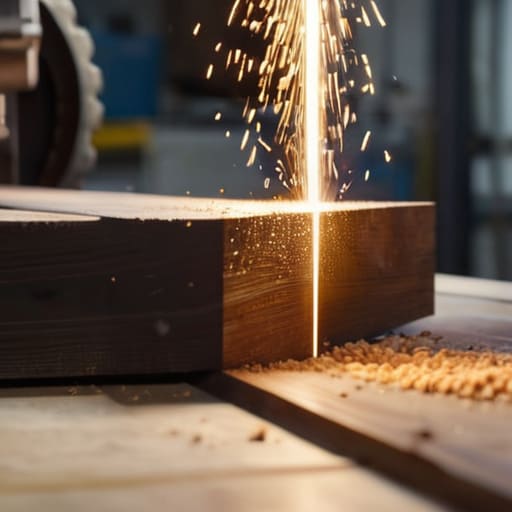
You’ll see brochures filled with glossy photos of massive slabs being sliced like butter, but don't let those numbers fool you. A manufacturer might claim a machine has a twelve-inch throat capacity, but if the frame is flimsy or the guides are rubbish, you’ll never actually get a clean cut through that depth. A proper resaw capacity evaluation isn't just about measuring the distance from the table to the blade; it’s about seeing if the machine can actually handle the load without the whole thing shuddering like a nervous apprentice.
If you try to push a thick piece of oak through a machine that lacks the guts for it, you’ll find your bandsaw blade tracking goes sideways in a heartbeat. A machine that looks big on paper but lacks the structural integrity to stay rigid is just a waste of floor space. I’ve seen too many blokes buy a saw based on a single measurement, only to find that once they actually start working, the machine lacks the stability to keep the cut straight. You need to know if the machine can maintain its composure when the work gets heavy.
Five Things to Look for Before You Open Your Wallet
- Check the table flatness with a straight edge. If the cast iron top is bowed or pitted right out of the box, you'll spend more time fighting the machine than actually cutting timber.
- Listen to the motor under load. A good saw should hum; if it starts screaming or laboring the moment you bite into a piece of oak, it’s got no heart for real work.
- Inspect the wheel construction. I don't care how shiny the paint is—if those wheels are thin, flimsy, or prone to warping, you'll never get a straight line through a thick board.
- Test the tracking stability. Set it up, run it for twenty minutes, and see if that blade stays where you put it. A saw that wanders is just a dangerous way to waste wood.
- Look at the tensioning mechanism. It should be solid and easy to use, not some flimsy little knob that slips the moment you apply any real pressure. If you can't trust the tension, you can't trust the cut.
The Bottom Line on Your Next Machine
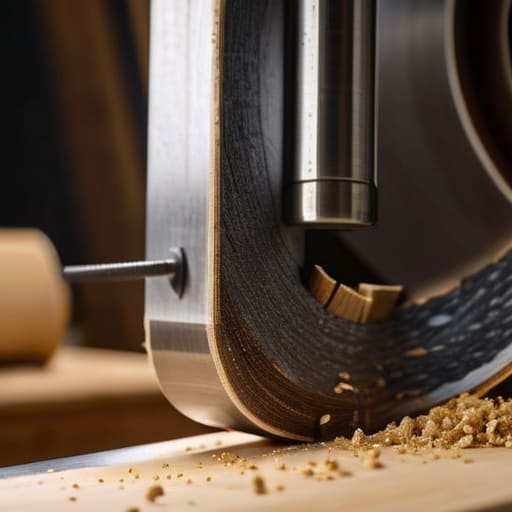
At the end of the day, reviewing a bandsaw isn't about checking off a list of shiny features or reading the glossy brochure that comes in the box. It’s about knowing whether that machine will actually hold a straight line when you’re halfway through a thick piece of oak, or if it’s just going to wander and leave you with a pile of expensive scrap. You’ve got to look past the motor specs and focus on the stiffness of the frame and the quality of the guides. If the machine can't maintain its tension and keep the blade tracking true under a load, then all that extra horsepower is nothing more than wasted electricity and noise.
I’ve spent forty years watching men buy tools based on what they think they ought to have, rather than what the work actually demands. My advice is simple: don't be seduced by the hype of a machine that's built to be replaced rather than maintained. Look for a saw that has some meat on its bones—something you can adjust, tune, and keep running for the next thirty years. A good tool is an investment in your own skill, and when you find one that actually respects your craft, you’ll realize that the right machine makes the work feel less like a struggle and more like a conversation.