Choosing a Battery Family, Not a Tool
 Callum Reith-Sowande
I remember standing in a workshop back in the nineties, watching a lad struggle with a corded jigsaw that kept tripping the breaker, while I sat there quietly working a fine bevel with a hand saw. It was cleaner, faster, and didn't require a trip to the fuse box. Nowadays, everyone thinks they can just buy their way into productivity by grabbing every shiny new cordless tool on the shelf, but they're missing the point entirely. If you don't know how to judge battery platforms before you start spending your hard-earned money, you aren't building a kit; you're just collecting expensive plastic junk that'll leave you stranded halfway through a job.
I’m not here to sell you on some marketing brochure or talk about "revolutionary" voltage increases that don't actually change the way the tool bites into the timber. I want to show you how to look past the flashy casing and the LED lights to see what actually matters: compatibility, longevity, and whether that ecosystem will actually support your work or just drain your bank account. I’ll give you the straight truth on what makes a platform worth your time, based on forty years of seeing what lasts and what's just disposable rubbish.
Prioritizing Long Term Power Tool Platform Longevity
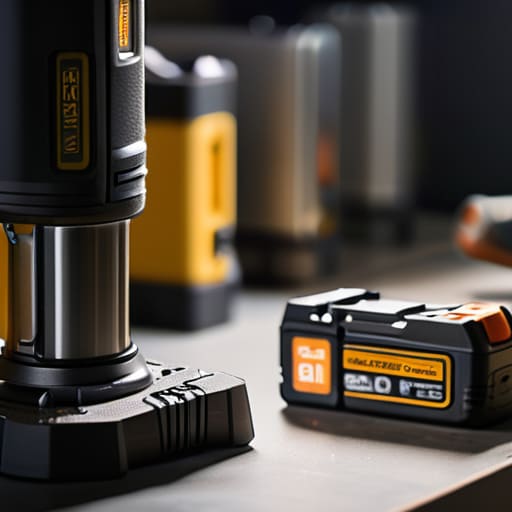
You can’t just look at what a tool does today; you have to look at what the manufacturer is going to do to it in five years. I’ve seen too many lads buy a cheap kit only to find out the company has shifted their voltage and capacity standards halfway through the decade, leaving them with a drawer full of expensive paperweights. If you aren't investing in a brand that shows a commitment to their existing line, you’re essentially buying a consumable, not a tool.
A real manufacturer builds a manufacturer tool ecosystem that grows with you. You want to know that if you buy a drill now, you can find a matching saw or a grinder three years down the line that uses the exact same juice. It’s about more than just convenience; it’s about ensuring your battery ecosystem compatibility remains intact as you add more specialized gear to your kit. If the brand starts playing games with their connection points or stops making decent chargers, walk away. I don't buy anything I can't rely on for the long haul, and your power tools should be no different.
The Trap of Poor Battery Charger Availability
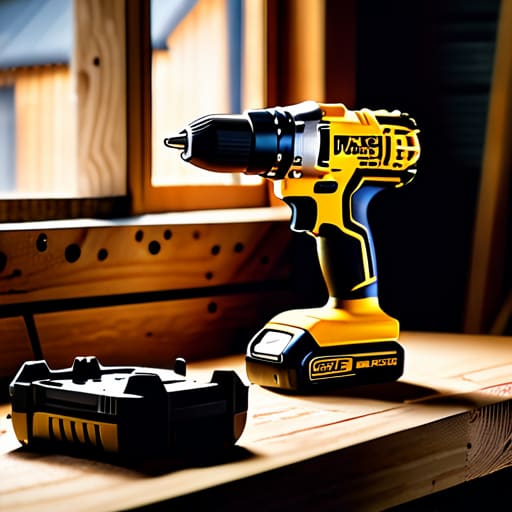
You’ll see it all the time in the shops: a brilliant, lightweight drill at a price that seems too good to be true. You buy it, you get home, and then you realize you’re stuck. If that manufacturer doesn't have a robust manufacturer tool ecosystem, you’ve just bought a very expensive paperweight. A tool is only as useful as your ability to keep it running, and that starts with how easily you can juice it up.
I’ve seen lads get caught out by brands that treat their chargers like an afterthought. They might have decent enough interchangeable battery technology across a few models, but if you can’t find a replacement charger at the local trade counter when yours packs up, you’re dead in the water. It doesn't matter how much torque that motor has if you're sitting on your hands waiting three weeks for a delivery. You need to look past the tool itself and check the battery charger availability before you part with your hard-earned cash. If the charger is hard to find, the platform is a dead end.
Five Ways to Tell if a Battery System is Built to Last or Built to Fail
- Look at the battery casing, not just the capacity. If the plastic feels thin and brittle, like it’ll crack the first time it takes a tumble off a workbench, walk away. A proper tool platform is built for the site, and that means the batteries need to be rugged enough to handle being knocked around.
- Check the availability of individual cells and replacement parts. I won't own a tool I can't repair, and that applies to your cordless kit too. If you can't find a way to service the unit or if the manufacturer forces you to bin the whole tool when a single component fails, you're buying a consumable, not a tool.
- Watch the charger's intelligence. A decent platform should have chargers that actually manage the heat and the cycle. If a charger just pushes raw current into a cell without any sense of what it's doing, you'll be replacing those expensive batteries far sooner than you ought to.
- Test the weight-to-power ratio. It’s easy to make a massive, heavy battery that holds a charge, but if it makes your drill feel like a sledgehammer, you’ll be exhausted before the job is half done. You want a system that offers sustained, balanced power without turning your forearm into lead.
- Investigate the "ecosystem" bloat. Some companies try to lock you in by making every single gadget require a proprietary battery that costs a fortune. A good platform should be versatile—giving you enough tools to be useful, but not so many that you're drowning in plastic and lithium just to keep up.
Making the Right Call
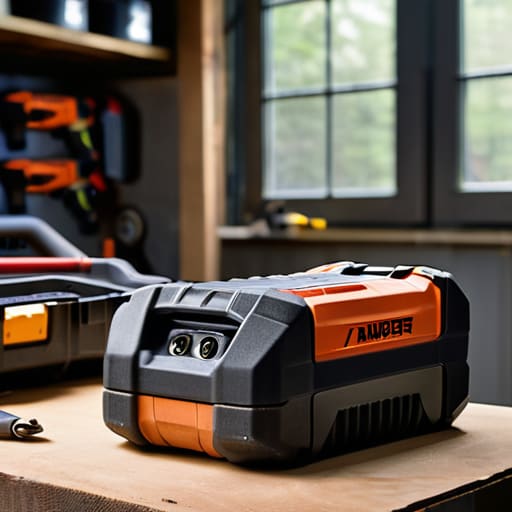
At the end of the day, choosing a battery platform isn't about chasing the newest, shiniest kit on the showroom floor. It’s about looking past the marketing fluff and asking yourself if that system will still be supporting you five or ten years from now. You’ve got to weigh the availability of chargers, the sheer range of tools in the ecosystem, and most importantly, whether the manufacturer treats their gear like professional equipment or just another disposable commodity. If you can't find a spare battery or a replacement charger when the job is halfway done, you haven't bought a tool; you've bought a future headache.
I’ve spent my life working with tools that were built to last, things you could fix with a bit of patience and a steady hand. While you can't exactly file down a lithium-ion cell, you can certainly choose a system that respects your time and your craft. Don't let the salesman rush you into a platform that's designed to be obsolete by next season. Invest in a system that has some backbone, and you'll find that once you've got the right power behind you, you can focus on the real work—the joinery, the precision, and the pride of a job well done.