Three Stones and Nothing Else
 Callum Reith-Sowande
I spent thirty years on site watching young lads buy these fancy, multi-stage diamond systems that cost more than a decent cordless drill, only to end up with an edge that still tears through timber like a blunt spoon. They think a high price tag solves everything, but they're just being sold a bit of marketing fluff. If you're staring at a catalogue trying to figure out how to choose sharpening stones based on nothing but brand names and shiny packaging, you're doing it wrong. You don't need a laboratory setup; you just need to understand the grit and the physics behind what makes steel bite.
I’m not here to sell you a subscription or a miracle gadget. I’m going to tell you exactly what I taught my apprentices for a decade: how to pick the right stones to get a tool from a rusted mess to a mirror finish without wasting your time or your money. We’ll cut through the nonsense and focus on the only thing that matters—getting a razor edge that stays sharp while you work. I'll show you how to select the tools that actually last, because if you can't maintain it, you shouldn't own it.
Mastering the Sharpening Stone Grit Guide
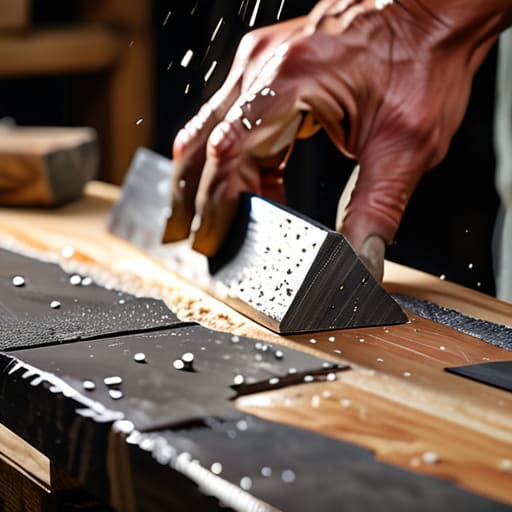
You don't need a laboratory to understand a sharpening stone grit guide; you just need to understand what you're trying to fix. When I was teaching apprentices, I saw too many lads jump straight to the fine stones because they looked cleaner. That’s a mistake. If your chisel has a nick or a rolled edge from a hard knot in an oak board, a fine stone won't do a lick of good. You need the coarse grits to actually reshape the metal. Think of it like sanding a piece of timber—you wouldn't try to finish a rough-sawn plank with 400-grit sandpaper and expect it to be smooth.
Once you've got the shape right, you move down the line. This is where the grit level comparison actually matters in practice. A medium stone is your workhorse for daily maintenance, but if you want that edge to truly bite into the wood without any resistance, you have to finish it on something much finer. It’s a progression, not a single step. Don't rush the process just to get back to the bench; if you skip the middle stages, you'll find yourself fighting the tool all day.
Abrasive Material Types Beyond the Cheap Plastic Junk
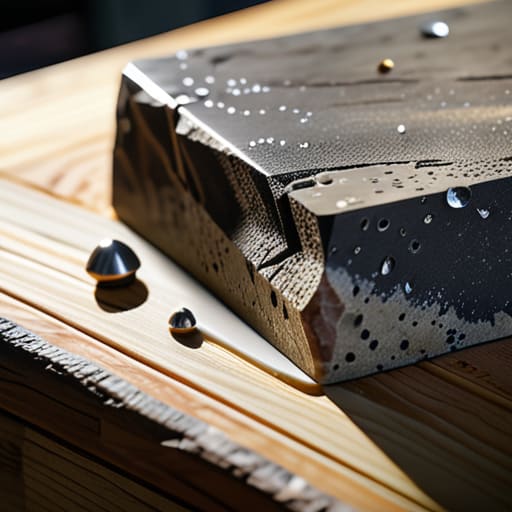
You’ll see all sorts of stones in the shops these days, most of them wrapped in fancy packaging but made of nothing more than compressed dust and hope. I’ve seen too many lads buy a cheap, synthetic block only to find it flattens out in a week, leaving them with a bowed surface that’s useless for anything more serious than hacking at a piece of pine. If you’re looking into different abrasive material types, you need to understand that what you’re buying is an investment in your ability to actually hold an edge.
Natural stones are the old way, and there's still a lot to be said for them if you have the patience to find a good one. They have a consistency you just don't get with the mass-produced stuff. Then you have the modern synthetics—water stones, oil stones, and diamond plates. Personally, I lean toward diamond plates for the heavy lifting because they stay flat, which is half the battle. You don't need a mountain of professional knife sharpening tools to get a decent edge, but you do need something that won't crumble the moment you put some real pressure on it.
Five things to look for before you open your wallet
- Don't go chasing the highest grit number you can find. A stone that's too fine won't do anything for a nicked edge, and a stone that's too coarse will leave you sanding for hours. You need a range that covers the heavy lifting and the final polish, nothing more.
- Check the flatness of the stone before you even think about using it. If a stone isn't flat, you aren't sharpening a tool; you're just creating a new, crooked bevel. I've spent more time flattening stones than I have cutting timber, and I'd rather you didn't.
- Size matters more than the shop talk suggests. A tiny little stone is fine for a pocket knife, but if you're trying to get a proper edge on a wide paring chisel or a plane iron, you'll find yourself running off the edge before you've even made a dent.
- Consider how much maintenance you're actually prepared to do. Natural stones are lovely, but they're temperamental. Synthetic stones are more forgiving, but they'll dish out and need flattening just as often. Pick the one that fits the way you actually work, not the way you wish you worked.
- Avoid the "all-in-one" gimmicks. You'll see those cheap, multi-grit plastic blocks in the big box stores. They're rubbish. They're too soft, they don't hold their shape, and they'll leave your edge feeling like it's been dragged through gravel. Buy proper, individual stones.
Getting it right for the long haul
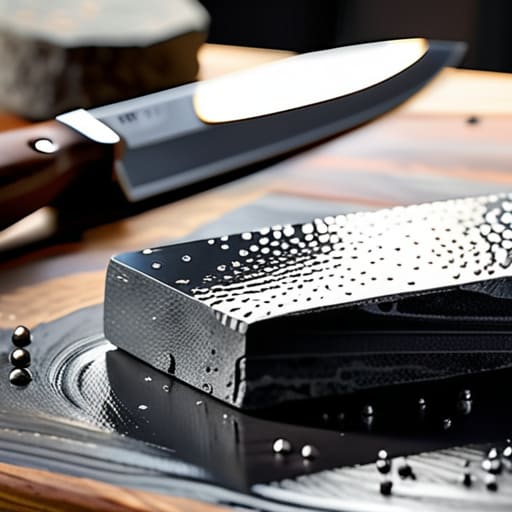
At the end of the day, choosing a stone isn't about buying the most expensive kit in the catalogue; it's about understanding what your steel needs. You've looked at the grits, you've weighed up the difference between a reliable natural stone and a decent synthetic, and you've seen through the marketing fluff that tries to sell you disposable nonsense. Remember, the goal is simple: you want a progression that takes a nicked, battered edge and turns it into something that slices through grain like butter. Don't get distracted by fancy gadgets. Just focus on having a solid coarse stone for the heavy lifting and a fine stone that actually holds its plane to bring out that mirror polish. If you get the fundamentals of your abrasive material and grit sequence right, you won't be hunting for new tools every six months.
I spent forty years on site and another ten in the classroom, and if there is one thing I learned, it's that your tools are an extension of your own hands. When you spend the time to select the right stone and master the sharpening process, you aren't just maintaining equipment; you are investing in your own craft. There is a quiet, steady satisfaction in pulling a chisel from a sharpening jig and feeling that edge catch the light. It changes how you work. It stops being a struggle against the material and starts being a conversation with it. So, stop rushing. Pick your stones, sharpen your steel, and start actually working.