A Review That Says Who It Is for
 Callum Reith-Sowande
I spent thirty years on site and another ten in a college workshop, and if there is one thing that gets my blood boiling, it is the sheer amount of rubbish being peddled online these days. You scroll through a website and see these polished, shiny presentations that look more like a sales brochure than an honest assessment. They use all sorts of fancy, hollow language to hide the fact that they’ve never actually put the tool under a real load. If you want to learn how to write a tool review people trust, you have to stop acting like a salesman and start acting like a craftsman. People don't need more marketing fluff; they need to know if a chisel will hold an edge or if a saw will wander when the grain gets tough.
I am not here to give you a lecture on SEO or digital marketing metrics. My promise to you is much simpler: I am going to show you how to write from a place of genuine experience. We are going to talk about testing the limits, finding the flaws, and telling the truth even when it's uncomfortable. If you want to build a reputation that lasts longer than a cheap, disposable drill, you need to provide unfiltered honesty.
Establishing Reviewer Credibility Through Rigorous Product Testing Methodol
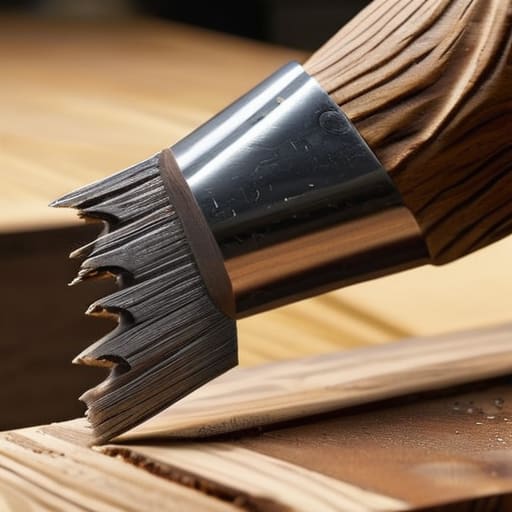
If you want to build any sort of reputation, you can't just take a tool out of the box, turn it on, and call it a day. That isn't a review; it's an advert. A proper product testing methodology means putting that tool through the same grit and grime it’ll face on a real job site. For me, that means using a chisel until the edge rolls, or driving a plane through knotty oak until the blade screams. You have to find the breaking point. If you aren't identifying tool limitations—showing exactly where the steel fails or where the motor bogs down—then you aren't doing your readers any favours.
People often get tripped up trying to balance objective vs subjective reviews. Don't sweat it too much. You give them the hard facts—the weight, the dimensions, the battery life—but don't be afraid to tell them how it feels in the hand. A tool might meet every spec on the paper, but if the grip makes your palm ache after twenty minutes, that's a fact worth sharing. That’s how you actually earn respect.
The Brutal Truth of Identifying Tool Limitations
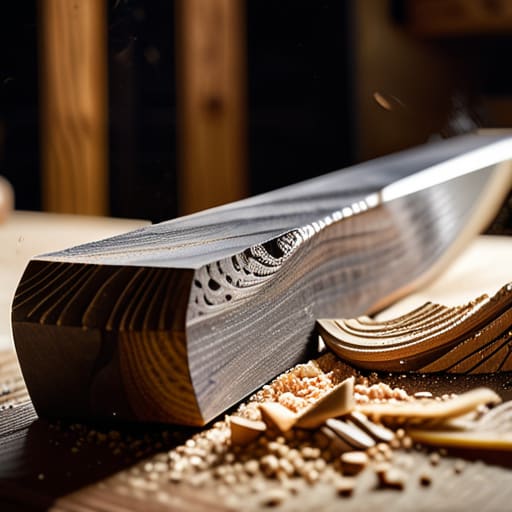
If you spend your whole time talking about how much a tool shines, you aren't reviewing it; you're selling it. I’ve spent forty years on site, and I can tell you that a tool that works perfectly in a showroom often falls apart when it hits real seasoned oak or a bit of grit. To truly master identifying tool limitations, you have to push the gear until it fails. Don't just tell me the chisel holds an edge; tell me how many passes it takes before it goes blunt, or if the handle feels like it'll snap under real pressure.
People get caught up in the marketing fluff, but a real user experience evaluation requires you to be honest about the flaws. If a plane is precise but the adjustment mechanism is finicky and prone to slipping, that’s the most important thing a reader needs to know. You aren't there to be a cheerleader for the manufacturer. You are there to tell the person holding the tool whether it’s going to be a reliable partner or a piece of expensive scrap metal by the end of the week.
Five Rules for Keeping Your Word with the Reader
- Show your work, don't just state your conclusion. If you say a chisel holds an edge, I don't want to hear "it's great"; I want to know how many knots of oak it went through before you had to reach for the stone.
- Stop being afraid of the manufacturer. A review isn't a press release, and you aren't their unpaid marketing department. If a handle feels flimsy or a bit is prone to wandering, say it plain.
- Talk about the long game. Anyone can make a tool look good in a shiny unboxing video, but a real reviewer considers how that tool will behave after six months of heavy use and a few accidental drops on the workshop floor.
- Detail the "feel" of the tool. You can't measure the soul of a good plane with a digital caliper. Tell us how the weight sits in the hand and whether the tool fights you or works with you when you're halfway through a long rip.
- Admit when you're out of your depth. If you're reviewing a specialized mortise chisel but you've only ever done light joinery, tell the reader. Honesty about your own limits builds more trust than pretending you're a master of every craft.
The Bottom Line
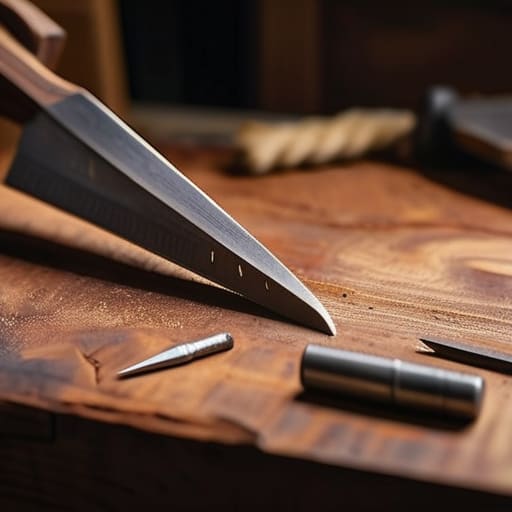
At the end of the day, writing a review isn't about checking boxes on a marketing spreadsheet or repeating what the manufacturer's brochure says. It’s about the work. You’ve got to show your methodology, admit when a tool fails under real pressure, and strip away the fluff. If you can't tell a reader exactly where a chisel's edge fails or why a specific plane handle feels wrong in the hand, you aren't reviewing—you're just rebranding. Trust is built in the details, specifically in the moments where you call out the flaws that a salesperson would rather you ignore.
I spent forty years on site and another ten in the classroom, and if there is one thing I learned, it is that people don't want perfection; they want the truth. They want to know if a tool is worth their hard-earned money or if it’s just more disposable rubbish destined for a landfill. Don't be afraid to be the person who stands apart from the crowd of hype-men. If you write with honesty and a bit of grit, you won't just be another voice in the noise; you'll be the person people turn to when the real work begins.