Breaking Down a Sheet on Your Own
 Callum Reith-Sowande
I remember a Tuesday morning back in '94, standing in a cramped hallway with a single sheet of 18mm MDF and a back that felt like it was being split by a wedge. I had no mate, no lift, and no business being there, but I had to get that board up the stairs. Most blokes will tell you that you need a second pair of hands or a fancy vacuum lifter to get the job done safely, but that's a load of rubbish. The truth is, learning how to handle sheet material alone isn't about brute strength; it’s about leverage and technique. If you try to muscle it, you’ll end up with a ruined board or a ruined spine, and neither is worth the time.
In this guide, I’m going to show you how to work smarter, not harder. I’ll walk you through the proper ways to find your grip, how to use your body weight to control the load, and the few simple tools that make a world of difference when you're on your own. No fancy gadgets or expensive machinery here—just straight-forward, practical methods that I’ve used on-site for forty years.
Guide Overview
Tools & Supplies
- Circular saw or Table saw for cutting
- Clamps or Cleats for stabilization
- Suction cup lifter for heavy sheets
- Sheet material (Plywood, MDF, or OSB)
- Work surface or Sawhorses
Step-by-Step Instructions
- 1. First things first, you need to get your hands on a proper pair of suction lifters. I know, I know—it feels like a bit of a cheat, but trying to pinch the edge of a fresh sheet of MDF with just your fingers is a recipe for a bruised thumb and a dropped board. If you’re working solo, these little vacuum cups are the only way to get a solid grip without fighting the material itself.
- 2. Before you even think about lifting, look at your workspace and clear the path. I’ve seen too many young lads try to muscle a sheet of plywood through a narrow doorway only to realize they haven't got the clearance to pivot. Move your sawhorses, clear the offcuts, and make sure there’s a straight line from where that sheet sits to where it’s going. You don't want to be dancing a jig around a pile of sawdust while holding a heavy board.
- 3. When you're ready to lift, don't go reaching for the middle. You want to approach the sheet from the side and get your suction cups positioned towards the outer edges. Keep your back straight—I don't care how strong you think you are, your spine isn't a lever. Bend at the knees, get a firm hold, and lift with your legs. It’s about controlled movement, not brute force.
- 4. Once the sheet is off the rack, keep it as close to your body as you can manage. If you hold a large sheet out at arm's length, you're essentially turning yourself into a human crane, and that's where you lose your balance. Keep the weight centered against your torso so you can actually see where your feet are going.
- 5. If you're moving the material across a room, don't try to carry it flat like a tray. That's how you catch a gust of wind or a sudden draft that sends the board spinning. Instead, tilt it slightly on its edge. This gives you much better visibility of the floor in front of you and makes the whole load feel a lot more stable.
- 6. When you reach your saw horses or your workbench, don't just slam it down. Set it down slowly and deliberately. If you're working with something delicate like veneered ply, I usually lay a scrap piece of thin softwood on the bench first. It acts as a cushion and prevents the edge of your sheet from chipping on impact.
- 7. Finally, once the sheet is where it needs to be, take a second to check your marks. I’ve learned the hard way that if you rush the move, you’ll likely end up with a sheet that’s sitting slightly crooked on your supports. A steady hand and a patient approach will save you from having to manhandle that same piece of timber a second time.
Smart Sheet Material Lifting Techniques for the Solitary Craftsman
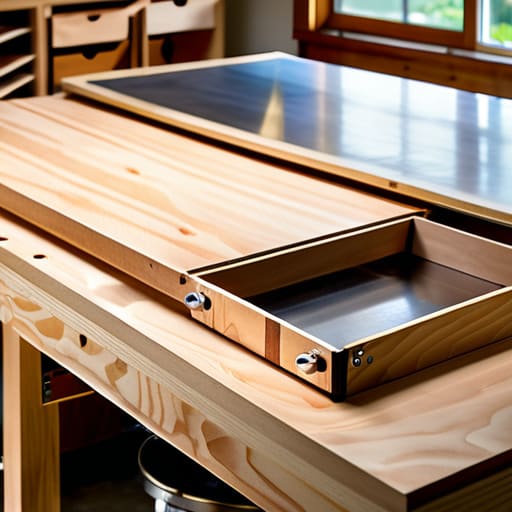
Now, I’ve seen too many lads try to muscle through a job with nothing but brute strength, and that’s a quick way to end up with a slipped disc or a ruined workpiece. If you’re working by yourself, you need to stop thinking like a weightlifter and start thinking like a craftsman. A bit of clever workshop layout for solo woodworkers goes a long way; I always make sure my primary cutting station is clear of any clutter that might snag a corner. If you can’t move the sheet easily, don't force it—reorganize the space so the material can slide rather than lift.
I’m also a firm believer in using the right gear to do the heavy lifting for you. You don't need a massive industrial setup, but investing in a few decent DIY sheet goods support tools, like simple sawhorses or even makeshift rollers, can save your back and your sanity. It’s about control. When you use supports to take the weight, you aren't just preventing sheet material damage from being dropped; you’re gaining the stability needed to make a precise cut. Precision requires a steady hand, and you can't be steady if you're fighting gravity.
Essential Diy Sheet Goods Support Tools to Replace Heavy Machinery
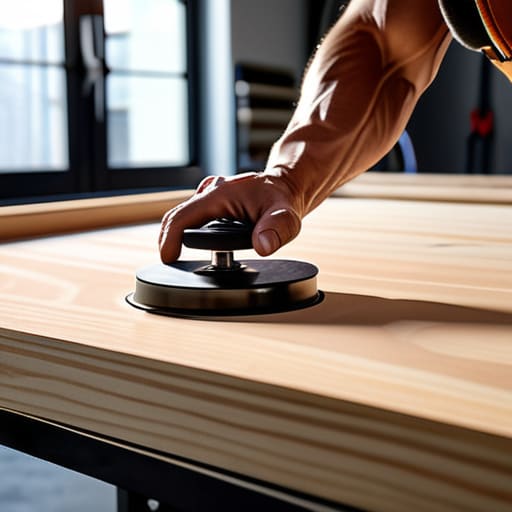
You don't need a massive industrial vacuum lift to get the job done right; you just need a bit of foresight and a few clever bits of kit. I’ve always found that a pair of sturdy, padded suction cup lifters can change your life when you're working in a tight space. They take the strain off your fingers and give you a solid grip, which is vital for safe plywood handling solo. If you can’t afford the fancy stuff, even a simple set of roller stands can act as your extra set of hands, letting you glide a sheet onto your bench rather than wrestling it into place.
Beyond the lifting, think about your workshop layout for solo woodworkers. I never start a job without checking my support points. A couple of well-placed sawhorses or even some improvised trestles can prevent that dreaded sag that leads to snapped corners. If you invest in a few decent sheet material cutting aids, like a dedicated track saw setup or even just some sacrificial spoil boards, you’re doing more than just making the work easier—you're preventing sheet material damage before it even starts. It’s about working smarter, not harder.
Five ways to keep your back straight and your cuts true
- Stop fighting the weight by trying to lift from the middle; always get your hands under the edges to find the balance point before you even think about moving.
- Use a simple pair of suction cups if you’re working with smooth melamine or glass, because fighting a slippery surface is a quick way to end up with a smashed sheet and a sore back.
- Never attempt to carry a sheet through a doorway while holding it vertically; turn it sideways so you can see where your feet are going, or you'll find yourself pinned against the frame.
- Mark your cut lines on both sides of the sheet before you move it to the saw, saving you from having to shimmy and reposition a heavy board halfway through the job.
- Invest in a decent set of screw jacks or even just some sturdy wooden wedges to prop up one end of a sheet, giving you the leverage you need to work without needing a second pair of hands to hold it steady.
A Final Word on Working Solo
At the end of the day, managing sheet goods on your own isn't about finding a machine to do the heavy lifting for you; it’s about working smarter with what you’ve got. We’ve talked about getting your grip right, using simple supports to take the strain, and moving with a bit of purpose rather than brute force. If you respect the weight of the material and use the right leverage, you won't find yourself fighting the timber all afternoon. It’s really just a matter of steady technique and having the right setup ready before you even lift the first edge.
I’ve spent forty years on sites and in classrooms, and I’ve seen plenty of lads try to manhandle a sheet of ply just to prove they can. They usually end up with a sore back or a ruined workpiece. Don't be one of them. There is a quiet sort of pride in being able to handle a job solo, precisely and without the noise of a massive lifting rig. It’s about mastering your environment so the tools and the materials work for you, not against you. Keep your workspace tidy, keep your movements controlled, and you’ll find that the solitary craftsman can be just as efficient as any full crew.