Jigsaw Blade Choice Decides Everything
 Callum Reith-Sowande
I’ve spent forty years on site and another ten in the classroom, and if there’s one thing that gets my goat, it’s the way modern tool reviews focus on nothing but flashy specs and motor wattage. You’ll see some lad on the internet telling you how to review a jigsaw based on how many lumens the built-in light has or how many buttons are on the handle, but that’s a load of rubbish. A tool isn't a gadget; it's an extension of your hand. If you're looking for a way to judge a machine, stop reading about theoretical power and start looking at how it actually behaves when the blade meets a stubborn piece of oak.
I’m not here to sell you on the latest plastic toy that'll end up in a landfill by next Christmas. Instead, I’m going to show you how to look for the things that actually matter: the stability of the base, the way it handles a corner, and whether the motor actually bites or just screams at you. My promise is simple. I’ll give you a way to test these tools that relies on real-world grit, not a spec sheet. We're going to find out which jigsaws are worth your hard-earned money and which ones are just expensive clutter.
Testing Jigsaw Cutting Precision Over Raw Wattage
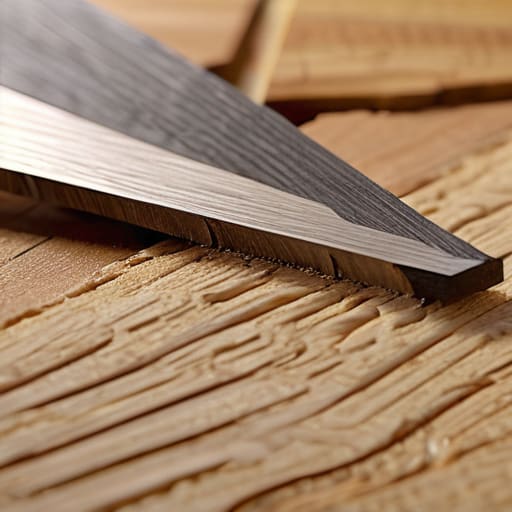
When you’re looking at a spec sheet, the marketing boys will try to dazzle you with high wattage. They want you to believe that a bigger motor automatically means a better cut, but that’s a fallacy. In my experience, a high-wattage motor can actually work against you if the machine lacks stability. To get a proper sense of jigsaw cutting precision, you have to ignore the numbers on the box and look at how the tool handles a controlled line. I always test by cutting a series of tight curves in seasoned oak; if the tool wanders or the baseplate flexes under pressure, all those extra watts are just wasted energy and vibration.
You also need to pay attention to how the machine manages its motion. I make it a point to test the orbital action vs straight stroke settings on different thicknesses of timber. A tool that relies solely on aggressive orbital movement might tear through material quickly, but it’ll leave a finish that looks like it was chewed by a dog. If you want a clean edge that doesn't require an hour of sanding, you need a saw that can maintain a steady, controlled stroke without the motor bogging down.
Why Woodworking Tool Review Criteria Must Prioritize Control
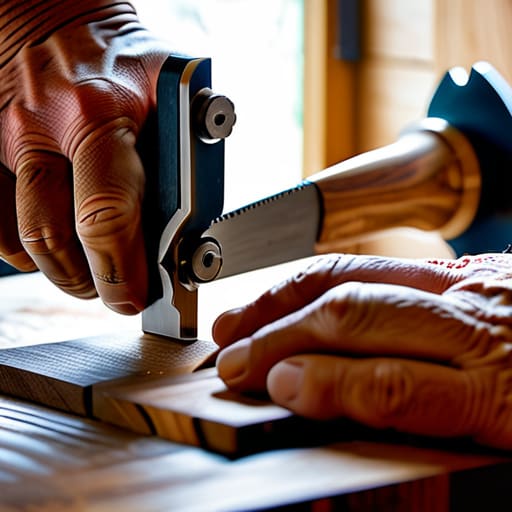
Most people look at a box and see a number next to a 'W' symbol, thinking more watts means a better job. They’re wrong. When I was teaching apprentices, I’d tell them that a tool that runs wild is just a way to ruin expensive timber faster. Real woodworking tool review criteria shouldn't be about how much electricity a machine gulps down, but about how much authority you have over the cut. If you can’t feel the line through the handle, you aren't cutting; you're just fighting the machine.
You have to look at how the tool handles the transition between different grain directions. A lot of these modern saws have a bit too much orbital action vs straight stroke capability, which is fine for roughing out some scrap, but it's useless when you're trying to follow a delicate curve. If the machine wants to jump out of the kerf the moment you apply pressure, it’s a liability, not a tool. I don't care how much power it has if I can't command the blade to stay exactly where I've marked it.
Five Things to Look for Before You Put Your Money Down
- Don't just look at the sticker on the box telling you how many watts it pulls. A high wattage doesn't mean a thing if the motor vibrates so much you can't feel the cut. I want to see if the tool stays steady in the hand, not how much electricity it gulps.
- Check the shoe, not just the blade. If that base plate is thin, flimsy tin, it's going to wander the moment you apply any pressure. A proper jigsaw needs a heavy, flat base that holds its line when you're working through a knot.
- Test the trigger response. I’ve seen too many modern tools that feel like they've got a mind of their own, either jerking at the start or being impossible to throttle down. If you can't control the speed with your finger, you'll never get a clean finish.
- Look at the build quality of the clamping mechanism. If the mechanism that holds the blade is loose or uses cheap plastic that’ll crack in a year, walk away. If you can't maintain the tool, you don't own it; you're just borrowing it from the landfill.
- See how it handles a straight edge. A jigsaw is meant for curves, but if it can't follow a guide without jumping or skidding, it's useless for the straight cuts that actually matter in joinery. If it can't play nice with a fence, it's a toy, not a tool.
The Bottom Line on Jigsaws
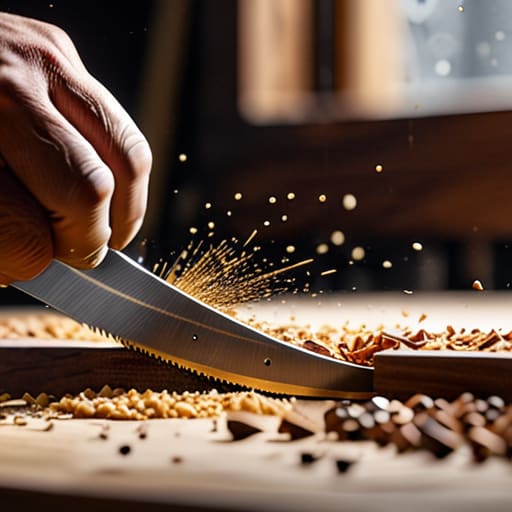
At the end of the day, reviewing a jigsaw isn't about reading a spec sheet or counting how many watts the motor pulls. If you spend your whole time chasing high numbers, you'll end up with a heavy, vibrating beast that's impossible to guide through a delicate curve. You have to look at how the tool actually behaves when it meets the grain. Does it wander? Does it kick? Does the blade deflect the moment you apply a bit of pressure? A proper review focuses on actual control and precision, because a tool that lacks stability is nothing more than a glorified piece of scrap metal. If you can't trust the machine to follow your line, the wattage won't save you.
I know there is a lot of pressure these days to just buy the biggest, loudest, most expensive kit on the shelf. But I’ve spent forty years seeing that the best craftsmen aren't the ones with the most power; they are the ones with the most discipline. When you're testing a tool, test it for how it feels in your hands and how it respects the timber. Don't let a shiny marketing campaign talk you out of your common sense. Buy a tool that works with you, not against you, and remember that true skill comes from the hand, not the motor.