Keeping Track of Hardware
 Callum Reith-Sowande
I spent forty years on site and another ten in the classroom, and if there is one thing that drives me mad, it’s watching a young apprentice waste twenty minutes digging through a chaotic toolbox just to find a single brass butt hinge. You don't need some fancy, multi-tiered plastic gadgetry or a subscription to a "productivity app" to fix your mess. Most of those expensive storage systems are just overpriced junk designed to break the moment you put a real load on them. Learning how to organise hardware and hinges isn't about buying more clutter; it’s about creating a system where you can reach for a screw and actually find the right one on the first try.
I’m not here to sell you on any high-tech nonsense or complicated filing systems that require a manual to understand. I’m going to show you how I set up my own workbench using simple, durable methods that actually stand up to daily use. We’ll focus on practical, sturdy solutions that keep your small bits from getting lost and your larger hinges from rattling around like loose teeth. I’ll give you the straight truth on how to sort your stock so you can stop fumbling and get back to the real work.
Mastering Small Parts Organizer Bins for Precision Work
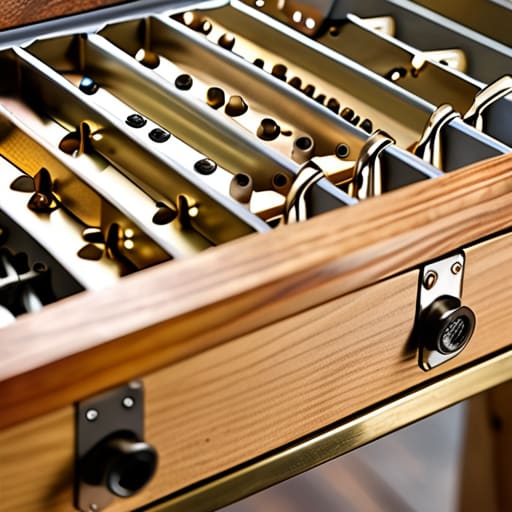
If you’re still keeping your brass hinges and assorted screws in a single, jumbled bucket, you aren't working; you're just searching. I’ve seen too many lads waste twenty minutes looking for a specific gauge of screw when they should have been at the bench. Invest in some proper small parts organizer bins—the kind with clear lids and sturdy dividers. You want to see exactly what’s inside without having to pry a lid off and disturb the rest of your stock.
When you’re setting these up, don't just toss things in. I’ve found that grouping by function is the only way to stay sane. Keep your wood screws in one section, your machine screws in another, and your specialty fasteners tucked away separately. Once they are in, start labeling hardware containers with a simple grease pencil or a neat sticker. It might feel like extra work now, but it saves your sanity when you're halfway through a joint and realize you're short on the exact screw you need. Precision work requires a tidy environment, or you'll never find your rhythm.
Labeling Hardware Containers to Eliminate Wasted Motion
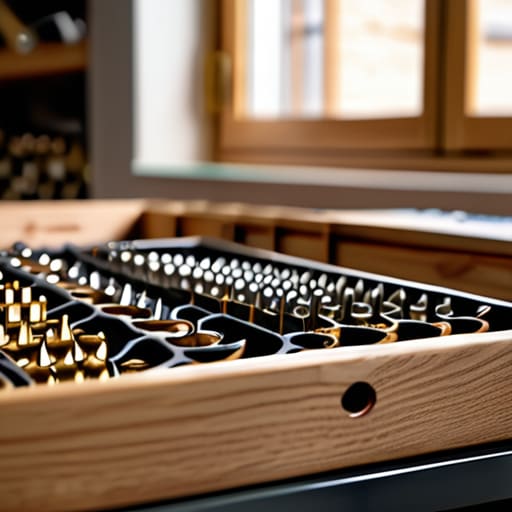
You can have all the small parts organizer bins in the world, but if you can't tell what's inside them without opening every single lid, you've just built yourself a more expensive way to waste time. I spent years watching apprentices wander around a workshop, staring at rows of identical plastic drawers like they were looking for a lost soul. It’s a mindless sort of movement that breaks your rhythm. When I’m in the middle of a fine joinery task, I don't want to break my concentration to play a guessing game with a brass hinge or a specific gauge of screw.
The trick to proper labeling hardware containers isn't about making things look pretty for a magazine; it’s about eliminating wasted motion. I use a simple, handwritten method on the side of the bin—not just the top—so I can see the contents even when the drawer is pulled out. Don't just write "screws." Write the length, the gauge, and the head type. If you take the time to invest in decent hardware inventory tracking now, you won't find yourself halfway through a build only to realize you've run out of the one fastener that actually matters.
Stop Searching and Start Working: Five Ways to Tame the Hardware Chaos
- Group your hardware by function, not by size. A box of brass hinges belongs next to your cabinet pulls, not tucked away in a corner because they happen to be small. You want your hands to find what they need by instinct, not by measuring things with your eyes.
- Keep your specialty screws in their original packaging as long as possible. Those flimsy cardboard boxes are better than any plastic bin for keeping tiny, odd-sized screws from migrating into the wrong compartments. Only move them once the box is nearly empty.
- Dedicate a specific spot for your "mismatched" pile. We all have that handful of screws or hinges left over from a previous job that don't quite fit anywhere else. Give them one single, designated tray so they don't end up cluttering your main workspace.
- Store heavy hinges at waist height. Don't bury a heavy set of butt hinges at the bottom of a deep drawer where you have to fight the weight just to get them out. If you have to strain to reach it, you'll eventually stop using it properly, and that's when mistakes happen.
- Match your hardware to the job before you even pick up a tool. If you're working on a fine piece of cabinetry, have your specific screws and hinges laid out on a clean cloth right next to you. It keeps the workspace clear and prevents you from grabbing the wrong gauge in a hurry.
Getting Your Workshop in Order
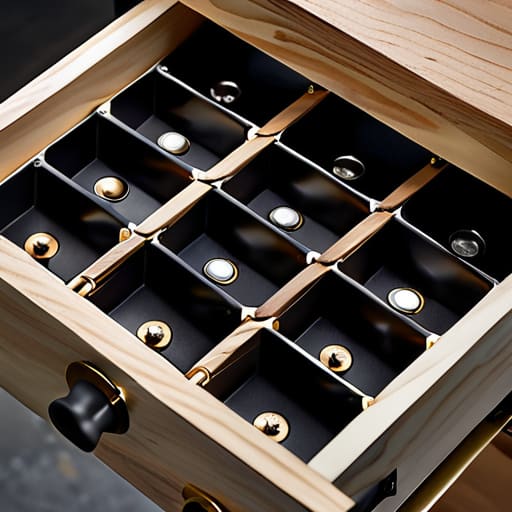
At the end of the day, organizing your hardware isn't about having a pretty-looking workbench for people to admire; it’s about respecting your own time. If you’ve taken the time to sort your hinges into proper bins and slapped a clear, honest label on every container, you’ve already won half the battle. You won't be standing there mid-job, staring at a pile of mismatched brass screws while your momentum dies. By grouping your small parts logically and ensuring everything has a dedicated home, you are eliminating the wasted motion that turns a productive afternoon into a frustrating slog. A tidy drawer is just as important as a sharp chisel when it comes to doing decent work.
I’ve spent forty years on sites and in classrooms, and I’ve seen plenty of lads rush through the setup only to trip over their own feet later. They think they’re being fast, but they’re just being sloppy. Real precision starts before you even pick up a tool; it starts with the discipline of knowing exactly where your materials live. Treat your hardware with the same care you’d give a fine piece of mahogany, and your tools will do the rest. Remember, a disciplined workshop is the foundation of a craftsman. Get your bits and bobs sorted now, so when the real work begins, nothing stands between you and a perfectly executed joint.