Sanders and the Dust Problem
 Callum Reith-Sowande
I spent thirty years on-site and another ten in the classroom, and if there’s one thing that gets under my skin, it’s the way modern tool reviews feel like they were written by someone who’s never actually felt a grain of oak under their palm. Most of these online guides are just reading off a spec sheet, telling you about RPMs and motor wattage as if those numbers actually matter when you're halfway through a tabletop. If you're looking for a guide on how to review a random orbital sander based on marketing fluff and shiny plastic, you've come to the wrong place. A tool isn't a collection of statistics; it's an extension of your hand, and if it vibrates so much it numbs your fingers, all those fancy specs are utterly useless.
I’m not here to sell you on the latest battery-powered gadget that’ll be in a landfill by next Christmas. My goal is to show you how to test a machine for what it actually does: how it handles the load, how it manages dust, and whether you can actually maintain it when it inevitably wears down. I’ll be looking at these sanders through the lens of a man who believes a tool should last a lifetime, not a season. We're going to cut through the noise and find out which machines are worth your hard-earned money and which ones are just expensive noise.
Motor Durability and Power vs Raw Uncontrolled Torque
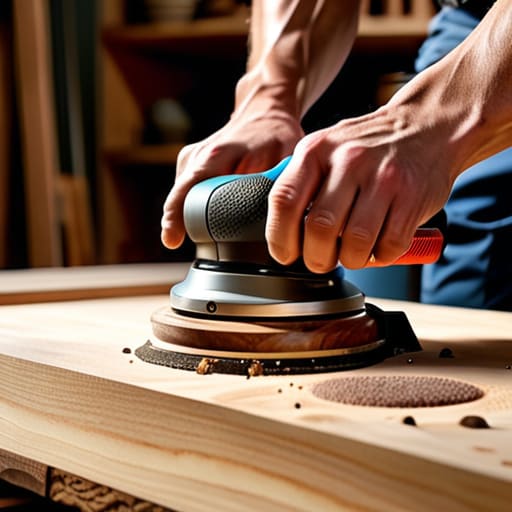
When you're looking at the specs, don't get blinded by a high wattage number on a box. A motor that pulls a lot of juice but bogs down the second you apply any real pressure is useless to me. I want to see how the tool handles a load. During my orbital sander performance testing, I always look for that steady, consistent hum. If the motor sounds like it's gasping for air when you move from a coarse grit to something finer, it lacks the necessary torque. You want a tool that maintains its speed under pressure, not one that relies on raw, uncontrolled power that just vibrates the life out of your hands.
I also look closely at the build quality because, in my experience, a motor is only as good as the brushes and bearings inside it. Most modern shops treat these things as disposable, but I want to know if I can actually maintain it. If the casing is all thin, cheap plastic, you'll never get decent motor durability and power out of it in the long run. A good sander should feel substantial, providing enough grunt to do the work without feeling like you're fighting a runaway lawnmower.
The Truth About Sandpaper Grit Compatibility and Surface Finish
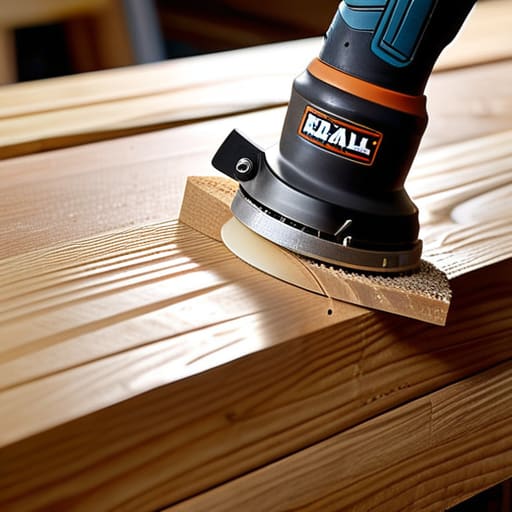
You’ll see plenty of manufacturers claiming their machines can jump from 60 grit to 220 without a hitch, but that’s mostly marketing fluff. When I’m doing my own orbital sander performance testing, I don't care about the specs on the box; I care about whether the machine actually respects the progression of the grain. If a sander lacks the steady, controlled movement required, you'll find yourself fighting deep swirl marks that no amount of fine-grit paper will ever truly erase. A decent tool should feel like it’s working with the abrasive, not just spinning it blindly against the timber.
True sandpaper grit compatibility isn't just about the paper itself; it's about how the machine handles the increasing resistance as the surface gets smoother. As you move up the grits, the motor shouldn't bog down or change its rhythm. If the tool starts to hunt or vibrate erratically the moment you switch to a finer grain, it’s a sign the internal drive isn't stable. You want a machine that maintains a consistent, rhythmic stroke regardless of the grit, or you'll spend more time fixing mistakes than you would have spent with a simple sanding block and a bit of elbow grease.
Five Things to Look for Before You Let a Plastic Box Into Your Workshop
- Check the vibration, not just the specs. If the machine shakes your teeth loose after ten minutes, it’s a poorly balanced piece of kit that’ll leave your hands numb and your finish uneven.
- See if you can actually fix it. I won't touch a tool if it’s held together by proprietary clips and glued-in plastic; if a bearing goes, you should be able to open it up and replace it yourself.
- Watch how it handles the pressure. A decent sander should keep its speed when you lean into it; if the motor bogs down the moment you apply any real weight, it’s nothing more than an expensive paperweight.
- Look at the dust extraction. If it doesn't pull the grit away from the wood effectively, you're just swirling sawdust into your finish, and you'll end up spending more time cleaning than sanding.
- Test the pad's grip. If the sandpaper slips or the backing pad feels like it's made of cheap foam, you'll spend the whole afternoon fighting the machine instead of working the timber.
Choosing a Tool That Lasts
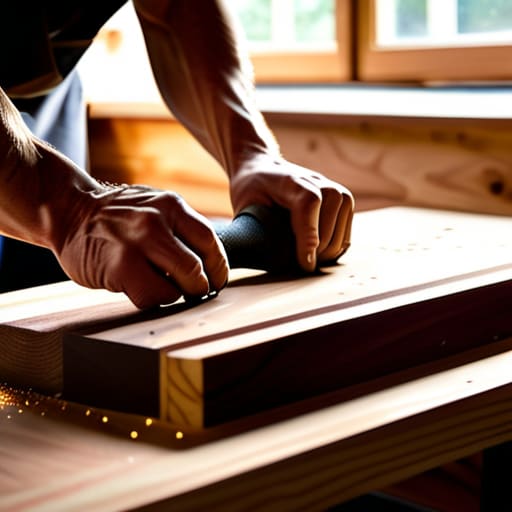
At the end of the day, reviewing a sander isn't about reading a spec sheet or looking at how many lights blink on the casing. It’s about whether that machine actually does the work or if you’ll be spending your entire weekend fighting it. You need to know if the motor has the guts to maintain speed when you apply pressure, and whether the vibration is going to leave your hands numb by lunch. If the tool can't handle the grit transitions smoothly or if it feels like a piece of disposable plastic that’ll be in a landfill by next Christmas, then it’s not worth your hard-earned money. A good sander should be an extension of your hand, not a clumsy distraction from the wood itself.
I know what some of you are thinking—that I’m just a stubborn old joiner who prefers a block plane and a bit of elbow grease. And you’re right, I am. But even I recognize that a well-chosen power tool can save your back and your time, provided it’s built with some dignity. Don't just buy the loudest one on the shelf or the one with the flashiest brand name. Look for the machine that feels solid, runs steady, and respects the material you're working on. Buy something you can actually maintain, and you'll find that even in a world of cheap consumables, quality still holds its own.