A Screwdriver That Fits the Screw
 Callum Reith-Sowande
I remember sitting in the workshop during my final year of apprenticeship, watching a lad try to force a screw into a piece of seasoned oak using a cheap, hollow-handled driver from a supermarket multipack. The tip stripped instantly, leaving him cursing and spinning a useless piece of metal in a ruined hole. It’s a common sight now; people think they can just buy a massive, fifty-piece plastic case filled with flimsy bits and call it a day. They don't realize that learning how to choose a screwdriver set isn't about quantity, it's about the integrity of the steel and the fit of the shank. Most of those modern sets are designed to be disposable, and frankly, that's a waste of your hard-earned money.
I'm not here to sell you on some fancy, laser-etched kit that looks good on a shelf but fails the moment you put some real torque behind it. I'm going to show you what actually matters: the feel of the grip, the hardness of the tip, and why you only need a handful of properly made tools to do a lifetime of work. We’re going to strip away the marketing nonsense and focus on the mechanics of a tool that actually lasts.
Mastering Driver Bit Compatibility Over Blunt Force
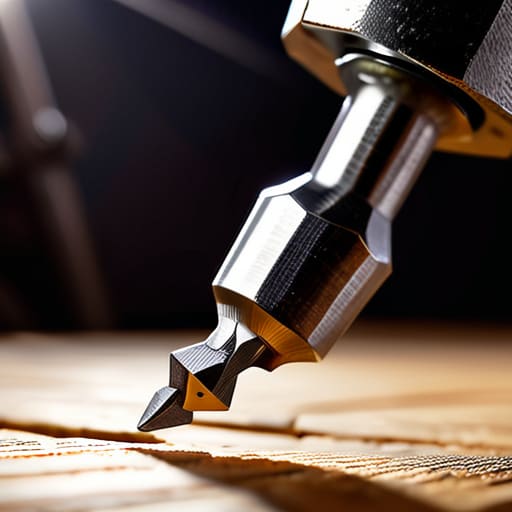
I’ve spent more time than I care to admit watching young lads strip the heads off expensive screws because they thought a cordless driver could muscle its way through any mistake. They treat it like a blunt instrument. If you don't respect driver bit compatibility, you’re just making more work for yourself. A bit that’s even slightly the wrong size—say, forcing a Pozidriv into a Phillips head—is a recipe for a ruined workpiece and a wasted afternoon. You have to feel the seat of the bit in the screw head; if it isn't snug, you aren't ready to turn.
Once you stop relying on brute force, you start noticing the small things that actually matter. I always tell my students that a decent set should prioritize quality over quantity. I'd rather have ten bits that fit perfectly than a hundred cheap ones that wobble. Look for sets that offer a variety of screwdriver tip types to match the specific fasteners you actually encounter in your shop. And for heaven's sake, don't overlook the handle. A bit of proper ergonomic handle design means you can apply steady, even pressure without your hand cramping up halfway through the job.
Why Precision Screwdriver Sets Outperform Any Power Tool
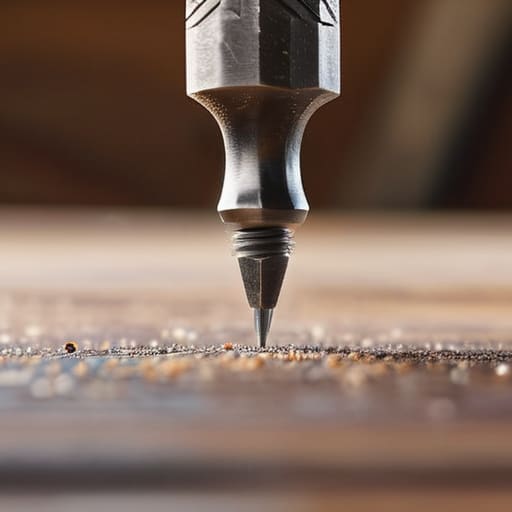
I’ve seen too many young lads reach for the cordless driver the second a screw shows up, only to spend the next ten minutes cursing as they strip the head clean off. A power tool is a blunt instrument; it has no sense of feel. When you use a proper manual set, you aren't just turning a screw—you're feeling the engagement. You can sense exactly when the thread is biting or if the metal is starting to give way. That tactile feedback is something a motor simply cannot replicate, and it’s the difference between a job done well and a ruined workpiece.
Investing in precision screwdriver sets means you're choosing control over chaos. A decent set offers a variety of screwdriver tip types that actually fit the fastener, rather than forcing a generic bit into a tight slot. I always tell my students that a well-designed, ergonomic handle design does half the work for you by letting your hand do the thinking. When the tool fits the hand and the bit fits the screw, the work becomes steady, quiet, and far more efficient than any battery-operated gadget.
Five Rules for Building a Set That Actually Lasts
- Look for hardened steel, not just shiny metal. If the tip of a driver starts to mushroom or round off after a week of work, it’s nothing more than a glorified consumable. I won't have it in my shop.
- Prioritize a variety of tip shapes over quantity. You don't need fifty cheap bits; you need a solid selection of Pozi, Torx, and Slotted heads that actually fit the screw without slipping. A slipping driver is a ruined screw and a wasted afternoon.
- Check the handles for grip and balance. A screwdriver should feel like an extension of your hand, not a plastic toy. If the handle is too thin or the material feels cheap, you'll find yourself fighting the tool instead of the fastener.
- Avoid those flimsy, multi-piece kits sold in plastic cases that crack if you look at them wrong. I'd rather have five heavy-duty drivers in a proper roll than a hundred bits that are going to end up in the scrap heap by Christmas.
- Make sure the set includes different shank lengths. Sometimes you need a long reach to get into a corner, and other times a short, stubby driver gives you the control you need for fine work. Don't let a single length limit what you can do.
Choosing for Longevity, Not Convenience
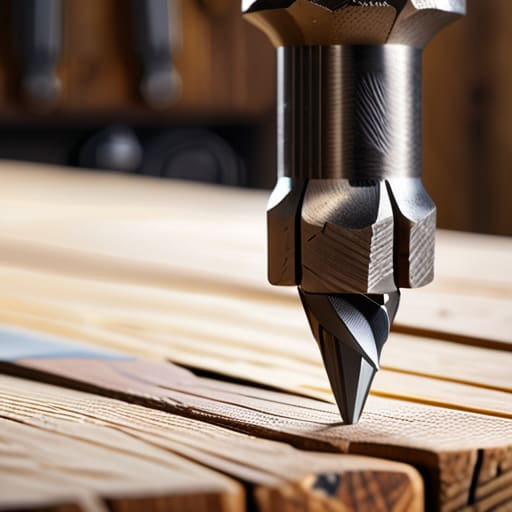
At the end of the day, choosing a screwdriver set isn't about finding the cheapest box of bits on a supermarket shelf. It’s about understanding that the right driver head and a solid, well-fitted handle are what stand between a clean job and a stripped screw head that'll leave you cursing your luck. You need to look for sets that prioritize material quality and tip precision over sheer quantity. If a set feels flimsy or the bits seem like they're made of soft tin, leave it on the shelf. I’ve spent forty years watching men ruin good timber because they tried to force a poorly matched driver into a screw. Invest in quality steel and the right variety, and you won't find yourself reaching for a power drill just to compensate for a tool that can't do its job.
I know the modern world wants everything to be fast and disposable, but there is a quiet satisfaction in using a tool that actually works with you rather than against you. A proper manual set stays in your chest for a lifetime if you treat it right. Don't settle for the "consumable" mindset where you buy a new set every time one bit snaps. Instead, aim for a collection of tools that you can trust implicitly every time you pick them up. When you finally stop fighting your hardware and start feeling the precision in your own hands, you'll realize that true craftsmanship starts with the basics.