Mitre Saw Accuracy Out of the Box
 Callum Reith-Sowande
Most of the "expert" guides you’ll find online about how to review a mitre saw are a load of rubbish. They’ll spend twenty minutes droning on about Bluetooth connectivity, LED lighting, or how many lumens the workspace gets, as if you’re setting up a film studio instead of a workshop. They treat these machines like fancy gadgets rather than the precision instruments they ought to be. If a saw can’t hold a true 90-degree angle or if the fence wobbles when you tighten the clamp, I don't care how many bells and whistles it has; it's nothing more than an expensive paperweight.
I’m not here to sell you on the latest marketing hype or the shiny new models that are designed to be thrown in a skip the moment a bearing goes. I’m going to show you how to look past the plastic casing and find the mechanical truth of a machine. We’ll talk about build quality, ease of adjustment, and whether or not you can actually service the thing when it inevitably needs a bit of love. I’ll give you a way to test a saw that actually matters, so you don't end up wasting your hard-earned money on a tool that can't keep a straight line.
Testing Mitre Saw Cutting Precision Against the Grain
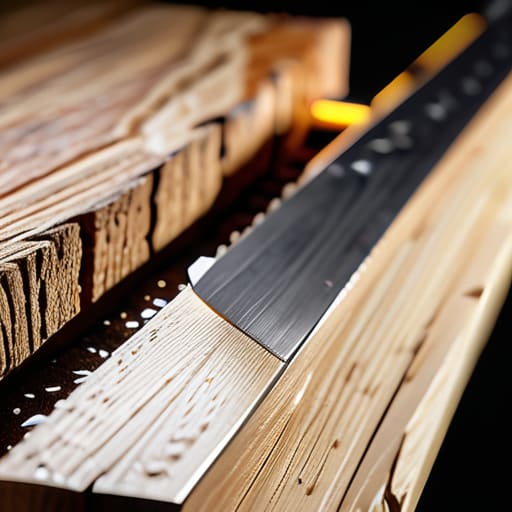
When you're testing for mitre saw cutting precision, don't just cut through some soft pine and call it a day. That’s how you end up with a pile of expensive scrap. You need to put the machine through its paces by cutting across the grain of a seasoned hardwood—something like oak or ash. If the blade wanders or leaves a ragged, chewed-up edge, you know you've got a problem. A decent machine should slice through the fibers cleanly, almost like a well-honed chisel, rather than smashing them.
I always look closely at how the blade reacts when it hits those tougher grains. This is where you'll see the real difference in mitre saw blade performance. If you're comparing a sliding mitre saw vs chop saw, the sliding model should offer much more stability here, but only if the rails are true. If the saw chatters or vibrates when it meets resistance, it’s going to give you a messy finish every time. You want a cut that's smooth and predictable, not something that looks like it was hacked at with a blunt axe.
A Brutal Power Tool Safety Assessment Protocol
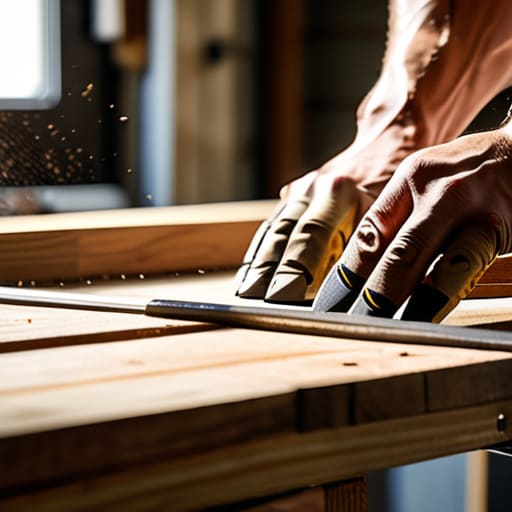
Now, I’ve spent forty years on sites where men treat safety as an afterthought, usually because they’re more worried about the clock than their fingers. When you’re running a power tool safety assessment, you can't just flick the switch and see if it makes a noise. You need to look at the guard mechanisms with a critical eye. A guard that hesitates, even for a fraction of a second, is a guard that’s failed. I’ve seen too many lads rely on a machine to protect them when the machine itself is poorly maintained or fundamentally flawed.
You also need to test the stability of the base and the tension in the arm. If you're comparing a sliding mitre saw vs chop saw, you'll notice the sliding models have more moving parts that can go out of alignment. If that rail isn't rock-solid, you aren't just losing your accuracy; you're losing control. A machine that wanders mid-cut is a machine that's begging to kick back. If the tool feels flighty or lacks a heavy, grounded feel, it doesn't pass my workshop tool testing criteria. You don't compromise on the things that keep your hands attached to your wrists.
Five Things I Look For Before I Let a Saw Into My Shop
- Check the fence for true straightness. If that rail is even a fraction of a degree out of alignment, you'll spend your whole afternoon fighting the machine instead of making cuts. I don't care how many features it has; if the fence is wonky, the saw is scrap.
- Listen to the motor under load. A good saw should hum, not scream. If the pitch changes from a steady drone to a strained, dying groan the moment the blade touches the timber, you're looking at a tool that won't last through a proper week of work.
- Inspect the ease of the adjustments. I’ve seen too many modern saws where changing the bevel angle feels like you're trying to turn a rusted bolt with a toothpick. If the scales and locks aren't intuitive and solid, you'll never get a repeatable cut.
- Look at the dust extraction port, not the marketing claims. Most of these machines are designed to blow sawdust all over your lungs. I check to see if the port is actually large enough to handle the volume, or if it's just a tiny little hole meant to look good in a catalogue.
- Test the stability of the base. A saw that dances across the workbench when you're making a heavy rip cut is a dangerous, useless bit of kit. If it doesn't sit dead-still and heavy on the bench, it's not worth the floor space it occupies.
The Final Cut
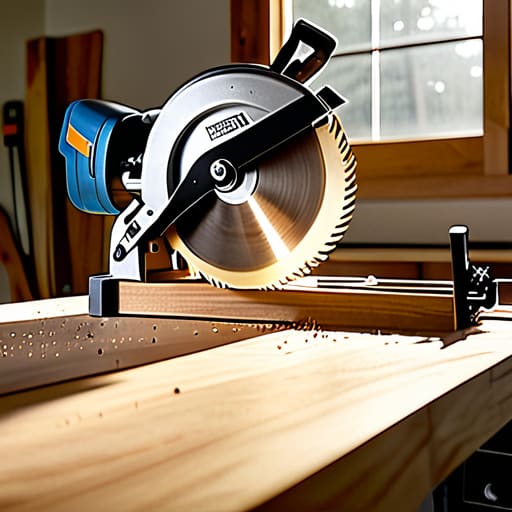
At the end of the day, reviewing a mitre saw isn't about reading a spec sheet or looking at a shiny sticker on the box. It’s about how that machine behaves when it hits the timber. You’ve looked at the precision of the cuts, you’ve checked how it handles the grain, and you’ve put its safety features to the test. If a saw can't hold a true angle or if it leaves a ragged edge that requires ten minutes of sanding to fix, then it's just a glorified paperweight. A decent machine should be reliable and predictable, saving you the headache of fighting the tool instead of working with it. Don't let a fancy brand name fool you; if it doesn't pass these tests, it isn't worth your bench space.
I know some of you might think I’m a bit old-fashioned, especially when I talk about the superiority of a well-honed chisel. But the truth is, whether you're using a hand tool or a power tool, the goal is the same: doing the job right the first time. A mitre saw is meant to be a partner in your workshop, not a source of frustration. Invest your time in testing properly, and you'll find that the right tool becomes an extension of your own hands. Work steady, keep your eyes sharp, and remember that quality is never an accident.