Dust Control at Three Budgets
 Callum Reith-Sowande
I spent thirty years watching lads plug in massive, expensive extraction units only to find themselves still coughing their lungs out ten minutes later. They think if they buy a machine with enough horsepower, they’ve solved the problem, but they’re just moving the mess around. Most of these modern gadgets are built to be replaced, not to actually work, and they won't teach you the real secret of how to control dust through proper technique and a bit of common sense. You don't need a mortgage-sized vacuum to keep a clean bench; you need to understand the flow of the air and the way a tool actually interacts with the grain.
I’m not here to sell you a shiny new piece of plastic or a subscription to some fancy workshop management system. I’m going to tell you how I’ve kept my lungs clear and my joinery precise using nothing more than a damp rag, a well-placed brush, and the right kind of steady discipline. We’ll look at why a sharp chisel actually produces less mess than a dull router, and I'll show you how to manage your workspace so you spend your time carving, not sweeping.
Why Hepa Filter Effectiveness Trumps Brute Force
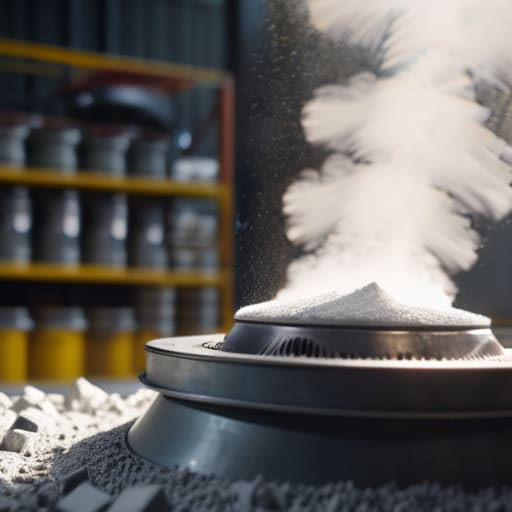
Most fellas think that if they just get a bigger motor or a louder vacuum, they’ve solved the problem. They’re wrong. I’ve seen plenty of lads running high-powered extractors that do nothing but stir the fine stuff back into the air. It’s a fool’s errand. If you aren't looking at HEPA filter effectiveness, you’re just moving the grit from the floor to your lungs. A massive suction force is useless if the machine is just spitting the smallest, most dangerous particles right back out the exhaust.
Real indoor air quality improvement doesn't come from brute strength; it comes from containment. I’ve spent forty years seeing how fine sawdust settles in the lungs of men who thought they were being "thorough" with a heavy-duty shop vac. You need a machine that actually traps what it pulls in. If the filter can't catch the microscopic sweepings, you aren't cleaning; you're just rearranging the mess. Invest in a proper seal and a certified filter, or don't bother turning the machine on at all.
Refined Surface Cleaning Protocols Over Constant Wiping
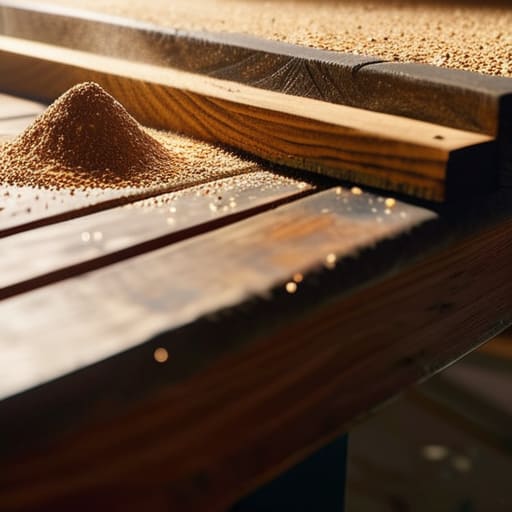
Most people think cleaning is just about moving the mess from one spot to another. They grab a dry cloth, give the workbench a quick swipe, and call it a day. That’s a mistake. All you’re doing is kicking the finest grit back into the air, making it impossible to maintain any real indoor air quality improvement. When you wipe a surface dry, you’re just creating a cloud that will settle back down on your joinery an hour later.
Instead, you need to adopt proper surface cleaning protocols that actually trap the debris. I always tell my former students: use a damp, lint-free rag. The moisture holds the particles in the fabric rather than letting them dance in the light. If you’re working on a finished piece, a slightly tacky cloth is even better. It’s about being methodical. If you stop trying to rush the cleanup and start treating it like part of the craft, you’ll find you spend far less time fighting the air and more time actually working the wood.
Five Ways to Keep the Grit Out of Your Grain
- Stop the cloud at the source. If you’re using a sander, don't just rely on the bag attached to it; make sure your extraction is actually pulling from the tool itself. A loose connection is just a fancy way of making a mess.
- Treat your workshop like a kitchen, not a landfill. I don't wait for the weekend to clean up. A quick sweep with a brush and a damp cloth after every session stops the fine silt from settling into the corners where it'll just wait to be kicked up again.
- Watch your air, not just your floor. A decent air filtration unit isn't a luxury; it's how you catch the stuff you can't see until it's already in your lungs. If the air looks thick, your system is failing you.
- Mind your clothes. You'll spend all day cleaning the bench only to walk over and shake a cloud of sawdust off your apron. Get a dedicated workshop smock and leave it by the door.
- Don't use compressed air to clean up. It’s the laziest thing you can do. You think you're clearing the bench, but you're really just turning fine dust into a permanent mist that hangs in the air for an hour. Use a brush and a vacuum instead.
Stop Fighting the Air and Start Controlling the Workspace
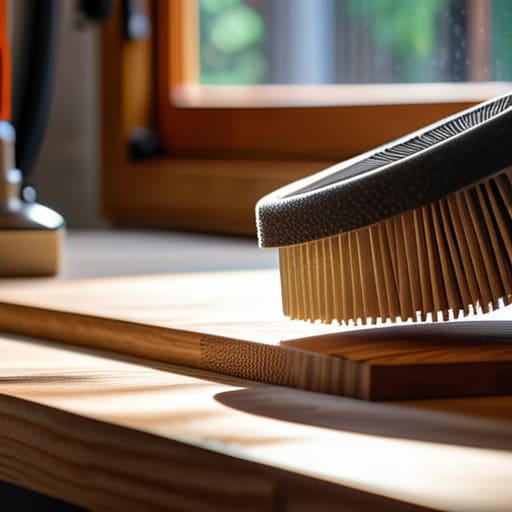
At the end of the day, managing dust isn't about buying the loudest, most expensive extraction unit on the market. It’s about understanding that a massive, poorly filtered machine is just moving the problem from one corner of the shop to your lungs. You need to focus on quality over volume—relying on proper HEPA filtration to actually catch the fine particles and using methodical, refined cleaning rather than just chasing the mess around with a broom. If you stop trying to outrun the dust with brute force and start addressing it through precision and discipline, you'll find your workshop stays much clearer with half the effort.
I’ve spent forty years watching men exhaust themselves trying to tackle the symptoms of a messy shop instead of the cause. They think a bigger vacuum is the answer, but the real secret lies in the small, steady habits you build before you even turn a machine on. A clean workspace isn't just about health; it’s about respect for your craft and the tools you use. When you master your environment, you gain a level of control that no power tool can provide. Work with intention, keep your surfaces clean, and remember that a tidy shop is the foundation of true craftsmanship.