Hammer Weight for the Work You Do
 Callum Reith-Sowande
I spent thirty years on site watching lads walk into a hardware store and spend forty minutes reading the back of a box, trying to figure out the "optimal striking weight" for a job that just needs a bit of common sense. They think they need some high-tech, vibration-dampening, aerospace-grade gadget to get a nail home, but most of that is just marketing fluff designed to empty your pockets. If you're staring at a wall of shiny, overpriced tools wondering how to choose a hammer that won't let you down, you're already overthinking it. A hammer shouldn't be a piece of technology; it should be a proper tool that feels like a natural extension of your own hand.
I’m not here to give you a lecture on metallurgy or show you a spreadsheet of technical specifications. I’m going to tell you what actually matters when you're standing in the middle of a job, halfway through a long afternoon, and you just need the tool to do its job without punishing your wrist. I’ll show you how to spot the difference between a lifelong companion and a piece of junk that’ll end up in a skip by Christmas.
Mastering Striking Face vs Claw Hammer Dynamics
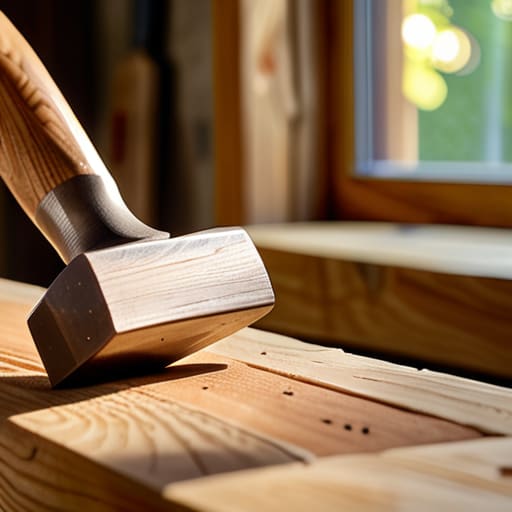
You’ll see plenty of lads in the hardware shops grabbing the first heavy claw hammer they see, thinking more weight equals more work. That’s a mistake. If you’re doing fine joinery, a heavy claw is just going to mar your timber and bruise your wrist. You need to understand the striking face vs claw hammer dynamic before you start swinging. A smooth, milled face is what you want for driving finish nails without leaving a crescent-shaped dent in your workpiece. If you're just pulling nails out of old floorboards, the claw is your best friend, but don't expect it to be your primary driver for anything delicate.
When I was teaching the apprentices, I always told them to pay attention to the balance. It isn't just about the weight of the head; it’s about how that weight sits in your palm. If you're looking at different hammer handle materials comparison, you'll find that a hickory handle absorbs the shock much better than steel. A steel handle might feel indestructible, but it'll send every bit of that vibration straight up your elbow. You want a tool that works with your body, not one you have to fight against.
Choosing Hammer Weight for Tasks That Matter
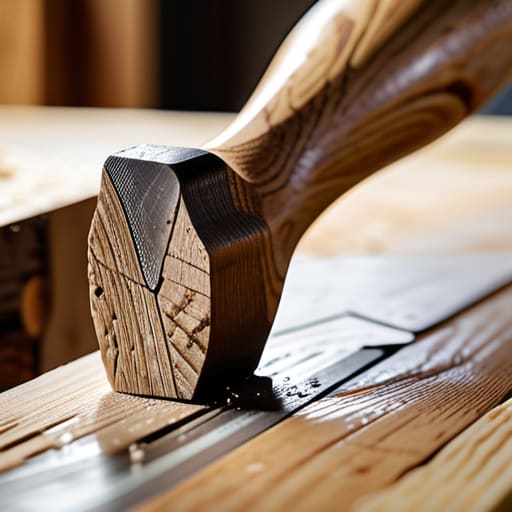
You’ll see lads in the trade buying the heaviest mallet or sledge they can find, thinking more weight equals more work done. That’s a fool’s errand. If the tool is too heavy, you aren't driving the nail; you're just fighting the tool. When I was teaching the apprentices, I’d tell them that choosing hammer weight for tasks is about balance, not brute force. For delicate joinery or fine trim, you want something light that lets you feel the vibration of the strike. If you're swinging a heavy beast just to tap a small finishing nail, you’re going to mar the timber, and no amount of sanding will fix a botched job.
On the other hand, if you’re out on a rougher job, you need something with enough heft to do the work for you. I’ve spent plenty of time looking at a hammer handle materials comparison, and while a heavy head helps, the way that weight transfers through the handle is what actually matters. You want a weight that carries its own momentum so your wrist isn't doing all the heavy lifting. Get it wrong, and you'll be feeling that ache in your elbow long before the job is finished.
Five Rules for Not Buying a Paperweight
- Forget the fancy ergonomic rubber grips that look like something out of a sci-fi film. If the handle feels like a sponge in your hand, it’ll be a nightmare after twenty minutes of driving nails. Look for something that feels solid, whether it's a decent hickory or a well-balanced steel, and make sure you can actually feel the tool working.
- Don't just look at the weight on the box; look at how that weight sits in your palm. A hammer that’s top-heavy might drive a nail fast, but it'll wreck your wrist by lunchtime. You want the balance to sit right where you expect it to, so the tool does the swinging, not your elbow.
- Check the head-to-handle connection like your life depends on it. I’ve seen too many lads buy a cheap hammer only for the head to fly off halfway through a frame. If it’s a wooden handle, ensure it’s seated tight; if it’s steel, make sure there’s no wobble. If it feels loose in the shop, it’s rubbish.
- Match the face to the job, not the marketing. If you’re doing fine joinery or working on finished timber, a smooth face is non-negotiable unless you want to leave a permanent dent in your hard work. A milled or textured face is fine for framing, but don't go using a sledgehammer on a delicate piece of oak and expect to be surprised.
- Buy for repairability, not for convenience. I’ve spent forty years seeing "disposable" tools end up in the skip. Choose a hammer with a simple, honest design. If a handle cracks or a head loosens, you should be able to fix it yourself. If it’s a complex, sealed unit that can't be serviced, leave it on the shelf.
Choosing Wisely
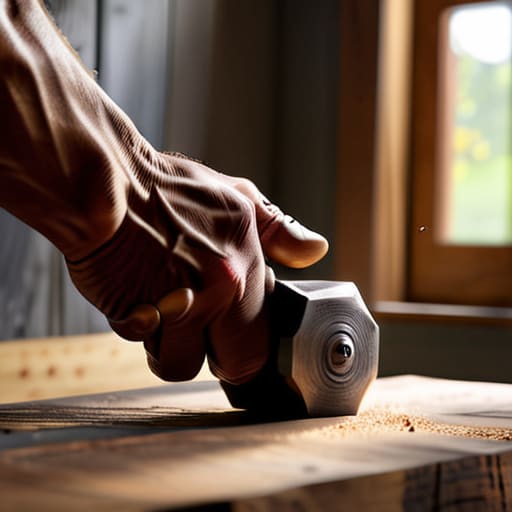
At the end of the day, picking a hammer isn't about reading a spec sheet or buying the most expensive brand in the shop. It’s about understanding the job in front of you. You’ve got to weigh the head against the handle to find that balance, and you need to know if you're driving a finish nail or tearing one out with a claw. If you pick a heavy framing hammer for delicate joinery, you'll end up fighting the tool instead of the wood. Don't let the weight dictate your work; let the work dictate the tool. Once you find that sweet spot between face type and heft, the tool stops being a piece of metal and starts being part of your hand.
I’ve spent forty years on sites and classrooms seeing men buy cheap, poorly balanced hammers that they toss in the scrap bin the moment the handle cracks or the head wobbles. Don't be that man. Invest in something solid, something you can maintain, and something that feels right when you swing. A good hammer is a lifelong companion, not a disposable bit of kit. Treat your tools with respect, and they’ll never let you down when the job gets tough. Stop looking for the "perfect" hammer in a catalogue and go find the one that actually works for you.