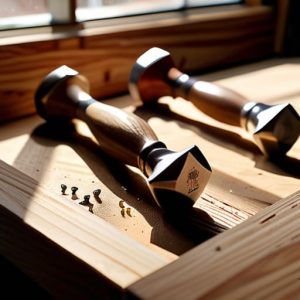
What Makes a Bench Worth Buying
 Callum Reith-Sowande
I’ve spent forty years watching lads walk into shops and spend a small fortune on workbenches that look like something out of a high-end showroom, only to find they’re about as useful as a chocolate teapot the moment a chisel touches the surface. Most people think how to review a workbench is all about checking the brand name or how many fancy built-in clamps it boasts, but that’s just marketing fluff. If you can’t put your weight behind a plane without the whole thing shifting an inch, you aren't working; you're just fighting your furniture.
I’m not here to give you a glossy brochure or a list of features that’ll never see a day of real use. My aim is to show you what actually matters—the weight, the joinery, and the stability that keeps your work precise. I’ll be sharing what I’ve learned from decades on site and in the classroom so you can spot the difference between a proper tool and a glorified kitchen table. We’re going to look at the bones of the thing, because once you know the truth, you won't be fooled by the shine.
The Truth in the Grain Workbench Surface Flatness Assessment
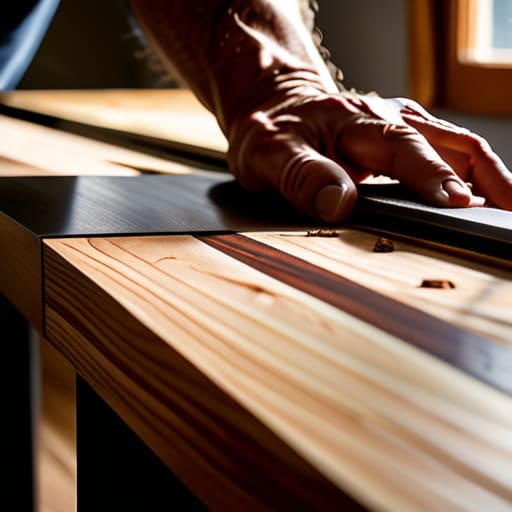
You can buy the most expensive, heavy-duty bench on the market, but if the top isn't flat, you’re just working on a very expensive piece of firewood. When I’m looking at a new bench, I don't care much for the fancy branding; I want to see how the wood behaves. A proper workbench surface flatness assessment isn't about using a laser level or some high-tech gadget. It’s about laying a straightedge across the grain and seeing where the light leaks through. If there’s a dip in the middle or a twist in the corners, you’ll spend more time fighting the bench than you will shaping your timber.
I’ve seen too many youngsters buy a bench that looks sturdy in a catalogue, only to find it bows the moment they put a heavy workpiece on it. You need to check if the top is truly true. If you can’t get a straightedge to sit flush across the entire length, you’re going to struggle with every single joint you try to cut. A bench that isn't flat is a constant uphill battle against your own tools.
Testing the Core Real World Woodworking Bench Durability
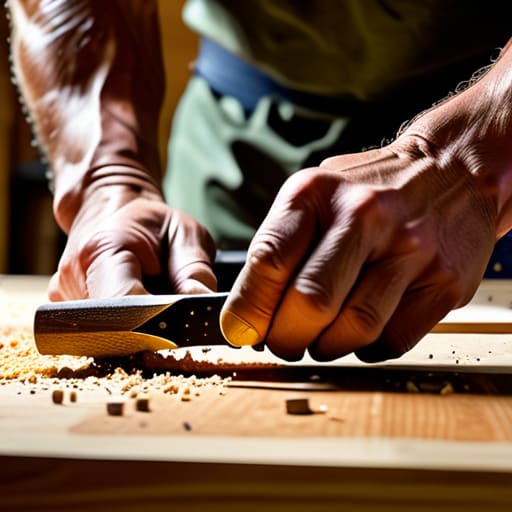
Once you’ve confirmed the top is flat, you need to see if the thing actually stays put when you start working. A bench might look sturdy in a showroom, but woodworking bench durability is proven under pressure, not under a soft touch. I always start by putting my weight into it. If you lean your shoulder into a heavy plane or try to drive a mortise chisel and the whole frame starts to walk across the floor, walk away. A bench that moves is just a waste of good timber.
You also need to check the workbench load capacity by loading it up with your heaviest stock and seeing if the legs splay or the top bows. While you're at it, look closely at the bench vise mounting options. If the mounting points feel flimsy or the holes don't line up true, you'll spend more time fighting the hardware than the wood. I’ve seen too many modern benches that look fine until you try to actually use them for real joinery. If it can't handle a bit of rough treatment, it’s not a workbench—it's furniture.
Five Things to Check Before You Commit Your Hard-Earned Cash
- Don't just look at the legs; check the joinery. If a bench is held together by nothing but glue and cheap screws, it’ll start walking across your workshop the moment you put a heavy plane to a piece of oak. Look for mortise and tenon joints that actually fit tight.
- Test the vise's bite. A workbench is only as good as its ability to hold wood still. If the vise jaws slip or feel flimsy when you’re trying to secure a workpiece, it’s just a piece of furniture, not a tool.
- Listen to the noise. When you’re working, you want a solid, dead thud when you strike a chisel or tap a mallet. If the bench rings or rattles like a hollow drum, it’s lacking the mass you need to absorb the vibration.
- Check the accessibility of your clamping points. A bench might look grand, but if you can’t easily reach your dog holes or if the vise blocks in the way of your work, you’ll spend more time fighting the bench than making anything useful.
- Evaluate the height, not just the measurements. A bench that’s too high will wreck your shoulders, and one that’s too low will kill your back. If you’re reviewing one, see if it’s built to be adjusted or if it’s stuck at a height that only suits a giant.
The Final Measure
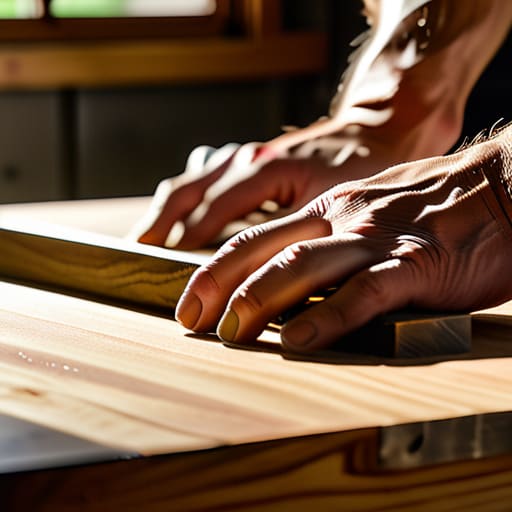
At the end of the day, reviewing a workbench isn't about checking off a list of shiny features or seeing how many clamps a manufacturer says it can hold. It’s about the reality of the work. You’ve looked at the flatness of the top, you’ve tested the bones of the frame to ensure it won't shudder under a heavy mallet, and you’ve checked that the vices actually bite where they should. If the surface isn't true and the structure isn't solid, you aren't buying a workstation—you're buying a source of frustration. A workbench is the one tool in the shop that should never need fixing, because if you're spending your time shimmying a wobbly leg, you aren't spending that time making anything worth keeping.
Don't let the marketing fool you into thinking a heavy-duty motor or a fancy brand name makes a bench. A good bench is a silent partner; it stays out of your way and lets your hands do the talking. Invest your time and your money into something that offers stability and precision above all else. When you find that right piece, the one that holds your timber steady without a single groan, you'll realize that the best foundation for fine joinery isn't a power tool—it's a rock-solid surface. Get it right the first time, and you'll spend your years crafting, not correcting.