Going Back to a Tool After Twelve Months
 Callum Reith-Sowande
Most of the "experts" you see online will tell you how to judge a tool the moment you unbox it, raving about the weight or the finish like it’s a bloody piece of jewelry. That’s nonsense. A tool isn't truly tested when it's shiny and new; it's tested when the seasons change, the grit gets into the gears, and you've actually put it to work on a real job. If you want to know how to review a tool after a year, you have to stop looking at the sales brochure and start looking at the wear and tear.
I’m not here to give you a list of technical specifications that you can just read off a website. I’m going to show you how to look for the truth in the metal and the wood. We’ll talk about how it handles a real honing session, whether the parts are actually replaceable, and if it’s still a precision instrument or just another bit of disposable rubbish taking up space in your chest. I'll give you the honest, grit-under-the-fingernails method for deciding what stays in your kit and what gets sold at the yard.
The Long Term Performance Testing Truth
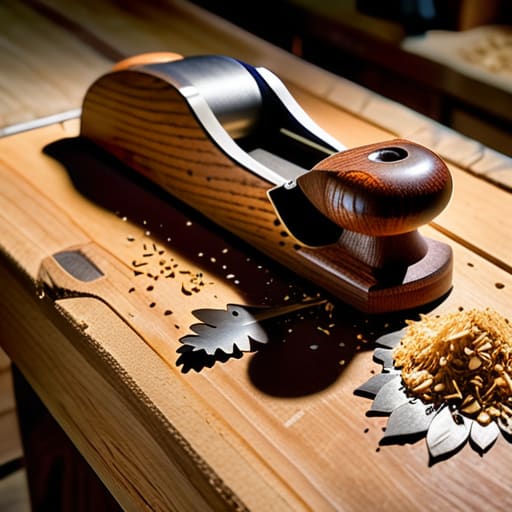
When you first unbox a new plane or a set of chisels, everything feels grand. The steel is bright, the handles are smooth, and you think you’ve found the holy grail. But a year in, the honeymoon is long gone. Real evaluating tool reliability isn't about how it looks on the workbench in week one; it’s about how it behaves when you’re halfway through a difficult piece of seasoned oak. I look for the small things—the way the adjustment screw starts to bind or if the blade begins to pit despite regular oiling.
You have to watch for the wear and tear indicators that the marketing brochures conveniently leave out. I don't care if a tool is "professional grade" if the edge rolls the moment it hits a knot. I want to see if the tool demands more work from me over time just to keep it functional. If I'm spending more time fighting the tool than I am shaping the wood, then it’s failed the test. A proper tool should settle into your hand, not become a constant source of frustration.
Scrutinizing Wear and Tear Indicators
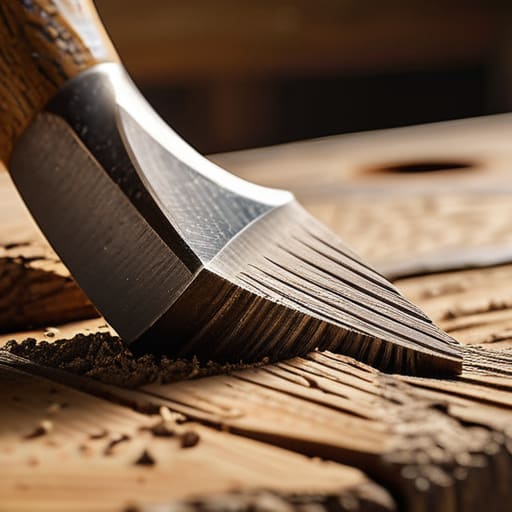
You can’t judge a tool by its first week in the shop. When I’m evaluating tool reliability, I’m not looking at whether it cuts straight today; I’m looking at how the steel behaves after fifty sharpenings. You need to keep a close eye on your wear and tear indicators. Look at the handles—are they cracking or loosening in the mortise? Check the tang of your chisels to see if they’re starting to wobble. If a tool requires more and more effort just to keep it functional, it’s failing its most basic job.
A proper maintenance and upkeep analysis tells you more than any shiny brochure ever could. If you find yourself spending more time fixing the tool than actually using it, that’s a red flag. I always look for how the metal responds to heat and friction over time. If the temper is soft and the edge rolls the moment it hits a bit of knotty pine, you haven't bought a tool; you've bought a temporary convenience. A real tool should age with you, not fall apart when the work gets heavy.
Five ways to tell if a tool is worth its salt
- Check the steel, not the handle. After twelve months of work, I don't care if the wood looks pretty; I want to see if the edge has gone soft or if you've spent more time at the stones than actually cutting.
- Look for the "planned obsolescence" signs. If you see parts that look like they were designed to snap or bushings that have developed play after a year of regular use, you're looking at a consumable, not a tool.
- Test the ergonomics against real fatigue. A tool might feel fine in the shop for ten minutes, but after a year of use, does it actually cause aches in your wrists, or does it still sit right in the hand?
- Assess the repairability factor. If a single broken part means the whole thing is heading for the scrap heap, then it’s failed the most important test in my book. I only keep what I can fix.
- Compare the actual output to the marketing fluff. Forget what the box promised; look at the joinery you've made with it. If it hasn't made your work cleaner or faster by now, it's just taking up space on the bench.
The Final Verdict
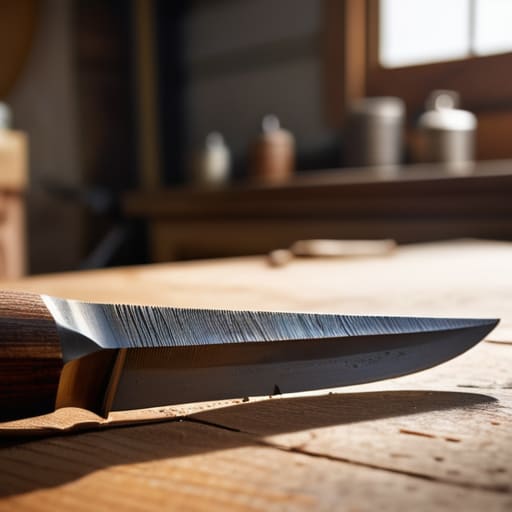
At the end of the day, a year of use tells you more than any glossy brochure ever could. You’ve looked at the wear on the steel, checked if the handles have warped under pressure, and seen whether the tool actually holds its edge or if it’s just another piece of junk designed to be replaced. Don't get distracted by the fancy packaging or the clever marketing. If a tool can't stand up to the daily grind of real workshop work without needing constant, frustrating adjustments, then it hasn't earned its place on your bench. A proper review isn't about being picky; it's about sorting the keepers from the scrap.
I know the modern world wants us to just click 'buy' and move on to the next gadget, but there is a quiet dignity in owning things that last. When you take the time to truly test and understand your kit, you stop being just a consumer and start becoming a craftsman. Invest your time in tools that respect your skill, and in return, they will respect your work. Remember, a tool that is built to be repaired rather than replaced is the only kind worth having in a proper workshop. Build your collection slowly, build it well, and make it last.