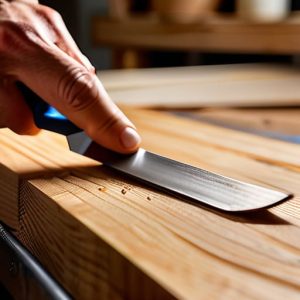
The Block Plane Does More Than You Think
 Callum Reith-Sowande
I remember standing on a site in the late eighties, watching a lad struggle with a power sander for twenty minutes just to smooth out a stubborn end grain. He was covered in dust, his ears were ringing, and the wood still felt hairy. I walked over, handed him my Stanley, and showed him how to use a block plane to take that edge clean in three passes. He looked at me like I’d just suggested magic, but that’s the truth of it: a sharp blade doesn't just save time, it gives you control that no vibrating motor can ever match.
I’m not here to give you a lecture or a list of fancy, expensive gadgets you’ll never learn to fix. I want to teach you the actual feel of the tool—how to set the iron, how to read the shavings, and how to stop fighting the wood. We’re going to get past the frustration of digging in or tearing the grain, and instead, I'll show you how to make that tool sing. By the end of this, you won't just be pushing a piece of metal; you'll be mastering the craft.
Guide Overview
Tools & Supplies
- Block plane (Small hand plane for end grain and fine shaving)
- Safety glasses (To protect eyes from flying wood chips)
- Scrap wood (2-3 pieces of different grain directions)
- Sandpaper (1 piece of medium grit for smoothing)
Step-by-Step Instructions
- 1. Before you even touch the wood, you need to check your iron. I’ve seen too many lads try to plane with a blade that’s more rounded than a pebble, and all they do is mash the fibres instead of cutting them. Take a look at the edge; if it isn't shaving the hair off your arm, stop right there. Get it back on the stones until it's truly keen.
- 2. Set your depth of cut shallow. A common mistake is trying to take a massive chunk out of the timber all at once, which just makes the tool jump and leaves you with a ragged surface. Turn the adjustment nut until the blade is barely peeking out from the sole. You want to take shavings so thin you can almost see through them; that's how you know you're doing it right.
- 3. Get your stance right. If you're standing like a statue, you'll never get a clean stroke. Stand with your feet a bit apart, one foot forward, and lean into the work. You want to use the weight of your body to drive the plane forward, not just the strength in your wrists. If you rely on your wrists, you'll be feeling it in your joints by lunchtime.
- 4. Grip the plane firmly but don't choke it. Your dominant hand goes on the rear knob, and your other hand holds the front tote. As you push, keep your hands in a straight line with the tool. If you start wobbling or tilting the plane to one side, you’ll end up with uneven depths and a piece of wood that's ruined.
- 5. Start your stroke from the very front of the piece. Don't just dive into the middle of the board. Start the plane slightly before the area you want to work on, and aim to finish the stroke past the end of the timber. This prevents the tool from "digging in" at the tail end, which is a sure-fire way to create a divot that no amount of sanding will ever fix.
- 6. Listen to the tool. A well-tuned block plane should make a steady, rhythmic shushing sound as it moves through the grain. If it starts to chatter or vibrate violently in your hands, you've either gone too deep or you've hit a knot. Slow down, back off the blade, and find that sweet spot where the tool feels like it's gliding rather than fighting.
Mastering Depth of Cut Adjustment for Precision

Now, if you try to take too much off at once, you’ll end up fighting the tool rather than working with it. Most lads coming out of apprenticeships these days want to see a big, thick shaving immediately, but that’s a mistake. When you’re setting your depth of cut adjustment, think of it like a fine shave rather than a haircut. You want the blade just barely kissing the surface. If you see the plane jumping or digging in, you've gone too deep. I always tell my students: if you can't see the blade's edge clearly in the reflection of the wood, you're pushing too hard.
A common trap when smoothing end grain wood is overcompensating for the resistance. End grain is stubborn; it wants to tear. Instead of cranking the adjustment screw to bite deeper, you should actually back the blade off even further. A hair-thin shaving will slice through those fibres cleanly, whereas a heavy cut will just bruise the timber. It takes a bit of patience to find that sweet spot, but once you feel the tool gliding without any vibration, you'll know you've got it right.
Smoothing End Grain Wood Without the Chaos
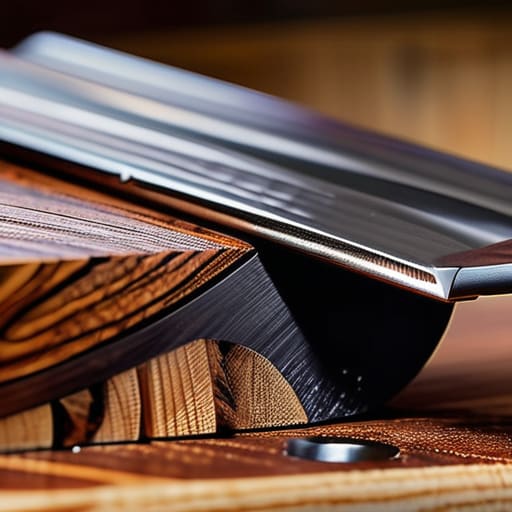
End grain is where most people lose their nerve and reach for a sander, but that’s a mistake. When you’re smoothing end grain wood, the fibers are standing straight up, ready to tear and splinter if you treat them roughly. The secret isn't in brute force; it's in your setup. You need to dial back your depth of cut adjustment until the blade is taking shavings so thin they look like translucent ribbons of silk. If you try to take a heavy bite, the tool will chatter, and you'll end up with a surface that looks like it's been chewed by a dog.
I’ve spent decades teaching apprentices that the tool is only as good as the edge. If you're struggling with tear-out, don't blame the wood—check your iron. Half the battle with end grain is sharpening a plane blade to a mirror polish; if it isn't shaving the hair on your arm, it isn't ready for end grain. Take your time, keep your stroke steady, and let the tool do the work. Once you get that rhythm, you'll realize a well-tuned plane leaves a finish far superior to any orbital sander ever could.
Five things I wish my apprentices had listened to
- Stop fighting the wood. If you’re pushing hard and the plane is jumping, your blade isn't sharp enough or your depth is too deep. A block plane should glide, not grind.
- Check your mouth. If you’re getting little shreds of wood tearing up instead of thin curls, your chipbreaker is likely too far from the edge. Bring it in close to keep those fibers under control.
- Keep your body behind the tool. I see too many young lads reaching forward with their arms. Plant your feet, lean into the stroke, and let your weight do the work, not your biceps.
- Don't trust the factory edge. Most planes come off the shelf with a blunt, rounded edge that’ll only frustrate you. Spend twenty minutes on the stones before you even touch a piece of timber.
- Listen to the sound. A good plane makes a crisp, consistent 'shuck' sound. If it starts sounding ragged or hollow, stop immediately and check your iron; you're just making a mess of the surface.
The Long View

At the end of the day, mastering the block plane isn't about some complicated mechanical trick; it’s about respect. It’s about respecting the grain, respecting the steel, and respecting your own patience. We’ve covered how to set your depth so you aren't fighting the wood, and how to tackle that tricky end grain without leaving a mess behind. If you keep your iron scary sharp and your adjustments minute, you’ll find that the plane does most of the heavy lifting for you. Stop trying to force the tool through the timber. Instead, learn to listen to the sound of the shaving—it’ll tell you everything you need to know about whether you’re cutting or just rubbing.
I see too many young lads rushing straight for the electric thicknesser or the orbital sander because they want the job done yesterday. They don't realize that they're trading quality for a bit of convenience. A block plane is a tool you can own for a lifetime, provided you take the time to maintain the edge. Once you move past the initial struggle and feel that first perfect, translucent shaving curl up in your hand, you’ll understand. It’s a quiet, steady kind of satisfaction that no loud power tool can ever replicate. Stick with it, keep your tools sharp, and the wood will eventually follow your lead.