Trimming a Tenon With a Shoulder Plane
 Callum Reith-Sowande
I spent thirty years on-site watching young lads rush toward the router table the second a joint looked a bit wonky, thinking more power equals more precision. They’d spend twenty minutes fighting a machine only to end up with a crushed grain or a messy shoulder that needed more sanding. It’s a waste of time. I’ve always found that if you actually take the time to learn how to use a shoulder plane properly, you'll find yourself finishing the job with a single, clean pass and a joint so tight you couldn't slip a shaving of oak into it. It isn't about brute force; it’s about feeling the wood give way under a truly sharp iron.
In this guide, I’m not going to feed you any of that polished, showroom nonsense. I’ll show you how to set your blade, how to read the grain so you aren't tearing the fibers, and the exact pressure required to make that plane dance across the timber. We’ll get straight into the mechanics of mastering the tool so you can stop fighting your joinery and start enjoying the work.
Guide Overview
Tools & Supplies
- Shoulder plane (The primary tool for cleaning up rabbets and dados)
- Marking gauge (To scribe precise layout lines)
- Mallet (For tapping the plane body if needed)
- Square (To check the perpendicularity of the cut)
- Wood stock (1 piece of project lumber)
- Sharpening stones (1 set for maintaining the blade)
- Lubricant/Wax (Small amount for the plane sole)
Step-by-Step Instructions
- 1. Before you even touch the wood, you’ve got to set the iron. I’ve seen too many lads struggle because they tried to plane with a blade that was set too deep. Adjust the screw until you have just a tiny bit of steel peeking out from the mouth. If you’re taking chunks out of the timber, you’re doing it wrong; you want a shaving so thin you can see through it.
- 2. Now, check your depth again by taking a test pass on a scrap piece of the same timber. A shoulder plane isn't meant for heavy lifting; it's a precision instrument. You’re looking for a smooth, consistent ribbon of wood, not a pile of sawdust. If the tool starts to chatter or jump, back the blade off a hair.
- 3. Position yourself so you're working downhill with the grain. I don't care what the manual says, you need to feel the resistance. If you feel the tool fighting you or tearing the fibers, you’ve likely hit a knot or you're going against the grain. Stop, turn the piece around, and reset your direction before you ruin the joint.
- 4. When you're ready to plane, use your non-dominant hand to apply steady pressure on the front of the plane body. You aren't pushing with your whole arm like you're driving a nail; you're using your fingertips and wrist to guide it. Keep the plane perfectly square to the edge of the timber. If you let it tilt, you’ll end up with a wonky shoulder that no amount of glue can fix.
- 5. Take long, deliberate strokes. Short, choppy movements lead to uneven surfaces and a lot of frustration. I always tell my students to focus on the rhythm. It should feel like a steady, controlled glide. If you find yourself rushing, you’re going to lose your accuracy, and in joinery, accuracy is everything.
- 6. As you get closer to the final fit, reduce the blade depth even further. This is where the magic happens. You want to take those "whisker" shavings that bring the shoulder into a perfect, light-tight fit against the mating piece. If you can see light through the joint, it isn't finished. Keep going until that joint seats itself with a solid, satisfying thud.
Precision Woodworking Tools vs the Blunt Force of Power
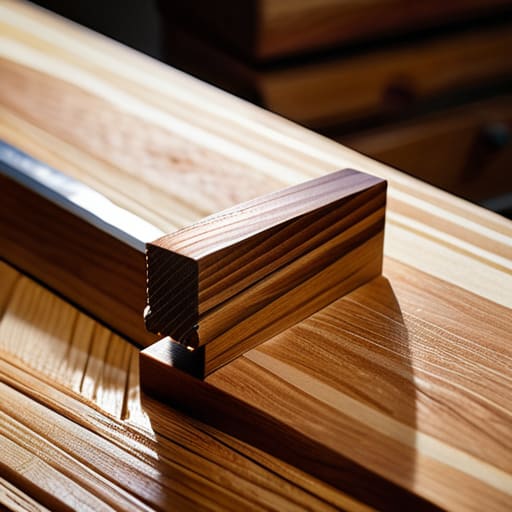
I’ve spent more years than I care to admit watching young lads rush straight for the biscuit joiner or a router when a joint isn't sitting flush. They think they’re saving time, but they’re just creating a mess that requires more sanding and more filler later on. That’s the problem with the modern approach; it’s all about brute force and high-speed bits. When you're cleaning tenon shoulders, a power tool is too aggressive. It lacks the tactile feedback you need. You can't "feel" a router bit biting too deep into the grain, but with a shoulder plane, you feel every single fiber.
If you want a truly tight mortise and tenon fit, you have to stop fighting the wood and start working with it. A shoulder plane allows for micro-adjustments that a machine simply can't match. Instead of hacking away, you're shaving off curls so thin they’re almost translucent. It’s about control, not speed. Once you master the art of adjusting plane blade depth to take nothing more than a whisper of wood at a time, you'll realize the power tools were actually slowing you down.
Perfecting Your Mortise and Tenon Fit One Shaving at a Time
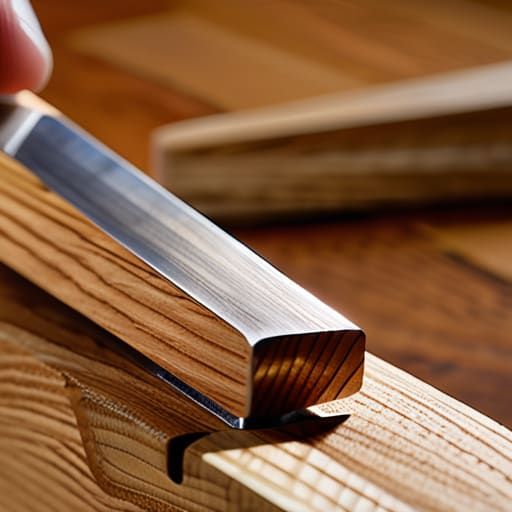
When you’re working on a mortise and tenon fit, the temptation is to go heavy with the saw or a chisel to get that joint seated. Don't. If you've gone slightly too far, don't panic and don't reach for the sandpaper; that’ll just burnish the fibers and ruin the glue bond. Instead, use the shoulder plane to take off a shaving so thin you can see through it. It’s all about adjusting plane blade depth with a steady hand. You want to be working in increments, not making massive corrections.
I’ve spent decades watching apprentices try to force a tight joint, only to split the mortise walls because they didn't respect the wood. A shoulder plane allows you to perform the final cleaning of tenon shoulders with a level of control a machine simply can't match. If the joint feels "tight" in the wrong spots, listen to the tool. A clean, crisp shaving tells you the blade is true and the shoulder is square. It’s a slow process, but it’s the only way to ensure a joint that stays tight for a lifetime.
Five Ways to Stop Fighting Your Plane and Start Making It Work
- Don't go hunting for a massive adjustment. If you’re trying to take a shaving that’s thicker than a piece of tissue paper, you’ve already lost the battle. Set the blade so shallow it barely feels like it’s cutting; you can always take more, but you can't put the wood back once you've overshot the mark.
- Watch your lateral adjustment like a hawk. If the plane is digging in on one side and skidding on the other, your blade isn't centered. A shoulder plane is a finicky beast, and if that edge isn't perfectly square to the sole, you'll spend more time correcting your mistakes than actually making progress.
- Use your body, not just your wrists. I see too many young lads trying to muscle the plane with their hands alone. You need to use your weight and a steady, driving motion from your shoulder to keep the tool moving in a straight line. If you're twitching, the joint will twitch too.
- Keep the sole clean. It sounds simple, but a bit of resin or a stray grain of sawdust stuck under the base will ruin your accuracy instantly. I wipe mine down with a bit of beeswax regularly; a smooth sole makes the difference between a tool that glides and one that stutters.
- Listen to the sound of the cut. A good shoulder plane should make a crisp, consistent 'hiss' as it moves through the grain. If it starts to chatter or thud, your blade is either dull or set too deep. If you can't hear the wood being sliced, you're just bruising it.
The Final Shaving
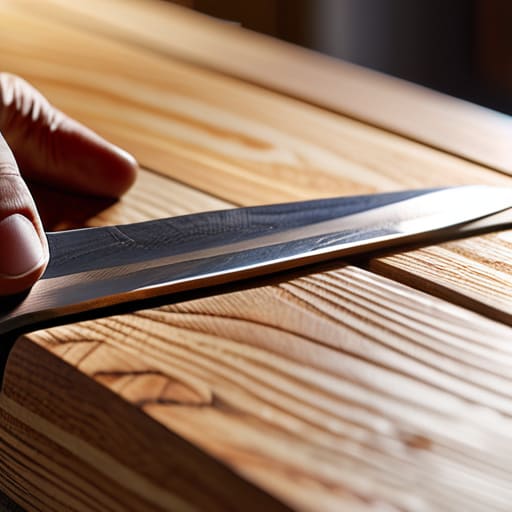
At the end of the day, mastering the shoulder plane comes down to three things: a razor-sharp iron, a steady hand, and the patience to listen to what the wood is telling you. You can’t force a joint to fit if your blade is dull or your depth adjustment is guesswork. Remember that it’s about the incremental control you gain with every pass. Whether you are cleaning up a tenon shoulder or squaring a rebate, the goal isn't just to remove material, but to do so with such precision that the fit becomes part of the wood itself, rather than something forced together by a mallet and glue.
I know the modern workshop is full of loud, convenient machines that promise to do the thinking for you, but they can't replace the feel of a well-tuned plane in your palm. There is a quiet sort of satisfaction in seeing a perfect, translucent shaving curl up from a joint you tuned by hand. Don't let the rush of a deadline rob you of that connection. Invest the time to sharpen your tools, learn the mechanics of the plane, and I promise you, you’ll find that true craftsmanship isn't about how much noise you make, but about the quiet accuracy of the finished piece.