Why the Repair Failed the First Time
 Callum Reith-Sowande
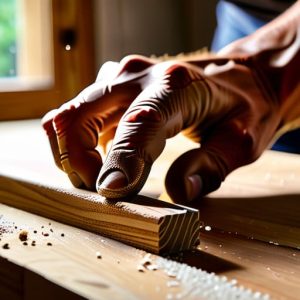
I spent three hours yesterday watching a young lad at the college try to sand his way through a stubborn patch of dried PVA, thinking if he just used a higher grit, he’d get it. He was making a mess of the timber, wasting good wood, and frankly, wasting his time. Most people think you need a chemical solvent or a belt sander to fix a mistake like that, but they’ve got it wrong. If you want to know how to remove old glue without ruining the grain, you don't reach for a machine; you reach for a properly sharpened blade.
In this guide, I’m going to show you why a keen scraper or a clean chisel is far more effective than any expensive gadget you’ll find in a hardware shop. I’ll walk you through the right tools for different types of residue and, more importantly, the steady hand technique required to lift the mess without leaving a scar. No fancy chemicals, no unnecessary dust—just honest, practical ways to get your workpiece clean and ready for a proper finish.
Guide Overview
Tools & Supplies
- Plastic scraper or putty knife for gentle lifting
- Soft cloth or microfiber towel for wiping
- Isopropyl alcohol or acetone (depending on surface) 1 bottle
- Warm soapy water 1 small bowl
Step-by-Step Instructions
- 1. First things first, you need to identify what you're actually dealing with. If it's a bit of dried PVA from a joint, you can be fairly gentle, but if it's old contact adhesive or a heavy resin, you'll need a different approach. Don't go charging in with a heavy mallet; assess the wood first to make sure you aren't about to gouge out a piece of expensive oak just to get at some rubbish.
- 2. Once you know the enemy, get your scraper ready. I don't care what the shop floor salesman tells you about orbital sanders; a sharp cabinet scraper is the only way to go here. Take a piece of steel, get it honed to a mirror finish, and ensure you have a clean, straight edge. If the scraper isn't sharp enough to shave the hair off your arm, it’s just going to smear the glue around instead of lifting it.
- 3. Work in small, controlled strokes. Start at the edge of the glue bead and work your way inward, keeping the blade at a shallow angle. You want to peel the glue away from the grain rather than digging into the timber itself. If you feel the blade "chattering" or jumping, you're either pressing too hard or your edge has gone blunt. Stop, go back to the stone, and fix it.
- 4. For those stubborn bits tucked into the corners or deep in a mortise, put the scraper aside and grab a chisel. I like using a small, well-maintained paring chisel for this. Hold it almost flat against the surface and use light, rhythmic taps with a wooden mallet. You aren't trying to chop the wood; you're just nudging the residue loose until it flakes away.
- 5. If the glue is particularly thick or brittle, a little bit of heat can do wonders. I’ve found that a warm iron—the kind you’d use for clothes—pressed briefly against a rag over the glue can soften it enough to lift. Just be careful not to leave it sitting there too long, or you'll end up with a scorched workpiece and a very expensive mistake on your hands.
- 6. Once the bulk of the glue is gone, you might find a thin, hazy film left behind. This is where people usually reach for the sandpaper, but I'd urge you to resist. Instead, take a very fine scraper or a piece of card with a bit of grit attached and scrape the film off. It’s much cleaner than sanding, which just turns the glue into a fine dust that gets driven deep into the wood pores.
- 7. Finally, give the area a thorough clean with a dry, lint-free cloth. If there's any oily residue left from whatever solvent you might have used, you need to get it out before you even think about applying a new finish. A clean, bare surface is the only way to ensure your next glue-up actually holds the way it should.
Choosing the Best Solvents for Dried Glue Without Ruining Surfaces
Now, I know what you’re thinking. You’ve got the scraper ready, but the glue is stubborn, and you’re worried about what comes next. You can’t just go throwing chemicals at every surface like you’re cleaning a kitchen floor. If you’re working on something delicate, like removing sticker residue from plastic, a harsh solvent will melt the finish before you’ve even finished your tea. I always tell my apprentices: test a tiny, hidden spot first. If the surface changes colour or goes soft, put the bottle down and find another way.
For most workshop jobs, you’ll find that the best solvents for dried glue aren't always the strongest ones. If you're dealing with something like a bit of spilled PVA on a workbench, a bit of warm water or even methylated spirits will do the trick without a fuss. If you've found yourself in a corner with something more permanent, like a cyanoacrylate, you’ll need to look into safe ways to remove super glue, usually involving acetone. But remember, acetone is a beast—it’ll eat through many finishes just as quickly as it eats the glue. Work slow, or you'll end up repairing more than just the glue spot.
Mastering the Heat Method for Glue Removal With Surgical Accuracy
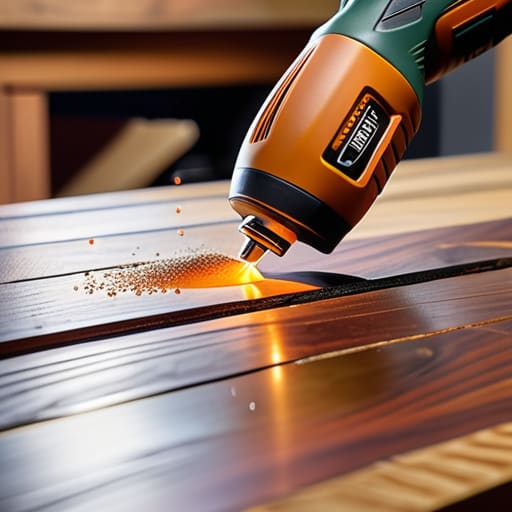
Now, if you’re working with something delicate where a solvent might leave a permanent mark, you’ll want to look toward the heat method for glue removal. I’ve spent many an afternoon at the bench using a heat gun to soften up stubborn deposits, but you have to be steady. If you go in too hot or hold it in one spot for too long, you’ll scorch the wood or warp the material faster than you can say "oops." I always recommend starting on a low setting and keeping the nozzle moving in a constant, sweeping motion. It’s about patience, not brute force.
Once that glue starts to soften and go tacky, don't go grabbing a screwdriver to pry it off. That’s how you end up with gouges that no amount of sanding will fix. Instead, use a thin, sharp chisel or a dedicated scraper. You want to peel the bond away rather than hacking at it. This approach is particularly useful when you're dealing with more sensitive tasks, like removing sticker residue from plastic or cleaning up old joinery where the grain is exposed. Just watch your temperature, and let the heat do the heavy lifting for you.
Five rules to keep from ruining your timber
- Don't go at it with a hammer and a chisel. You'll bruise the grain faster than you can say 'mistake.' Use a light touch and let the tool do the work, not your muscles.
- Test your solvent on a scrap piece first. I don't care what the bottle says; every bit of wood reacts differently to chemicals, and I've seen too many lads turn a fine piece of oak into a blotchy mess.
- Keep your scraper sharp. If you find yourself pushing harder to get through the glue, your blade is blunt. Stop, get to the stones, and come back when you can shave with it.
- Work in small sections. If you soak a large area in solvent, you're just inviting the liquid to soak deep into the fibres, and then you'll be fighting stains for the next week.
- Watch the heat. If you're using a heat gun, keep it moving. Hold it steady, but don't let it sit in one spot, or you'll scorch the wood and end up with a permanent mark that no amount of sanding will fix.
Final Thoughts on the Job
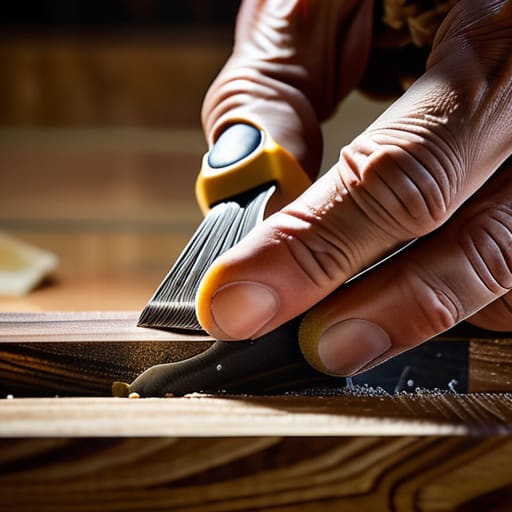
At the end of the day, removing old glue isn't about finding a magic chemical that does the work for you; it’s about knowing which tool to reach for first. Whether you've opted for the precision of a heat gun to soften up a stubborn PVA bond or used a targeted solvent to lift residue from a delicate veneer, the principle remains the same. You have to respect the material you're working on. Don't go rushing in with a heavy-handed approach that leaves the timber scarred or the finish ruined. If you've done it right, you'll find that a sharp scraper and a bit of patience will always beat a frantic attempt to sand the problem away.
I know it’s tempting to just grab the orbital sander and grind the glue into the grain, but I'm telling you, don't take that shortcut. It’s a waste of wood and a waste of your time. Take the extra ten minutes to get the glue off properly with a blade or a bit of controlled heat. When you finally lay that piece of timber back on the bench, clean and ready for a fresh joint, you'll feel the difference. There is a certain quiet satisfaction in doing a job properly, the way it was meant to be done. Stick to the old ways, keep your edges keen, and you'll never find yourself fighting your own work.