Testing a Drill on Real Holes
 Callum Reith-Sowande
I spent thirty years on-site and another ten in a classroom, and if there’s one thing that gets my goat, it’s the glossy, over-polished nonsense you see in tool catalogues. You’ll see some lad on a video, grinning from ear to ear, claiming a drill is "revolutionary" just because it has a fancy LED light or a brushless motor that sounds like a jet engine. They talk about torque ratings and RPMs like they’re reading a bloody grocery list, but they never tell you if the chuck slips when you’re halfway through a heavy timber joint. If you want to learn how to review a cordless drill honestly, you have to stop looking at the spec sheet and start looking at how the tool actually behaves when the job gets difficult.
I’m not here to sell you on a brand or chase likes. My promise to you is simple: I’m going to tell you how to test a drill based on real-world fatigue and grit. We aren't going to care about the marketing fluff; we’re going to look at grip, balance, and whether that battery actually holds its charge when the weather turns sour. I'll show you how to spot the difference between a tool built to last and a piece of disposable plastic disguised as professional gear.
Ignoring the Marketing Fluff for Real Power Tool Testing Standards
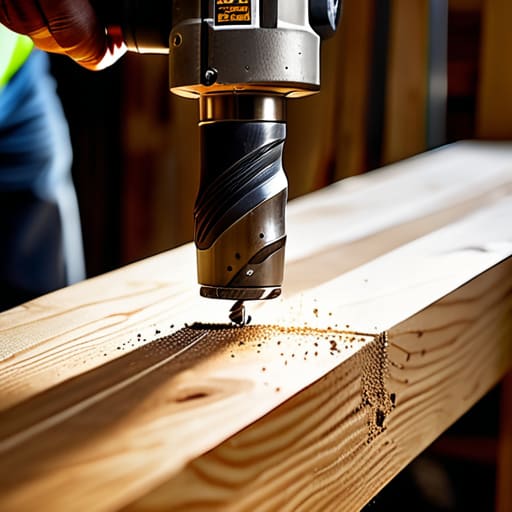
You’ll see these glossy brochures filled with numbers that mean nothing once you’re actually on a job site. They’ll talk about torque ratings and RPMs like they’re selling you a sports car, but those figures don't tell you if the tool will quit on you halfway through a heavy timber frame. To get a real sense of what you're holding, you have to look past the bright packaging. I don't care about the theoretical maximum; I care about consistent torque under load. If a drill claims to be a powerhouse but the motor bogs down the moment you hit a knot in some oak, then those marketing numbers are just fairy tales.
When I'm looking at evaluating brushless motors, I’m not looking at the sticker price. I’m looking for how the tool manages heat and whether it maintains its pace during a long stretch of work. A decent tool shouldn't feel like it's gasping for air after ten minutes. You need to test the actual cordless drill performance metrics by putting it through a repetitive task—driving long screws into seasoned hardwood—rather than just checking it off a spec sheet. If it can't handle the grunt work without stalling, it's not a tool; it's a toy.
Evaluating Brushless Motors Instead of Trusting the Box
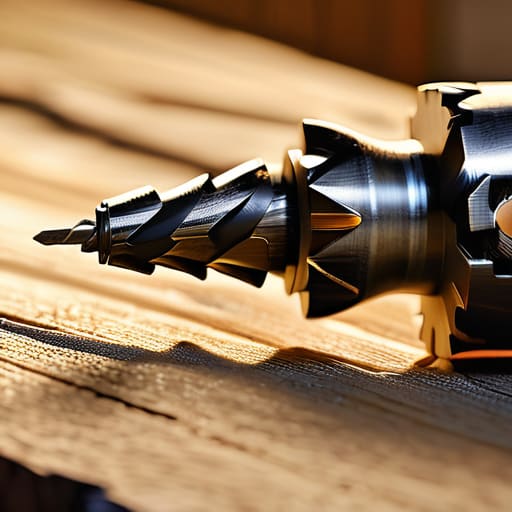
The box will tell you all sorts of nonsense about "advanced technology," but a sticker doesn't drive a screw. When you're evaluating brushless motors, you need to look past the fancy labels and see how the tool actually behaves under load. A cheap motor might spin fast enough when you're holding it in the air, but the moment you put a long timber screw into a piece of seasoned oak, you'll see the truth. If the motor starts to whine or loses its rhythm, it lacks the torque required for real site work.
I don't care about the theoretical cordless drill performance metrics they print in the glossy brochures. I care about whether the tool bogs down when I’m halfway through a heavy-duty task. A proper brushless motor should provide a steady, consistent pull without the stuttering you get from those old brushed versions. If the tool struggles to maintain its speed when the resistance builds, it’s not a professional-grade machine; it’s just a glorified screwdriver that'll leave you frustrated before lunch.
Five Ways to Tell if a Drill is Worth Your Wages
- Forget the torque numbers on the sticker; put a long bit into a piece of seasoned oak and see if the motor bogs down when you apply pressure.
- Check the chuck for wobble, not just the grip; a drill that spins a bit off-centre is useless for anything requiring a bit of precision.
- Don't just listen to the hum; a high-pitched whine under load tells you the gears are struggling, no matter how many lights they put on the casing.
- Test the trigger response; if it’s all or nothing with no fine control, you’ll end up driving your screws halfway into the timber before you can stop.
- Weigh it in your hand for more than a minute; if it feels unbalanced or the battery sits heavy on one side, you'll be feeling that ache in your wrist by lunchtime.
The Bottom Line on Real Power
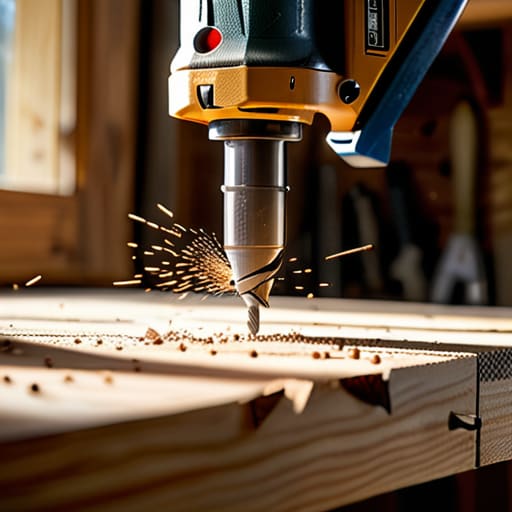
At the end of the day, reviewing a drill isn't about reading a glossy brochure or counting how many features a company can cram into a plastic casing. You’ve got to look past the marketing and see if the tool actually holds its own when the work gets heavy. It comes down to whether the motor bogs down under load, if the battery life is a genuine promise or just a calculated lie, and if the build quality suggests it’ll be sitting in a landfill in two years. If you can't test the torque against real resistance, you aren't reviewing a tool; you're just repeating a sales pitch.
I know I spend more time with a hand plane and a bit of honing oil than I do with a cordless kit, but I respect a machine that does its job without fuss. Don't let the shiny new tech distract you from the fundamentals of reliability and honest performance. A tool is an investment in your craft, and you owe it to yourself to buy something that lasts. Whether you're driving a screw or cutting a joint, you want a tool you can trust to finish the job. Work hard, buy smart, and keep your tools in good nick.