Teaching the First Hour
 Callum Reith-Sowande
I remember standing in the workshop back at the college, watching a lad try to force a blunt chisel through a piece of seasoned oak. The wood wasn't yielding, his face was turning a bright, dangerous shade of red, and I could see his grip tightening in a way that usually precedes a slip. Most people think teaching is about handing over a manual or a fancy piece of protective gear, but they’ve got it wrong. If you want to learn how to teach a beginner safely, you have to realize that safety isn't found in a plastic guard; it's found in the respect for the edge.
I’m not here to give you a list of corporate-approved platitudes or tell you to buy the most expensive workshop setup on the market. I’m going to tell you what I learned from forty years on the tools and a decade in the classroom. I’ll show you how to build their confidence without letting their ego outrun their skill, and why a sharp tool is the most important safety device they'll ever own. We're going to focus on the fundamentals of control, because a steady hand is worth more than any safety seminar.
Mastering Risk Management in Instruction
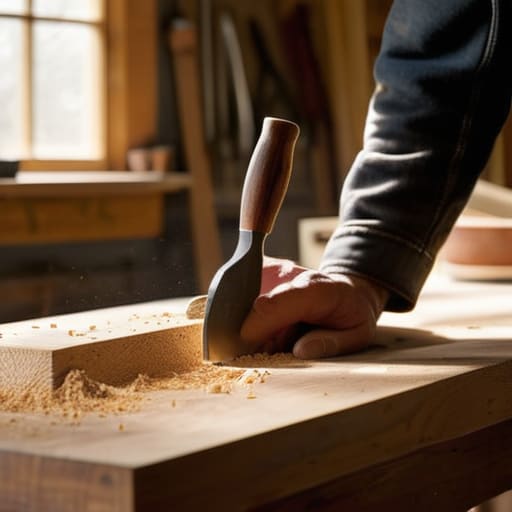
When I was teaching at the college, I saw it all the time: a lad gets a bit of success with a chisel and suddenly thinks he’s a master. That’s when the trouble starts. Real risk management in instruction isn't about handing out a thick manual and walking away; it’s about being there to catch the moment their confidence outstrips their competence. You have to watch their hands, not just their eyes. If they aren't respecting the edge, they aren't ready for the work.
I always leaned on gradual skill progression to keep the accidents at bay. You don't hand a novice a razor-sharp plane and expect a perfect joint on day one. You start them with the basics of stance and grain direction, making sure they understand that a tool only goes where you tell it. It’s about building that muscle memory slowly. If you rush the skill acquisition stages, you aren't teaching them a craft; you're just teaching them how to be reckless. Keep the pace steady, and the safety will follow.
Designing Effective Beginner Safety Protocols
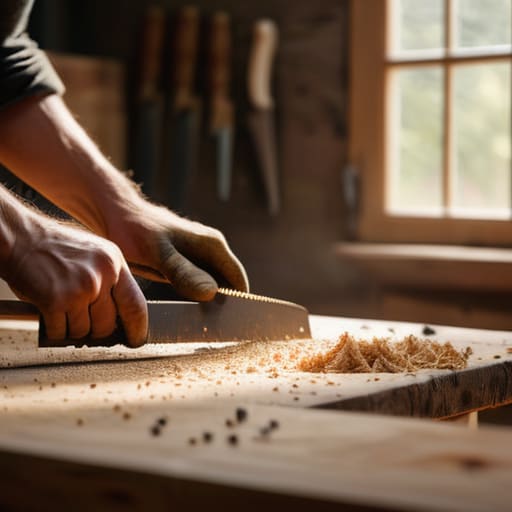
You can't just hand a lad a tenon saw and hope for the best. Designing effective beginner safety protocols starts with the understanding that a workshop is a living, breathing environment, not a classroom with padded corners. I always tell my students that their first job isn't to make a joint, but to learn the boundaries of the tool. You have to build a framework where they understand the consequences of a lapse in concentration before they ever make a cut. It’s about setting rules that aren't just about following orders, but about respecting the steel in their hands.
This requires a very deliberate approach to gradual skill progression. I don't let them touch a chisel until they can demonstrate they know how to pass it, how to hold it, and—most importantly—how to clear the shavings without their fingers being in the line of fire. You move from the simplest tasks to the more complex ones only once the basics are muscle memory. If you rush the stages of skill acquisition, you aren't teaching; you're just waiting for an accident to happen.
The Five Rules for Keeping Fingers Attached
- Start with the hand tools. If a lad can't control a chisel without fighting it, he has no business touching a router. Teach them that a sharp edge is a predictable edge; a dull one is just a heavy piece of metal waiting to slip and do something permanent.
- Watch their hands, not their face. A beginner will often look at the instructor or the finished piece while they're working, forgetting that the danger is happening right under their nose. If their eyes aren't on the point of contact, stop them immediately.
- Make them respect the "No-Go Zones." Every machine has a place where a finger shouldn't be, and I don't care how much they want to "just nudge it into place." If they can't explain where the danger zone is, they aren't allowed to flip the switch.
- Don't let them rush the setup. I've seen too many apprentices try to make up for a lack of skill by moving faster. Speed comes from competence, not haste. If they haven't checked their clamps and their guard twice, they haven't started yet.
- Teach them to clean as they go. A workshop floor covered in shavings and offcuts is a trip hazard waiting to happen. A messy bench leads to a messy mind, and a messy mind is how accidents find their way into a shop.
Passing the Torch Without Losing a Finger
At the end of the day, teaching a beginner isn't about memorising a list of "don'ts" from a safety manual; it’s about building a foundation of respect for the material and the tools. We’ve talked about managing the risks, setting proper protocols, and making sure they don't get ahead of themselves. If you manage the environment well and keep a steady eye on their technique, you aren't just preventing accidents—you’re teaching them how to work with intention. You want them to understand that a tool is an extension of their hand, not some mindless machine that does the thinking for them. Keep your instructions plain and direct, and never let them skip the fundamentals just because they're eager to see a finished piece.
I’ve spent forty years on site and another ten in the classroom, and if there is one thing I’ve learned, it’s that a craftsman is built one careful cut at a time. Don't be discouraged if they struggle at first; precision takes time, and patience is just as important as a keen edge. Your goal isn't just to produce a worker who can follow a blueprint, but to foster a person who values the craft enough to maintain their tools and respect their workspace. If you do your job right, you won't just be teaching them how to join wood; you'll be teaching them how to work with discipline, and that is a lesson that will serve them long after the sawdust has settled.