Storing Boards So They Stay Flat
 Callum Reith-Sowande
I remember one particular winter back when I was teaching at the college, looking out at a stack of oak that a lad had left leaning against a damp brick wall. He’d spent a fortune on the material, but by the time we went to plane it, the boards had twisted so badly they were practically useless. It’s a bitter pill to swallow when you realize you haven't just wasted wood; you've wasted time. Most people think they can just lean a few planks against the shed and call it a day, but if you don't understand how to store timber properly, you're just inviting a headache into your workshop.
I’m not here to sell you on some fancy, climate-controlled warehouse system or expensive chemical sprays that promise the earth. I’ve spent forty years on site and another ten in the classroom, and I’ve learned that keeping wood straight comes down to a few common-sense principles and a bit of patience. I’m going to show you how to set up a proper rack, why airflow is your best friend, and how to prevent the warping that ruins a good piece of work before you even pick up a chisel.
Mastering the Lumber Seasoning Process Without the Guesswork
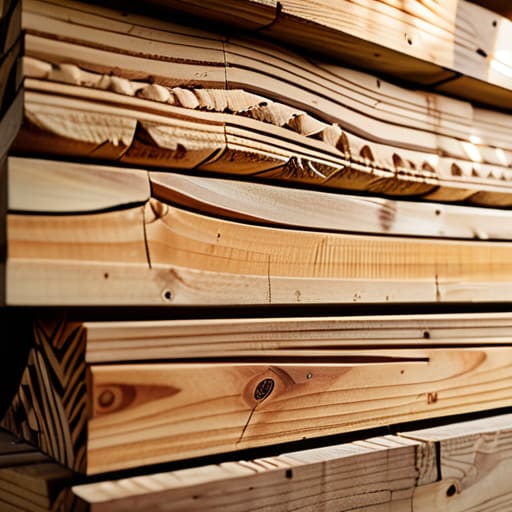
Now, you can’t just grab a load of green wood and expect it to behave like seasoned stock. If you try to plane a board that’s still holding onto its moisture, you’re just wasting your time and your edge. The lumber seasoning process isn't something you can rush with a heater or a deadline; it’s about patience. You have to let the moisture leave the cells naturally. If you force it, you’ll end up with cracks and splits that no amount of glue can fix.
The trick is to keep things moving. I always tell my students that air is your best friend in the shed. You need to use proper timber ventilation techniques—stacking your boards with thin strips of wood, what we call stickers, between every single layer. This ensures air can flow through the whole pile, not just around the outside. If you pack them too tight, you’ll trap moisture in the middle, and before you know it, you’re protecting wood from rot instead of preparing it for the bench. Keep it steady, keep it airy, and let the wood do the work.
Timber Ventilation Techniques That Keep Your Stock Straight
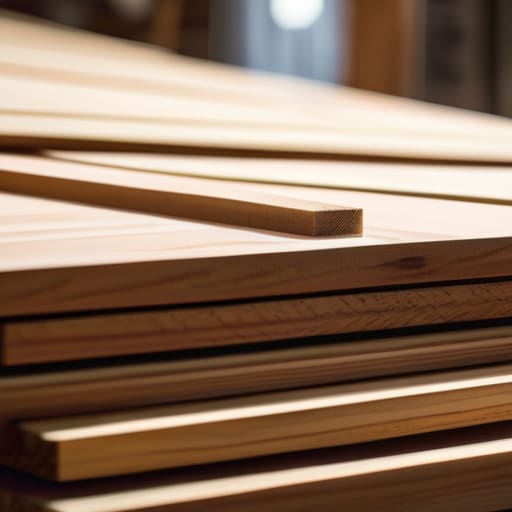
If you stack your boards tight against a wall or pile them up without any air moving through the middle, you’re just asking for trouble. You need to create a gap between every single layer. I always use small, uniform strips of scrap wood—what we call stickers—to separate the boards. This isn't just about being tidy; it's about preventing wood warping by ensuring air can flow freely around every face of the timber. If the air gets trapped, you'll end up with uneven drying, and that’s when your straight boards start twisting like a corkscrew.
When you're setting up your stack, pay attention to where the air is actually moving. If you're working in a shed or a damp outbuilding, don't just shove the stack into a corner. You want a bit of a breeze to help with the lumber seasoning process. I've seen too many lads ruin a good batch of oak because they thought they were saving space by crowding the stock. Give it room to breathe. It takes a bit more patience and a bit more floor space, but it’s much better than spending your afternoon trying to plane a board that’s gone wonky.
Five rules for keeping your wood from turning against you
- Get it off the floor. If you lay your boards directly on a concrete slab, they’ll suck up moisture like a sponge and bow before you’ve even picked up a saw. Use some scrap timber or sturdy bearers to keep the stack elevated.
- Use stickers like your life depends on them. You can't just stack wood flat; you need thin, even strips of wood—what we call stickers—placed between every layer. This lets the air move through the whole pile, not just the top.
- Keep the spacing consistent. When you're setting your stickers, make sure they're lined up vertically from the bottom to the top. If one is off-center, you're just asking for a twist in the grain that no amount of planing will ever fix.
- Watch the weather, but don't overdo it. A bit of airflow is your friend, but if you leave your good stock out in a driving rainstorm, you're wasting your time. Find a spot that's covered but still lets the breeze get in there.
- Don't rush the seasoning. I see youngsters try to work with wood that's only been sitting for a week. It’ll look fine until the moment you cut it, and then it’ll move. Let it sit, let it settle, and let it reach equilibrium with the room.
Don't waste your time fighting the wood
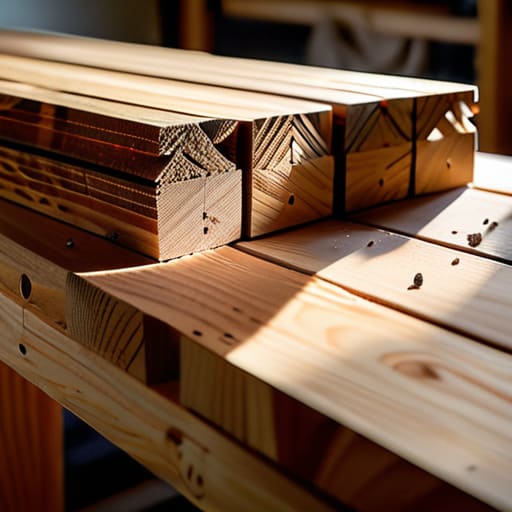
At the end of the day, storing your timber isn't some luxury for the high-end furniture makers; it’s the foundation of every decent joint you'll ever cut. If you’ve taken the time to keep your stock off the damp ground, stacked it with a bit of breathing room, and let the air move through it, you’ve already done half the work. You can have the sharpest chisel in the world, but if you're trying to plane a board that’s twisted like a corkscrew because it was left in a pile in the shed, you’re just wasting your breath and your energy. Proper seasoning and ventilation are what stand between a productive afternoon in the shop and a frustrating battle against warped grain.
I’ve spent forty years watching lads rush through the prep work only to curse the material when it fails them later. It’s a hard lesson to learn, but the wood tells you exactly what it needs if you’re patient enough to listen. Treat your timber with a bit of respect from the moment it enters your workshop, and it’ll reward you when you finally put steel to grain. It’s about more than just saving a few boards; it’s about mastering your medium so that when you finally pick up your tools, the only thing you have to focus on is the cut itself.