Setting Up a Workshop in Three Phases
 Callum Reith-Sowande
I’ve lost count of how many young lads I’ve seen walk into a hardware store, eyes glazed over by the bright packaging, ready to drop three grand on a suite of cordless tools that’ll be obsolete in five years. They think a big bank balance is the same thing as a proper workshop, but they’re dead wrong. Most of those "all-in-one" starter kits are nothing more than expensive plastic rubbish designed to be thrown away the moment a bearing goes. If you’re looking for advice on how to budget a workshop setup, you need to stop thinking about what's shiny and start thinking about what's lasting.
I’m not here to sell you on some fancy, automated system that does the thinking for you. I’m going to tell you exactly where to put your money and, more importantly, where to hold onto it. I'll show you how to build a workspace around quality hand tools and sturdy, repairable kit that will still be working long after the fancy power tools have ended up in a landfill. This isn't about buying more; it's about buying right the first time.
A Lean Workshop Tool Investment Strategy
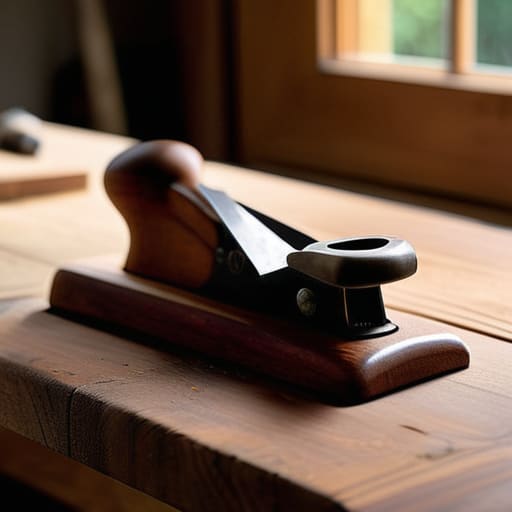
When you start planning your workshop tool investment strategy, the biggest mistake is thinking you need a table saw and a planer before you’ve even cut a straight line. I spent forty years seeing lads buy every shiny gadget in the catalogue, only to realize they couldn't afford the timber to actually use them. Instead, focus on the foundation. You don't need a fleet of power tools; you need a solid workbench and a set of quality hand planes. If you invest your money in tools that can be maintained and sharpened, you aren't just buying equipment—you're buying a lifetime of use.
One of the smartest ways to manage your workshop startup expenses breakdown is to look toward the second-hand market. I’ve always said there’s more wisdom in an old, heavy Stanley plane than in a modern plastic imitation. Buying used workshop tools isn't just about saving a few quid; it’s about getting steel that has some soul and weight to it. You can find incredible, old-school ironmongery at auctions or estate sales for a fraction of the cost of new gear. Just make sure you have the patience to clean them up and get them back to a working edge.
The Real Workshop Startup Expenses Breakdown
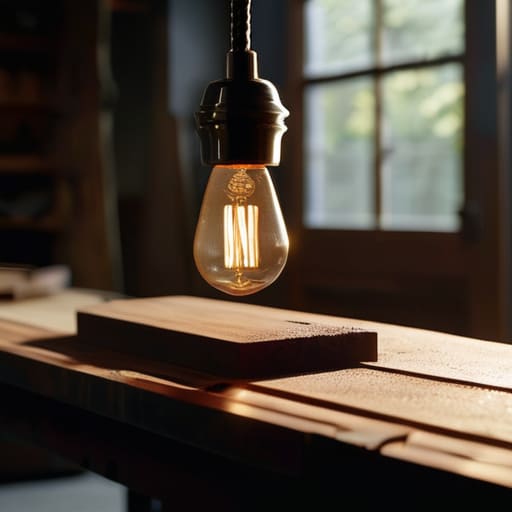
Now, let's get into the grit of it. When you look at a workshop startup expenses breakdown, most people make the mistake of looking at the big, shiny machines first. They see a table saw or a planer and think that's where the money goes. It isn't. If you're starting from scratch, your biggest drain won't be the heavy lifting; it’ll be the "hidden" stuff. I’m talking about workshop lighting and electrical costs. You can have the finest chisel in the world, but if you're working in a dim corner with a single, flickering bulb, you're going to make a mistake, and a mistake in joinery usually costs more than the tool itself.
Beyond the lights, you need to account for the consumables and the basics. Don't forget the workbench—it doesn't need to be a piece of fine furniture, but it needs to be heavy and dead flat. I’ve always found that buying used workshop tools is the smartest way to stretch a pound. A twenty-year-old Lie-Nielsen or even an old Stanley from a car boot sale, once you've given it a proper regrind, will outwork any plastic rubbish you'll find in a modern big-box store. Focus on the bones of the shop first.
Five Ways to Keep Your Wallet from Bleeding
- Buy used, but buy smart. I’ve spent more time at car boot sales and estate auctions than in big-box hardware stores. You can find a vintage Stanley plane or a solid Lie-Nielsen for a fraction of the retail price, provided you aren't afraid of a bit of rust. A bit of oxidation is easy to scrub off; a cheap, modern tool made of soft pot-metal is a lost cause.
- Invest in the edge, not the brand name. You don't need a gold-plated chisel to get a clean join. You need a decent piece of steel and the patience to sharpen it. I'd rather have three well-made, high-carbon steel chisels that I can hone myself than a twenty-piece set of cheap rubbish that won't hold an edge for more than ten minutes.
- Stop the "just in case" spending. I see youngsters buying every specialized jig and gadget they see on the internet before they've even mastered a basic dovetail. If you don't have a specific, repeatable need for a tool today, leave it on the shelf. Most of those "time-saving" gadgets are just expensive ways to avoid learning the craft.
- Prioritize your bench over your machines. A sturdy, flat, heavy workbench is the foundation of everything you do. You can make a lot of progress with just a hand saw and a mallet if your bench is true. You'll make very little progress with a high-end table saw if your workspace is cluttered and your foundation is wobbly.
- Budget for the consumables you actually use. People forget that sharpening stones, glue, and high-quality timber aren't one-off purchases. I always set aside a small portion of my workshop fund for the things that disappear as you work. There's nothing more frustrating than having a beautiful piece of oak ready to go and realizing you've run out of decent PVA or your honing oil is bone dry.
The Long View on Your Workshop
At the end of the day, budgeting for a workshop isn't about finding the cheapest way to fill a room with noise; it's about making sure every penny you spend actually serves the work. We've looked at how to avoid the trap of expensive, disposable power tools and how to prioritize the essentials that actually build skill. If you focus your money on high-quality hand tools that you can maintain, sharpen, and repair yourself, you aren't just saving money in the long run—you are investing in precision and longevity. Don't let a shiny new gadget distract you from the fact that a well-maintained chisel will always outlast a cheap, plastic-cased sander.
Building a workshop is a slow process, and it should be. You don't need a showroom overnight to be a proper craftsman; you just need the right foundation. I've spent forty years on sites and in classrooms, and I can tell you that the most respected men in the trade aren't the ones with the most expensive setups, but the ones who understand their tools inside and out. Start small, buy things that last, and remember that true mastery is built one careful cut at a time. Get to work.