Reviewing for Someone Starting Out
 Callum Reith-Sowande
I spent forty years on-site and another ten in the classroom, and if there’s one thing that gets my blood up, it’s the way modern "experts" try to teach you how to review tools for a beginner by reading off a spec sheet. They’ll talk to you about torque, RPMs, and battery voltages like those numbers actually mean a damn thing when you’re mid-cut. They treat tools like disposable gadgets, but a real tool is an extension of your arm. If you’re looking for a review that tells you which shiny new plastic box has the most buttons, you’ve come to the wrong place; I don't care about the bells and whistles, I care about how the steel behaves when it meets the grain.
I’m not here to sell you on a brand or a flashy marketing campaign. My promise to you is simple: I’m going to show you how to look past the packaging and test the soul of a tool. We’ll talk about balance, repairability, and whether that edge will actually hold up when the work gets heavy. I’ll give you the straight truth on how to review tools for a beginner based on decades of actual sawdust, not a laboratory test. If you can't fix it, you shouldn't be buying it.
Mastering Beginner Gear Assessment Over Hype
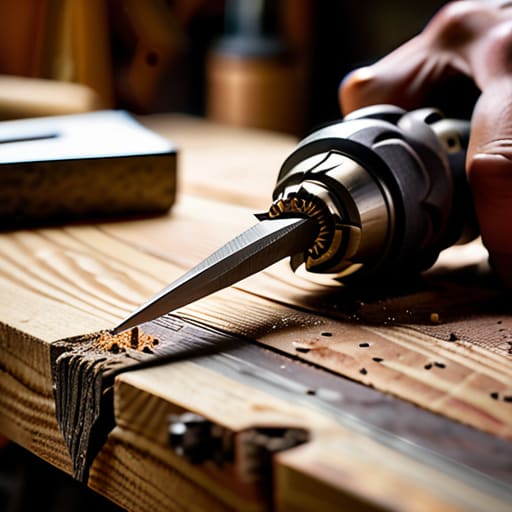
When you’re starting out, every shiny new box in the shop window looks like it’ll solve all your problems. The marketing tells you it’s "professional grade" or "indestructible," but I’ve spent forty years watching those claims crumble under a bit of real work. To get anywhere, you need a proper beginner testing methodology that ignores the glossy packaging. I don't care how many features a drill has if the chuck slips the moment you apply pressure. You have to look past the hype and see if the tool actually holds its edge—or its grip—when things get a bit messy.
Instead of getting swept up in the latest trends, focus on evaluating product quality through the lens of longevity. I always ask myself: can I fix this when it breaks? If a tool is held together by glue and cheap plastic, it isn't a tool; it's a disposable bit of rubbish. When you're assessing gear, look at the weight, the balance, and how the components feel in your hand. If it feels flimsy now, it’ll be in the skip in six months.
Establishing Your Essential Review Criteria
When you sit down to look at a new piece of kit, don't just look at the shiny finish or the brand name on the handle. You need to set your own essential review criteria before you even pick the tool up. I’ve spent forty years seeing blokes buy a tool because the box looked professional, only to find the steel is soft as butter and won't hold an edge for more than ten minutes. You have to decide what matters: Is the handle balanced? Can the blade be reground if it chips? If you can't see a way to maintain it, it isn't a tool; it's just a future bit of landfill.
I always tell my students that a good beginner testing methodology starts with the basics of feel and durability. Don't get bogged down in complex tool performance metrics that you can't actually measure in a home workshop. Instead, focus on how the tool reacts to the wood. Does it bite too deep, or does it glide? If you can't feel the grain through the handle, the tool is fighting you, not working with you. That’s the only metric that truly counts.
Five Rules for Cutting Through the Noise
- Look past the shiny finish. A tool might look grand on a showroom shelf, but you need to see how it holds up after a week of actual work. If the steel is soft or the handle feels like cheap plastic, it doesn't matter how much it cost; it's rubbish.
- Test the balance, not just the weight. I've seen plenty of lads buy heavy tools thinking they’re "substantial," only to find they can't hold them steady for more than ten minutes. A tool should feel like an extension of your arm, not a weight you're fighting.
- Check if it can be fixed. This is my big one. If a manufacturer makes a tool that’s sealed shut or uses proprietary parts you can't replace, walk away. A good tool is an investment that should last a lifetime, provided you can sharpen it and fix it when it needs it.
- Listen to the feedback. When you're reviewing something, pay attention to how it talks to you. Does a chisel bite into the wood, or does it skid? Does a plane leave a smooth shaving or a ragged mess? If you can't "feel" the work through the tool, it’s not worth your time.
- Ignore the "features" list. Manufacturers love to list twenty different bells and whistles to distract you from poor quality. I don't care if a saw has a fancy ergonomic grip if the teeth don't cut true. Stick to the basics: does it do the job, and does it do it well?
Don't Buy the Hype, Buy the Tool
At the end of the day, reviewing tools isn't about reading a spec sheet or watching some lad on the internet shout about how much power a drill has. It’s about whether that tool actually works for the task at hand and, more importantly, if it’s built to last. You’ve learned to look past the flashy packaging, to test the weight in your hand, and to ask yourself if you can actually maintain the thing once it gets dull or worn. If you can’t sharpen it, fix it, or understand how it’s put together, you aren't buying a tool—you’re just buying expensive rubbish that's destined for a landfill.
Don't let the sheer volume of gear out there intimidate you. You don't need a shed full of every gadget under the sun to do good work; you just need a few honest pieces that respond to your touch. Start small, trust your own senses over a glossy advertisement, and remember that the best tool is the one that becomes an extension of your own hand. Once you stop chasing the latest trend and start focusing on true quality, you’ll find that the work becomes easier, the results become cleaner, and you'll finally start to see why a bit of patience and a sharp edge beat a loud motor every single time.