Pin Versus Pinless Moisture Meters
 Callum Reith-Sowande
I’ve spent forty years on-site and another ten in the classroom, and if there is one thing that gets my blood up, it’s the way modern tool reviews treat a moisture meter like it’s some sort of high-tech space probe. You’ll see these glossy websites talking about "data integration" and "cloud-based diagnostics," but they never tell you if the pins will snap the first time you hit a knot of oak or if the reading lags so much you’ve finished the room before the screen updates. If you want to learn how to review a moisture meter properly, you have to stop looking at the spec sheet and start looking at how the tool actually behaves when the work gets heavy.
I’m not here to sell you on a gadget just because it has a fancy backlight or a digital display that looks good in a catalogue. My promise to you is simple: I’m going to show you how to strip away the marketing fluff and test for what actually matters—accuracy, durability, and speed. We’re going to look at these tools the way I look at a chisel; if it isn't reliable and you can't trust the result, it's nothing more than expensive scrap metal taking up space in your kit.
Prioritizing Moisture Meter Accuracy Testing Over Raw Speed
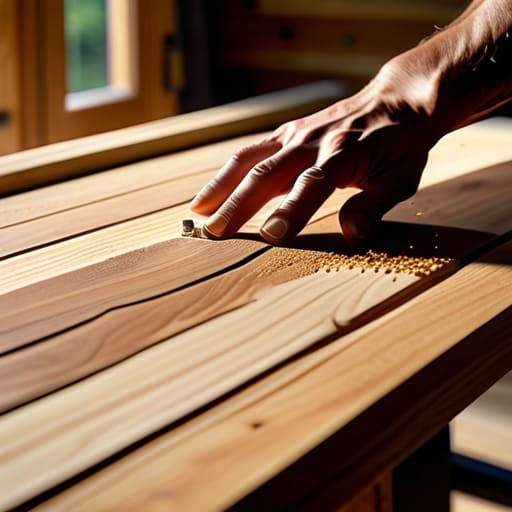
Most fellas see a digital screen flashing numbers and think the job is done. They grab a cheap unit, poke it into a piece of oak, and move on. That’s a mistake. I’ve seen too many lads build a fine set of cabinets only to have the timber warp six months later because they relied on a reading that was off by three percent. When you’re doing your moisture meter accuracy testing, you aren't looking for how fast the numbers pop up on the display; you're looking for whether those numbers actually mean something.
Speed is a trap. A tool that gives you a fast, incorrect reading is worse than no tool at all. I always insist on checking the moisture meter reading reliability against a known standard—a piece of seasoned timber I’ve kept in my shop for years. If the device can't match that baseline, it doesn't matter how many bells and whistles it has. You want a tool that respects the wood, not one that just tries to impress you with a quick, hollow digit.
Evaluating Sensor Sensitivity for Precision Wood Moisture Content Measureme
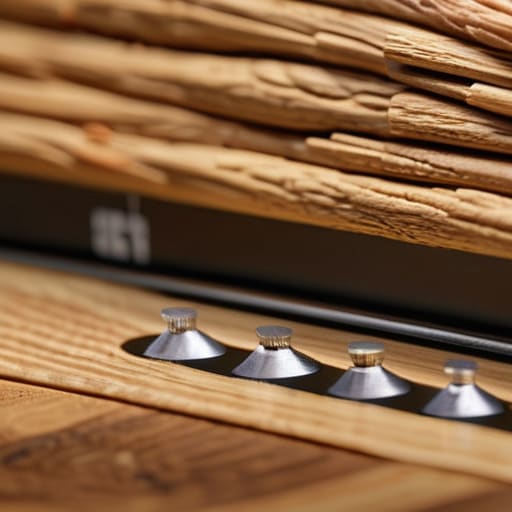
When you’re checking a piece of seasoned oak or a bit of reclaimed timber, you aren't looking for a rough guess; you’re looking for the truth. This is where sensor sensitivity evaluation becomes the real test of a tool. A cheap meter might tell you the wood is "fine" because it can't detect the subtle shifts in density, but that's a dangerous way to work. If the sensors are sluggish or lack the finesse to pick up on slight variations, you'll end up installing timber that'll warp or shrink the moment it hits a heated room.
I’ve seen too many lads rely on those plastic gadgets that only scratch the surface. For proper wood moisture content measurement, you need to see how the device reacts to different species and grain directions. If you can't trust the sensor to give you a consistent reading across a single board, the tool is nothing more than a paperweight. You want a sensor that feels responsive—something that doesn't require you to mash the pins into the grain just to get a decimal point to move.
Five Things That Actually Matter When You’re Putting a Meter to the Test
- Check the consistency across the board. I don’t care if a meter gives me one perfect reading; I want to see if it gives me that same reading five times in a row on the same piece of seasoned oak. If the numbers are jumping around like a nervous apprentice, you can’t trust it.
- Look for how it handles different species. A meter that works fine on pine might lie straight to your face when you’re working with something denser like teak or mahogany. A proper review needs to test the sensor against more than just the soft stuff.
- Test the depth of penetration. Some of these cheap digital gadgets only scratch the surface, telling you the wood is dry when the core is still holding onto dampness. You need to know if the pins are actually getting into the heart of the timber or just reading the surface skin.
- See how much it fights you. A good tool should feel like an extension of your hand, not a clunky piece of plastic you have to wrestle with. If the interface is so complicated that you need a manual just to check a door frame, it’s not a tool—it’s a nuisance.
- Verify the build quality for the workshop. I’ve seen plenty of "professional" meters that crack the moment they hit a workshop floor. If it isn't built to withstand a bit of dust and the occasional bump, it's just another consumable destined for the scrap heap.
Making the Right Call
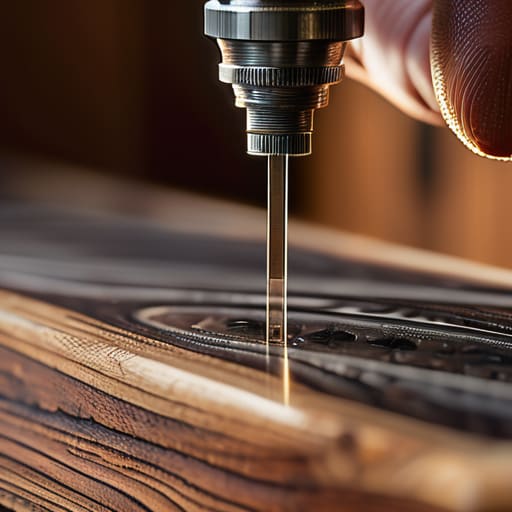
At the end of the day, reviewing a moisture meter isn't about looking at the flashiest digital display or how fast the numbers jump around. It’s about knowing you can trust what the screen is telling you before you commit a piece of expensive timber to a joint. You’ve got to look past the marketing and focus on the actual accuracy and how the sensor handles different wood densities. If a meter is too blunt to give you a precise reading, it’s no better than a dull chisel—it might get the job done eventually, but you’ll spend more time fixing mistakes than you would have spent just doing it right the first time. Don't settle for a tool that treats moisture readings like a rough estimate; you need precision.
I’ve spent forty years seeing men rush through jobs with power tools, only to find their work warping a season later because they didn't respect the material. A good meter is your eyes when you can't see what's happening inside the grain. Invest your time in testing for sensitivity and reliability, because true craftsmanship is built on the foundation of knowing your stock. A tool is only as good as the man using it, but a tool that lies to you is a liability you can't afford. Buy something you can rely on, and treat it with respect, and it'll serve you well for a lifetime.