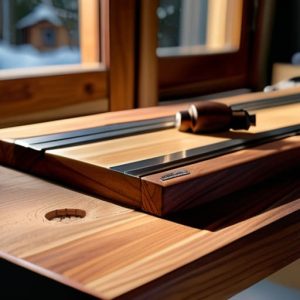
Opening Up Someone Else's Work
 Callum Reith-Sowande
I remember sitting in my workshop last Tuesday, staring at a mahogany vanity someone had dropped off. It was a mess of modern, flimsy joinery and cheap, plastic-coated veneers that felt more like cardboard than wood. People today seem to think that once a piece of furniture loses its luster or a joint goes loose, it’s destined for the skip. They’ve been conditioned to believe that knowing how to repair something you did not build requires a degree in engineering or a shop full of expensive, computerized gadgets. That's a load of rubbish. Most of the time, the problem isn't that the item is broken beyond repair; it's just that the person who made it didn't respect the material, and now you're stuck cleaning up their laziness.
I’m not here to sell you on some complicated, high-tech fix that requires a specialized kit you'll only use once. I’m going to show you how to look at an object, understand its bones, and use your hands to bring it back to life. We’ll focus on the fundamentals—understanding grain, identifying old adhesives, and knowing when to use a steady hand instead of a heavy machine. My promise is simple: I’ll give you the straight-talking truth based on forty years of seeing what holds and what fails.
Mastering Reverse Engineering Techniques for Foreign Designs

When you’re staring at a piece of furniture or a tool that wasn't made by your hands, you can't just go in swinging. You have to start by understanding assembly logic. I’ve spent many an afternoon sitting with a piece of old joinery, tracing the way the tenons meet the mortises or how a screw was driven into a grain. You aren't just looking at the object; you're looking for the intent of the person who put it together. If you don't respect how it was joined, you'll likely split the wood trying to undo a mistake you didn't even make.
This is where you need to get methodical with your reverse engineering techniques. I don't mean anything fancy with computers; I mean using your eyes, your hands, and a bit of patience. Start by identifying materials and fasteners—is that a modern wood screw masquerading as an old hand-cut nail, or is it genuine? You need to perform a bit of a structural integrity assessment before you even pick up a chisel. If the core is rotten or the frame is warped, no amount of clever fixing will make it right. Feel the weight, check the tension, and listen to what the material tells you.
Identifying Materials and Fasteners With Surgical Precision
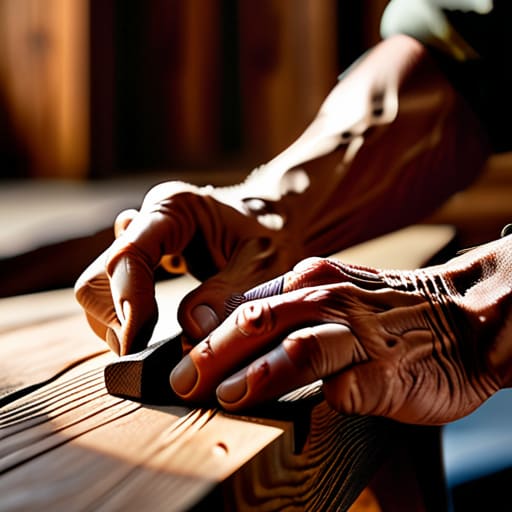
Before you even think about picking up a chisel or a driver, you need to know exactly what you're fighting against. I’ve seen too many lads rush in, only to find they’ve stripped a screw head or cracked a piece of timber because they didn't stop to look. You aren't just looking at a piece of furniture; you are performing a structural integrity assessment with your eyes and your hands. Run your fingers along the grain or the joinery. Is it solid oak, or is it that modern, pressed-up rubbish masquerading as wood? If you can't tell the difference by touch, you've already lost the battle.
Once you've got a feel for the substance, look at how it’s held together. This is where understanding assembly logic becomes your best tool. Don't just assume a screw is a standard wood screw; it might be a specialized fastener designed to hide a specific flaw. I always take my time identifying materials and fasteners before I apply any force. If you can't see the head clearly, don't force it. Use a bit of light, maybe a magnifying glass, to see if it’s a Phillips, a Pozidriv, or something far more temperamental. If you treat a legacy system like a modern kit, you'll end up breaking what you were meant to fix.
Five rules for when you're staring at someone else's handiwork
- Don't go in swinging. Before you pick up a tool, spend ten minutes just looking at how the thing was put together. If you don't respect the original maker's logic, you'll only end up making more work for yourself.
- Respect the fastener. I've seen too many blokes strip a screw head because they tried to force a Phillips bit into a Pozidriv. If the driver isn't seating perfectly, stop. You aren't winning a fight against a piece of steel.
- Work backwards from the failure. If a joint has failed, don't just slap some glue in the gap. You need to find out why it let go in the first place—was it the wood moving, or was the original craftsman just being lazy with his housing?
- Leave a margin for error. When you're working on something you didn't build, you're dealing with someone else's tolerances. Don't aim for a perfect fit right away; take small, controlled cuts so you don't over-correct and ruin the whole piece.
- Keep your edges keen. If you're trying to clean up a repair on a piece of furniture or a timber frame, a dull chisel will tear the grain rather than slicing it. You can't fix a stranger's mistake with a tool that's just bruising the wood.
The final word on fixing what isn't yours
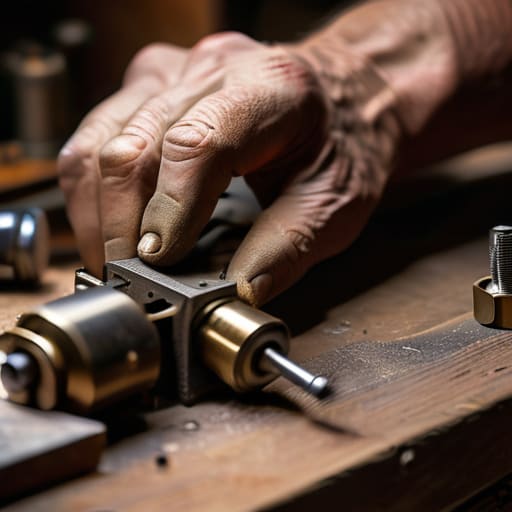
At the end of the day, fixing someone else's work isn't about magic; it's about patience and a bit of forensic thinking. You’ve spent the last few sections learning how to take a design apart without breaking it, how to spot a cheap fastener from a mile away, and how to respect the material even if the original maker didn't. If you’ve done your homework, you won't be guessing. You'll be working with a clear understanding of why the joint failed or why that screw stripped in the first place. Remember, the goal isn't just to patch a hole; it's to restore the integrity of the piece so it lasts another forty years, rather than just surviving another forty minutes.
I know it’s tempting to just head to the hardware store and buy a plastic replacement part that’ll snap the moment you apply any real pressure. But there is a different kind of satisfaction found in the slow work—in seeing a piece of furniture or a tool that was destined for the skip become functional and solid once again. It takes longer, and it certainly requires more brainpower, but that’s the point. We aren't just consumers here; we are caretakers. Stop looking for the quick fix and start looking for the right one. Once you master the art of repairing what you didn't build, you'll find you don't need much from a shop else at all.