Hearing Damage Is Cumulative
 Callum Reith-Sowande
I remember standing on a site in the mid-eighties, the air thick with sawdust and the relentless, bone-shaking scream of a circular saw that hadn't seen a service in years. I watched a lad, barely out of his apprenticeship, working away without so much as a bit of foam in his ears, acting like he was invincible. He thought the noise was just part of the job, a badge of honour for a hard day's graft. But there’s nothing honourable about a permanent ringing in your ears that follows you into retirement. People spend a fortune on fancy, high-tech gadgets when they should be looking at the basics of how to protect your hearing before the damage is already done and sitting in a doctor's office.
I’m not here to sell you some overpriced, electronic earmuff nonsense that'll break in a month. I've spent forty years on sites and ten in the classroom, and I've seen exactly what works and what’s just expensive clutter. I’m going to give you the straight truth on the gear that actually lasts and the habits that keep your ears working. We’ll stick to the practical, reliable methods that won't fail you when the machinery starts up.
Precision Gear Choosing the Best Earplugs for Loud Environments
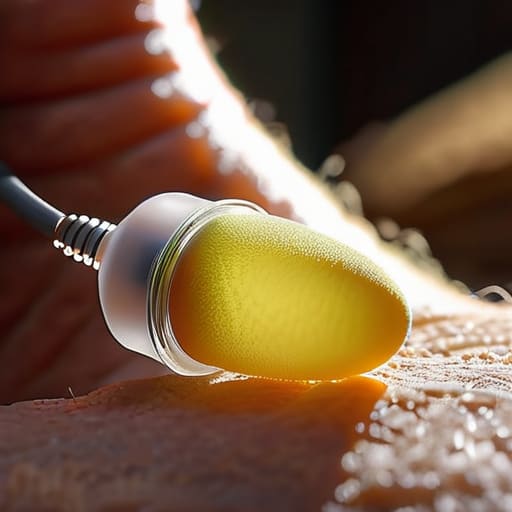
You can’t just grab any bit of foam you find in a drawer and expect it to do the job. If you’re working around a planer or a heavy-duty extraction unit, you need gear that actually fits the task. I’ve seen too many lads using those cheap, disposable plugs that sit halfway out of the ear canal; they don't do a lick of good if they aren't sealed. When you're looking for the best earplugs for loud environments, you want something that stays put even when you're sweating or moving around a tight workshop space.
I’ve always preferred the reusable silicone types. They’re better for the pocketbook and, more importantly, they're built to last—I don't believe in anything that's designed to be thrown in the bin after one use. If you’re serious about preventing noise-induced hearing loss, you need to understand that a poor seal is just as bad as wearing nothing at all. It’s about the precision of the fit, much like the way a chisel needs to sit perfectly in the handle. If it's not right, it's useless.
Decibel Levels and Ear Safety the Math of Survival
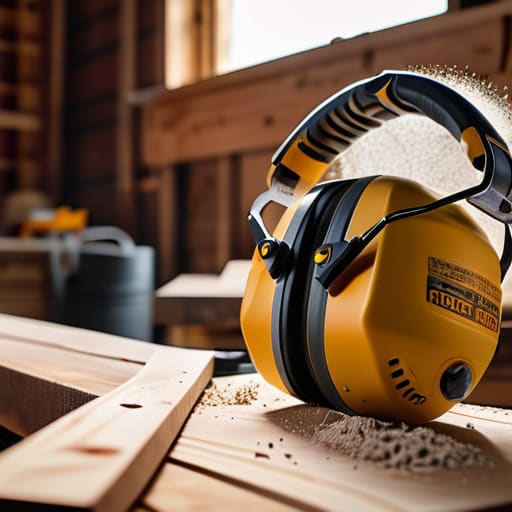
Now, I’m not a mathematician, but I spent enough years on site to know that numbers don't lie, even if the lads in the canteen do. When we talk about decibel levels and ear safety, you have to understand that sound isn't just a nuisance; it’s a physical force. A standard table saw or a heavy-duty planer can easily push past 100 decibels. The thing about sound is that it’s cumulative. It isn't just one loud bang that ruins you; it’s the steady, relentless drone of a workshop day after day. If you aren't careful, you’re essentially grinding away at your inner ear like a dull chisel against seasoned oak.
You need to watch for the subtle signs of hearing damage, like a persistent ringing or a feeling that voices are muffled after you've clocked off. That's your body telling you the damage is already starting. Preventing noise-induced hearing loss isn't about being cautious when things get loud; it's about being disciplined before the damage becomes permanent. You wouldn't work with a cracked handle on a mallet, so don't work with unprotected ears.
Five Ways to Keep Your Ears from Ringing Like a Broken Bell
- Don't wait for the ringing to start before you reach for protection. Once that high-pitched whine sets in, the damage is already doing its work. If you're turning on a machine, the plugs should already be in.
- Get used to wearing them. I know, it’s a nuisance when you're trying to hear a conversation or a subtle change in a motor's pitch, but a bit of discomfort is better than a lifetime of silence.
- Stop sharing earplugs like they're sweets. They’re personal gear, plain and simple. If you're borrowing someone else's, you're just inviting wax and bacteria into your head. Buy your own kit.
- Check your gear for wear and tear. Just like a chisel with a chipped bevel, a pair of earplugs that are stretched out or foam that’s lost its bounce won't do a lick of good. If they aren't sealing, they're useless.
- Learn the sound of your tools. A well-maintained machine hums; a machine that’s struggling or a blade that’s blunt often screams. If the noise changes for the worse, fix the tool instead of just turning up the volume.
Final Thoughts Before You Get Back to the Bench
Look, we’ve gone over the math and we’ve looked at the gear, so the message is clear. You can’t fix a blown eardrum any more than you can un-saw a piece of seasoned oak once the blade has gone through. Whether you’re choosing high-grade plugs for a long shift or understanding exactly how much damage a rogue planer is doing to your senses, the responsibility sits squarely on your shoulders. Don't treat your hearing like a consumable item that you can just replace when it wears out; once that fine detail is gone, it's gone for good. Protect your ears as carefully as you protect your finest edge.
I spent forty years on site and another ten in the classroom, and if there is one thing I’ve learned, it’s that a craftsman is only as good as his senses. You need to hear the subtle change in a chisel's bite or the slight hesitation in a motor to know when something is off. If you lose your hearing, you lose your connection to the work itself. Don't let a bit of temporary laziness or a "tough guy" attitude rob you of your craft in the long run. Work smart, work steady, and make sure you can still hear the quiet satisfaction of a perfect fit when you retire.