A Working Tool Kit for Under Two Hundred
 Callum Reith-Sowande
I spent forty years on site and another ten in the classroom, and if there’s one thing that gets my blood up, it’s watching a young lad walk into a hardware store and spend three weeks' wages on a bright yellow, plastic-heavy power tool set that’ll be in a landfill by Christmas. Most people think learning how to build a tool kit on a budget means buying the cheapest junk off a supermarket shelf, but that’s a fool’s errand. You aren't saving money if you have to replace a snapped, hollow-ground screwdriver every time you hit a bit of resistance. Real value isn't found in a shiny box; it’s found in steel that holds an edge.
I’m not here to sell you on fancy gadgets or expensive brand names that rely on proprietary parts you can't fix. I’m going to show you how to scout out secondhand, high-quality hand tools that actually work—tools you can maintain, sharpen, and keep for a lifetime. We’re going to focus on the essentials that allow you to do proper joinery without needing a mortgage to fund your workshop. If you want to build a kit that respects your craft and your wallet, you're in the right place.
Prioritizing Essential Hand Tools for Beginners
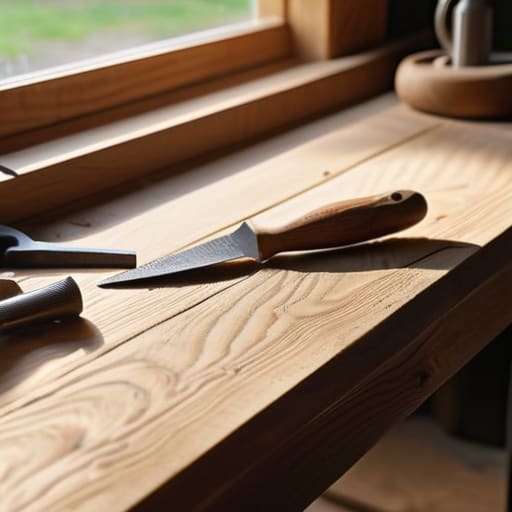
Don't let the shiny catalogs fool you. You don't need a garage full of plastic-cased gadgets to get decent work done. When I was teaching apprentices, I always told them the same thing: start with the basics that actually bite into the wood. Your first priority should be a decent set of chisels, a quality handsaw, and a solid hammer. These are your essential hand tools for beginners because they rely on your skill, not a battery that'll die halfway through a joint. If you can't feel the grain through the tool, you aren't really working; you're just making noise.
Instead of chasing every new release, look for quality in places others overlook. I’ve spent half my life scouring estate sales and local auctions, and that's where you'll find the real bones of a cost-effective workshop setup. A vintage Stanley plane or a heavy-duty mallet from fifty years ago will outlast anything you'll find in a big-box store today. You want tools with weight and soul—things you can actually maintain. If a tool is built to be repaired, it’s worth its weight in gold.
Must Have Tools for Diy Projects That Actually Last
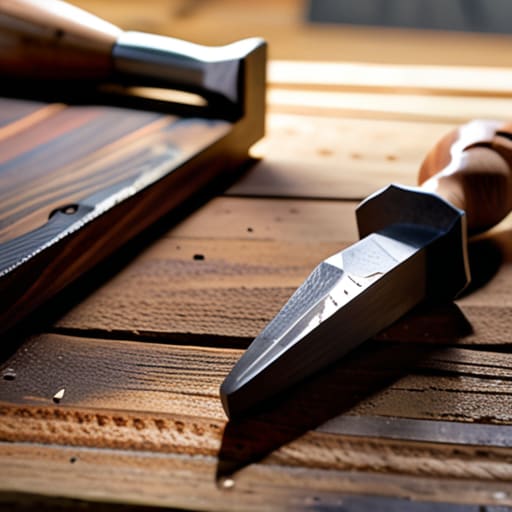
If you’re looking for a cost-effective workshop setup, stop looking at the shiny new aisles in the big-box stores. Most of that stuff is plastic-moulded rubbish designed to fail the moment you put real pressure on it. Instead, you need to focus on the heavy hitters: a decent bevelled-edge chisel, a quality mallet, and a solid combination square. These aren't just essential hand tools for beginners; they are the foundation of everything you’ll do. A well-made steel chisel, even if it’s got a bit of surface rust, can be honed back to a mirror finish. A cheap, modern one? You’ll be lucky if the steel holds an edge for more than ten minutes of work.
When it comes to the heavier stuff, don't be afraid of a bit of grit. I’ve spent half my life scavenging at car boot sales and estate auctions, and that’s where the real treasures hide. If you find an old, heavy-duty hand saw or a cast-iron plane, grab it. You can always scrub off the grime and fix a chipped blade, but you can't fix badly engineered metal. Focus on weight and build quality over brand names.
Five Rules for Not Wasting Your Hard-Earned Money
- Scour the second-hand markets before you even look at a shop window. You can find old, heavy-duty steel tools at car boot sales or charity shops for pennies, and most of the time, they just need a bit of oil and a stone to work better than the new plastic rubbish.
- Buy for weight and balance, not for brand names. A cheap hammer that feels right in your hand is worth more than a designer one that’s too light to do the job. If it feels like a toy, leave it on the shelf.
- Ignore the "all-in-one" kits. Those big plastic boxes filled with fifty pieces of flimsy metal are a trap. You'll use three of them and throw the rest in the bin when they snap, which is exactly what the manufacturers want you to do.
- Invest your money in the steel, not the handle. You can always replace a broken wooden handle with a bit of seasoned ash, but you can't fix a blade that's made of soft, cheap metal. If the edge won't hold, it's not a tool, it's a consumable.
- Learn to sharpen before you buy more. Instead of spending fifty quid on a new set of screwdrivers because the tips are worn, spend ten quid on a decent whetstone. A tool that can be maintained is a tool that stays in your kit for life.
The Long Game
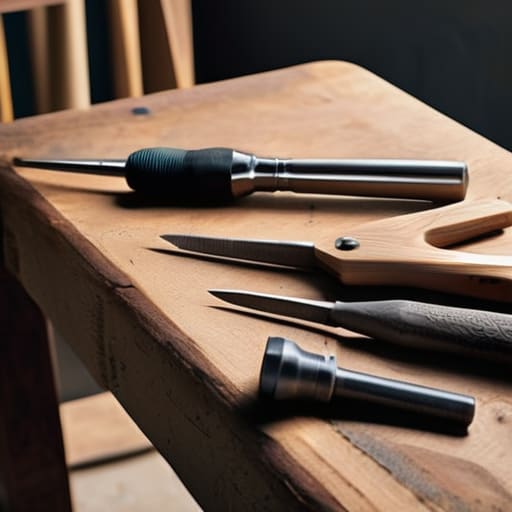
Look, building a kit isn't about filling a plastic toolbox with every shiny gadget you see in a supermarket catalogue. It’s about being selective. We’ve talked about why you need to focus on quality hand tools over cheap electric nonsense, and why a single, well-maintained chisel is worth more than a dozen disposable ones. If you follow what I’ve said, you won't end up with a shed full of junk that breaks the moment you hit a bit of seasoned oak. You’ll have a collection of reliable essentials that you actually understand, tools that you can repair and maintain rather than just replace when they go blunt.
At the end of the day, your skill isn't measured by the price tag on your workbench, but by the precision of your work. Don't let the marketing fool you into thinking you need more gear to be a proper craftsman. Start small, buy tools that have some soul to them, and learn how to care for them. Once you master the basics with a decent set of hand tools, you'll realize that true capability comes from the hand, not the battery. Get to work, keep your edges keen, and stop chasing the latest trend.