Judging a Finish by How It Repairs
 Callum Reith-Sowande
I spent thirty years on-site and another ten in a classroom, and if there’s one thing that gets my goat, it’s the way people treat wood finishes like they’re some kind of high-tech chemical miracle. You’ll see these glossy videos online where everything looks perfect under a studio light, but they never tell you how that coating actually behaves when a tea mug is set down or a stray tool scrapes the surface. Most folks think knowing how to review a finish means looking at a shiny photo, but that’s just a shiny lie. If you aren't testing for grit, depth, and durability, you aren't reviewing anything; you're just admiring a coat of paint.
I’m not here to sell you on some fancy, expensive lacquer that’s designed to be thrown away the moment it scratches. I want to show you how to use your hands and your eyes to find the truth. I’ll walk you through the practical, no-nonsense way to check if a finish actually respects the grain or if it's just masking a poor job. We’re going to look at the tactile reality of the wood, because a finish that looks good but feels like plastic is a failure in my book.
Visual Inspection of Finishes Beats a Digital Sensor
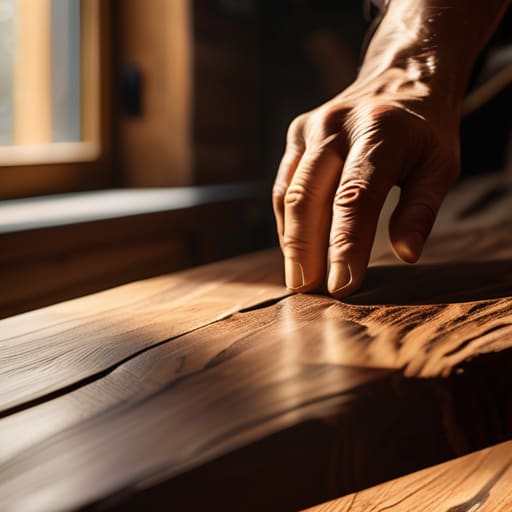
You can buy all the fancy digital meters and light sensors you like, but they won't tell you the truth about a piece of work. A sensor might give you a number for a surface coating assessment criteria, but it can’t feel the soul of the wood or see where the grain is fighting the oil. I’ve seen plenty of lads rely on a reading only to find the finish looks like plastic once the sun hits it at an angle. You need to use your own eyes to catch the flaws that a machine is too blind to notice.
When you're evaluating sheen and texture, don't just stand there under a bright overhead lamp. Move your head. Change the light. A finish might look smooth in the shop, but if you don't check it from different perspectives, you’ll miss the subtle ripples or the way the coating sits heavy in the pores. Real quality is found in the transitions, not in a digital readout. If you can't see the depth of the timber through that layer, then the finish has failed, no matter what the sensor says.
Evaluating Sheen and Texture With a Sharp Eye
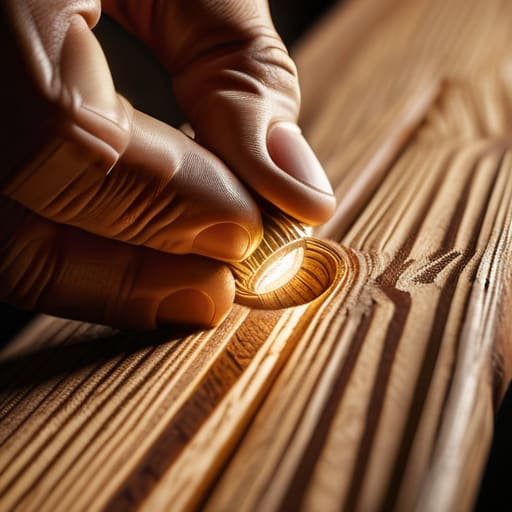
Now, when you’re evaluating sheen and texture, forget about those fancy light boxes and digital gloss meters. They’ll give you a number, but a number won't tell you if the finish looks right against the grain. I’ve spent decades looking at how light hits a well-planed oak surface versus one that’s been smothered in cheap lacquer. You need to move your head, change the angle of your light, and see how the sheen behaves. If it looks like a sheet of plastic rather than a layer of protection, you’ve gone too far.
True surface coating assessment criteria come down to how the finish sits within the wood, not just on top of it. A good finish should feel like it belongs to the timber. I always run my thumb across the grain; if you feel a slight drag or a "milky" texture in the valleys, the application is uneven. You aren't just looking for shine; you are looking for consistency. If the texture feels gritty under your hand, no amount of buffing is going to save it later on.
Five ways to tell if a finish is worth the effort
- Stop looking from a distance. Walk right up to the timber, get your eyes close to the grain, and look for where the finish might be pooling or thinning out. If you can't see the depth of the wood through the coating, you aren't reviewing it; you're just looking at a layer of plastic.
- Use your hands, not just your eyes. A finish might look smooth under a workshop light, but run your palm across the surface. You’re looking for "orange peel" or grit that got trapped in the wet film. If it feels like fine sandpaper, the application was rushed, and no amount of buffing will truly fix a lazy job.
- Check the edges and the corners. This is where most people get sloppy. A good finish should wrap around a corner or a chamfered edge without pooling into a heavy bead or leaving a dry, thirsty patch. If the edges look different from the flats, the finish isn't consistent, and it won't hold up over time.
- Look for the "halo" effect. Hold a piece of work up to a window and check how the light hits it. If you see uneven patches or cloudy spots where the light seems to die, you've got an uneven film thickness. It’s a sign of poor technique, and it’ll show the moment the sun hits that piece in a client's house.
- Test the build, not just the shine. A finish that looks beautiful but feels soft or "tacky" is a failure. Give it a gentle rub with a clean, dry cloth. If it feels like it’s grabbing your skin, it hasn't cured properly. A proper finish should feel like it's part of the wood, not something sitting on top of it like a wet film.
Putting the Work to the Test
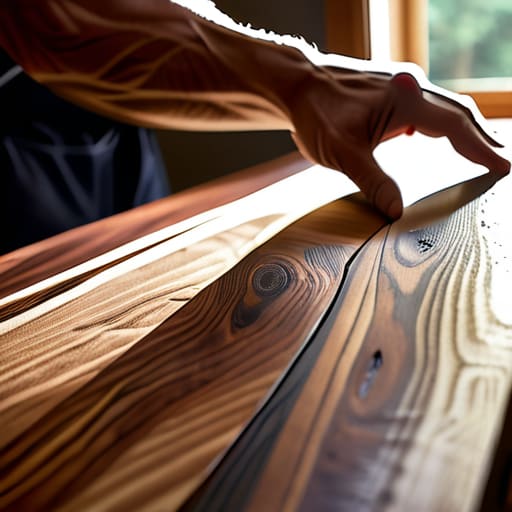
At the end of the day, reviewing a finish isn't about checking off a list of technical specs or looking for a specific gloss number on a tin. It’s about using your own senses—your eyes, your fingertips, and even your gut feeling. You’ve got to look past the initial shine to see how the light actually dances across the grain, and you need to feel whether that surface is truly smooth or if you’re just masking imperfections with a layer of plastic. If you can't verify the quality with your own hands, then you haven't actually finished the job; you've just stopped working.
I’ve spent forty years on sites and in classrooms, and if there’s one thing I’ve learned, it’s that shortcuts always come back to haunt you. You can buy the most expensive spray system in the world, but it won't replace the judgment of a craftsman who knows what a proper finish is supposed to feel like. Don't let the modern rush to finish quickly rob you of the pride that comes with doing it right. Take your time, trust your senses, and remember that a piece of wood deserves more than just a quick coat of paint—it deserves your full attention.