A Vice Judged on Its Screw
 Callum Reith-Sowande
I remember a lad in my college workshop years ago, a bright kid with more enthusiasm than sense, who spent a small fortune on a high-end, cast-iron bench vice because a glossy magazine told him it was "professional grade." He spent three hours trying to figure out how to review a vice based on its weight and brand name, only to realize the jaws were slightly out of parallel and the screw thread felt like it was chewing through sand. It’s the same nonsense I see online today—people obsessing over flashy finishes and marketing jargon instead of checking if the tool actually holds a workpiece steady when you're putting real muscle into a cut.
I’m not here to give you a lecture on technical specifications that don't matter in a real workshop. I'm going to show you how to look past the chrome and the heavy branding to find the real soul of the tool. We’ll talk about jaw alignment, screw play, and whether that finish is going to flake off the moment you see a bit of sawdust. If you want to learn how to review a vice with a proper eye for longevity, you’ve come to the right place.
Precision Over Power Assessing Vise Jaw Precision
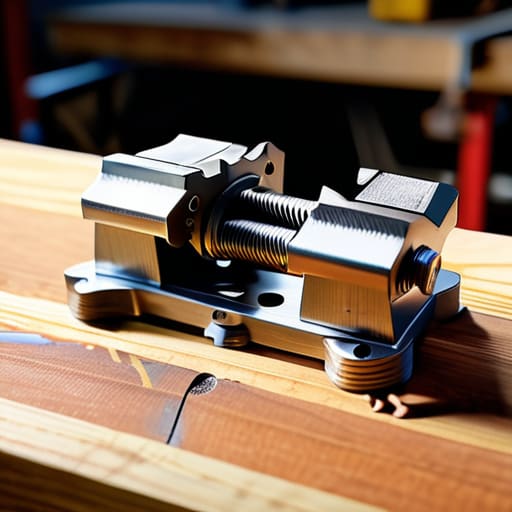
When you’re assessing a new piece of kit, don't get distracted by how heavy it feels. A heavy vice can still be a useless one if the jaws don't meet true. To check for proper vise jaw precision, you need to close the mechanism slowly and watch the contact points. If one jaw hits before the other, or if there’s a visible gap when they meet, you’re looking at a tool that will constantly fight you. A crooked jaw means your workpiece will sit at a slight angle, and no amount of sanding is going to fix a mistake that started at the clamping stage.
I’ve spent enough time in the college workshop to see students struggle with cheap, misaligned jaws. During my own workshop tool assessment, I always look for how the parallel guides behave under load. You want to see those jaws stay perfectly square even when you’re applying significant pressure. If the jaws start to tilt or "walk" as you tighten them, the tool is built for show, not for work. A decent vice should hold a line as straight as a spirit level, regardless of how much muscle you put into the handle.
The Real Test of Metalworking Tool Review Criteria
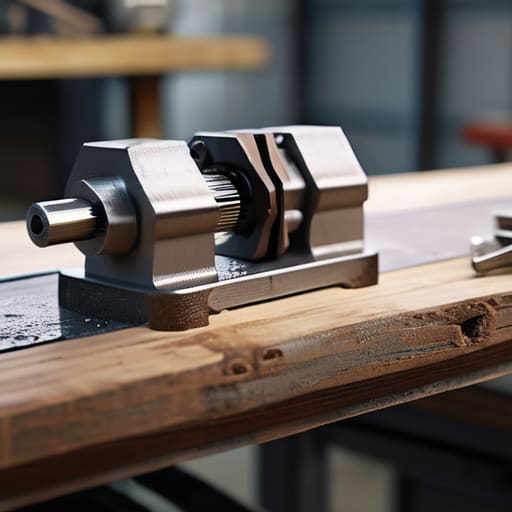
When you’re sitting down for a proper workshop tool assessment, you can’t just look at the shiny finish and call it a day. A lot of the blokes I taught at the college would make the mistake of thinking a heavy vice is a good vice. It isn't. Weight is one thing, but how that weight is distributed and how the internal screw handles the load is what matters. If the threads are soft or the lead screw has too much play, you’ll find yourself fighting the tool instead of the workpiece.
I always tell my apprentices that the true measure of a tool is how it behaves when you actually put it to work. During my own bench vice durability testing, I don't just tighten the handle; I look for how the jaws react under a heavy load. You want to see if the jaws tilt or if the body flexes when you're applying real pressure. If the frame starts to bow, you aren't just losing accuracy—you're risking a permanent bend in the metal. A tool that can't hold its own under stress is nothing more than a waste of bench space.
Five Things That Actually Matter When You're Testing a Vice
- Check the jaw movement for any lateral play; if the jaws wobble side-to-side when you tighten them, you aren't holding a workpiece, you're just fighting it.
- Look at the screw threads—don't just look at them, turn them. If they feel gritty or catch halfway through, that's a sign of poor casting that'll only get worse with time.
- Test the reach and the throat depth. A vice might be sturdy as an oak, but if you can't get your workpiece deep enough into the jaws to work safely, it's useless to you.
- Examine the mounting points. I've seen plenty of heavy-duty vices that fail because the base is thin or the bolt holes are poorly positioned for a standard workbench.
- See how easily the jaws can be swapped or adjusted. If a manufacturer has made it impossible to replace the jaw faces once they're chewed up, they're treating a tool like a consumable, and I won't have it.
The Final Word on Your Bench
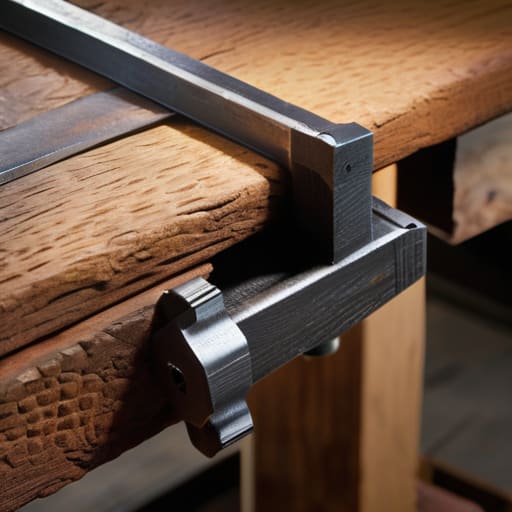
At the end of the day, reviewing a vice isn't about reading a glossy brochure or checking off a list of fancy features. It’s about testing the integrity of the metal and the steadiness of the movement. You need to know if those jaws stay parallel when you’ve actually put some weight behind them, or if they’ll just give way and ruin a good piece of timber. Look for the build quality, check for any unnecessary play in the screw, and most importantly, ensure it’s a tool that can be maintained for decades, not something that’ll end up in a scrap heap the moment a washer wears thin.
I’ve spent forty years watching men rush into buying whatever is cheapest or loudest, only to realize later that a poor grip makes every cut a struggle. A proper vice is the foundation of your entire workshop; if it’s shaky, your work will be shaky too. Don't settle for a piece of kit that treats your craftsmanship like an afterthought. Invest your time in finding a tool that commands respect, because once you find a vice that holds true, you’ll realize that true precision doesn't come from the motor in your saw, but from the unshakeable stability of your bench.