A Respirator You Will Wear for an Hour
 Callum Reith-Sowande
I remember standing in a dusty workshop back in '88, watching a young apprentice try to clear a fine haze of MDF dust with a mask that clearly didn't fit. He was coughing his lungs out, convinced that because the box said 'professional grade,' he was safe. That’s the problem with this industry; people think buying the most expensive kit is the same as being protected. Most guides on how to review a respirator will drown you in technical jargon and manufacturer specs that don't mean a damn thing when you're actually under the hood. They focus on the plastic and the filters, but they forget the most important part: the man wearing it.
I’m not here to sell you on some high-tech gadget or a fancy brand name. I’m going to show you how to look at your gear through the eyes of someone who has spent forty years breathing in the realities of a job site. We’re going to cut through the marketing nonsense and focus on the practicalities of a proper seal and long-term comfort. By the end of this, you’ll know exactly how to check your kit so you aren't just going through the motions, but actually keeping the dust out of your blood.
Testing Respirator Seal Effectiveness Without the Fluff
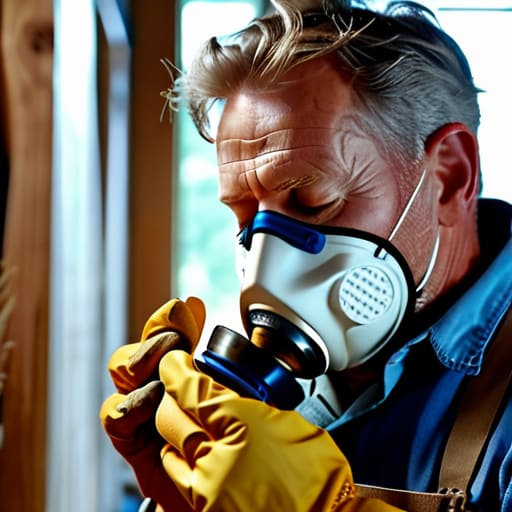
You don't need a laboratory or a degree to tell if your gear is failing you; you just need to pay attention. I’ve spent enough time in dusty workshops to know that once you start feeling that tickle in your throat, the job is already compromised. To check your respirator seal effectiveness, start with a simple pressure test. If you’re using a reusable mask, cup your hands over the filters and inhale sharply. You should feel the mask collapse slightly against your face. If you can pull air in through the sides, you aren't protected. It’s as simple as that.
Don't get bogged down in an N95 vs elastomeric mask review when you're standing in the middle of a sawdust cloud. The real test is the seal. If there’s even a hairline gap caused by a worn gasket or a bit of facial hair, you might as well be breathing the fumes straight. Periodically check the straps, too. If they’ve lost their stretch, they won't hold the tension required to meet basic PPE safety standards, and a loose mask is just a false sense of security.
N95 vs Elastomeric Mask Review the Sharp Choice
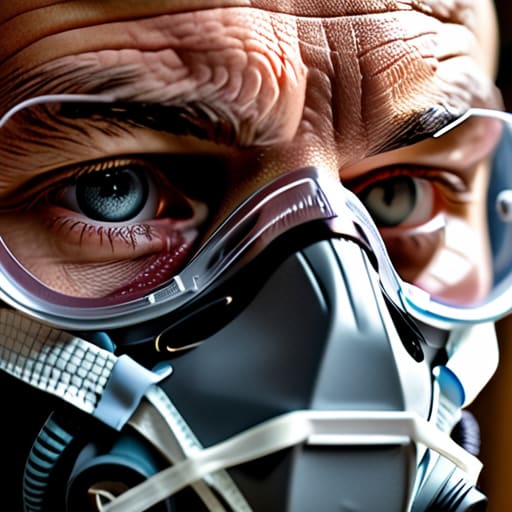
Now, you’ll see two main paths when you’re looking for protection: the disposable N95 or the proper elastomeric half-mask. In my years on site, I’ve seen plenty of lads treat N95s like they’re invincible, but they’re more like a cheap, disposable chisel. They work for a bit of light dust, but they lack the structural integrity for real, heavy-duty work. Once that material loses its shape or gets damp from your breath, the respirator seal effectiveness goes right out the window. If you aren't getting a perfect fit every single time you pull it over your head, you aren't actually protected.
If you want to do things right, you go for the elastomeric mask. It’s an investment, much like a good Lie-Nielsen plane, but it pays for itself in longevity. These masks use replaceable filters, so you aren't binning the whole unit just because the media is full. You just swap the cartridges and get back to work. This N95 vs elastomeric mask review comes down to one thing: reliability. An elastomeric mask gives you a consistent, repeatable seal that a paper mask simply cannot match when the dust starts flying.
Five Things to Check Before You Start Breathing Dust
- Check the facepiece for cracks. I’ve seen plenty of lads ignore a hairline fracture in the rubber, thinking it’s fine, but that’s just an open door for fine sawdust to get into your lungs. If the material is perished or stiff, bin it.
- Inspect your valves. If the inhalation or exhalation valves are warped or have a bit of grit stuck in them, the seal is useless. A valve that doesn't seat properly is no better than breathing through a sieve.
- Test the straps for elasticity. A respirator is only as good as the tension holding it to your face. If the straps have gone slack or the plastic bits are fraying, you won't get a consistent seal, and you'll be fighting the mask all day.
- Look at the filters, not just the mask. Don't wait until you're struggling for air to realize the filters are spent. If they look clogged or if you notice even a hint of a chemical smell, change them immediately.
- Perform a fit check every single time. Don't get complacent just because you wore it yesterday. Cover the filters with your hands and breathe in; if the mask doesn't pull tight against your skin, you aren't protected.
Don't Leave Your Lungs to Chance

At the end of the day, reviewing your respirator isn't some academic exercise; it's about making sure you aren't breathing in the very dust that'll end your career. We've looked at why an elastomeric mask beats a disposable N95 for serious work, and we've covered how to spot a failing seal before it's too late. If the fit isn't tight and the filters aren't fresh, you aren't protected—you're just pretending to be. Don't get complacent just because you've been on the same job for twenty years. A faulty mask is no better than wearing nothing at all, and in my experience, the cost of a new seal is nothing compared to the cost of lung disease.
I’ve spent my life working with wood, and I’ve learned that you can’t fix a mistake once the cut is made. Your health is much the same. You wouldn't use a cracked chisel or a blunt plane, so don't settle for gear that's past its prime. Treat your respirator with the same respect you give your finest hand tools: maintain it, inspect it, and trust it only when it's earned. Take the extra minute to check your gear before you start the machine. It might feel slow, but doing it right the first time is the only way to ensure you're still around to enjoy your retirement.