Rasps for Shaping and Files for Refining
 Callum Reith-Sowande
I remember standing in a drafty college workshop thirty years ago, watching a young apprentice try to coax a smooth curve out of a piece of oak using nothing but a high-speed orbital sander. He was covered in fine dust, his hands were vibrating like a tuning fork, and the shape was a bloody mess. I walked over, took the sander from him, and handed him a well-balanced rasp. It took him twenty minutes to find his rhythm, but once he did, he was doing more work with his arms than he ever did with that machine. Most people think you need a motor to shape timber, but if you want to learn how to use a rasp and file on wood properly, you'll find you have far more control when you're the one driving the cut.
In this guide, I'm going to strip away the nonsense and show you the proper technique for shaping grain without fighting it. We won't be talking about fancy, expensive kits; I'll show you how to grip the tool, how to manage your stroke, and how to transition from a coarse rasp to a fine file for a finish that actually feels right.
Guide Overview
Tools & Supplies
- Wood Rasp (coarse teeth for rapid material removal)
- Wood File (fine teeth for smoothing and finishing)
- Bench Vise or Clamps (to hold the workpiece securely)
- Wood stock (any type, 1 piece)
- Safety Mask (to prevent inhaling fine sawdust)
- Sandpaper (various grits for post-filing refinement)
Step-by-Step Instructions
- 1. Before you even touch the wood, you need to pick the right tool for the job. A rasp is for heavy material removal—think shaping a curved chair leg or thinning down a thick piece of oak. A file is for the finer work, smoothing out the ridges the rasp left behind. Don't try to use a fine file to hog off half an inch of timber; you'll just clog the teeth and waste your time.
- 2. Get your grip right. I always tell my students: don't white-knuckle it. Hold the handle firmly with your dominant hand, but let your other hand rest on the tip of the tool to guide the direction. This gives you much more control and stops you from digging too deep into the grain where you didn't intend to go.
- 3. Always work in a single direction. This is where most beginners go wrong. A rasp is designed to cut on the push stroke. If you try to saw it back and forth like a cheap hacksaw, you'll dull the teeth prematurely and end up with a finish that looks like a plowed field. Push forward with steady pressure, then lift or pull back lightly to reset.
- 4. Watch the grain like a hawk. If you're working on a piece of timber with a tricky, swirling grain, you can't just go at it blindly. If you feel the tool start to "skate" or jump across the surface, you're likely working against the fiber. Adjust your angle slightly and work with the wood, not against it, to keep the surface even.
- 5. Use the "feel" method to check your progress. Instead of squinting at the wood to see if it's straight, run your hand over the area you've just worked. Your skin is much more sensitive to high spots and dips than your eyes are. If you feel a bump, it means you need to lighten your pressure and take a more glancing stroke rather than a heavy one.
- 6. Don't forget to clean your tools as you go. As you work, wood dust and resin will build up in the teeth of the file or rasp. If you let it get packed in there, the tool stops cutting and starts rubbing, which creates heat and ruins your momentum. Get a dedicated file card or a stiff wire brush and clear those teeth out every few minutes.
- 7. Finish with the file, not the rasp. Once you've got the shape you want with the rasp, switch to your fine file to tidy things up. This is the step that bridges the gap between "rough shaping" and "proper joinery." A good file stroke should leave a surface so clean you'll almost feel silly reaching for a piece of sandpaper.
Mastering the Difference Between Rasp and File for Real Control
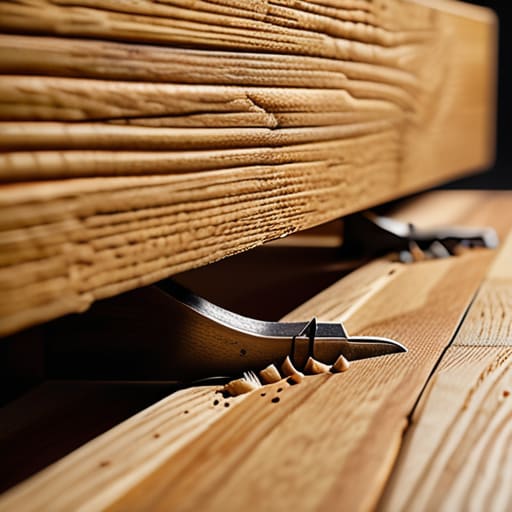
Now, don't go reaching for a file when you're still trying to move a significant amount of material. I’ve seen too many apprentices ruin a good piece of oak because they tried to use a fine file to shape a heavy curve. You need to understand the fundamental difference between rasp and file before you start hacking away. A rasp is a rough beast; those individual teeth are designed to bite deep and tear the fibers, which is exactly what you want for shaping. A file, on the other hand, is much more disciplined. It’s meant for the final stages of smoothing wood surfaces once the heavy lifting is done.
If you treat them the same, you’ll end up with a mess. When you move from the coarse teeth of the rasp to the finer cuts of the file, you aren't just changing tools; you're changing your entire approach to the grain. I always tell my students to watch how the metal interacts with the wood. If you find the file is skipping or tearing, you’ve likely ignored the wood grain direction for filing. Work with the fiber, not against it, and you'll find that control comes much easier.
Smoothing Wood Surfaces Without the Soul Crushing Vibration
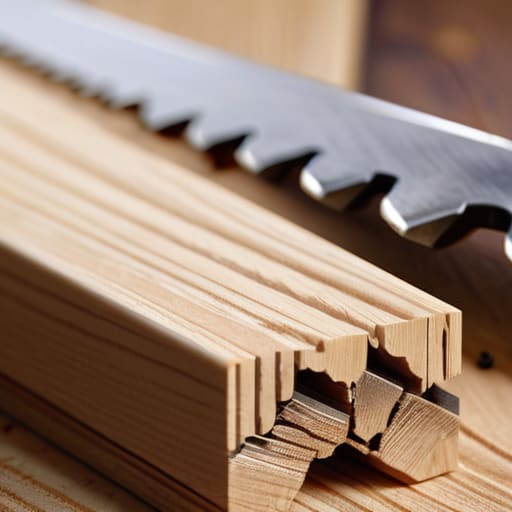
Once you’ve done the heavy lifting with the coarse teeth, you’ll find yourself staring at a surface that’s shaped right but feels a bit too rough for comfort. This is where most people make the mistake of reaching for a power sander. They want that instant, vibrating smoothness, but all they end up doing is rounding off my crisp edges and clogging up their sandpaper in minutes. If you want to keep that definition, you need to lean into proper smoothing wood surfaces with a fine file. It’s about the transition. You move from the aggressive bite of the rasp to the precise, sweeping strokes of a single-cut file.
The secret to avoiding that "scratched" look is all in your wrist and your awareness of the wood grain direction for filing. If you fight the grain, you’ll tear the fibers instead of slicing them. I always tell my students to treat a fine file like a surgical instrument; don't force it, just let the weight of the tool do the work. If you take it slow and follow the natural flow of the timber, you'll achieve a finish that feels alive under your hand, rather than something processed by a machine.
Five ways to stop fighting your tools and start working with them
- Stop pushing like you're trying to drive a nail through a knot. A rasp isn't a hammer; you need a steady, rhythmic stroke. If you find yourself tensing your shoulder, you're forcing it, and that's when you lose control and ruin the profile.
- Always work with the grain when you're using a file to smooth things up. I've seen too many young lads go against the grain just to move faster, only to end up with a surface that looks like it's been chewed by a dog.
- Keep a stiff brush handy. It sounds like a chore, but if you let the wood dust pack into the teeth of your rasp, it stops cutting and starts sliding. A clean tool is a sharp tool, and a sharp tool does the work for you.
- Don't be afraid to use your non-dominant hand to steady the workpiece. If the wood is wobbling on the bench while you're putting pressure on a file, you aren't shaping the wood—you're just creating uneven divots that you'll have to spend an hour fixing later.
- Listen to the sound. When you're using a rasp correctly, you should hear a consistent, crisp 'scritch'. If it starts sounding muffled or dull, you're either pressing too hard or your tool is choked with debris. Trust your ears more than your eyes.
Getting the Feel for It
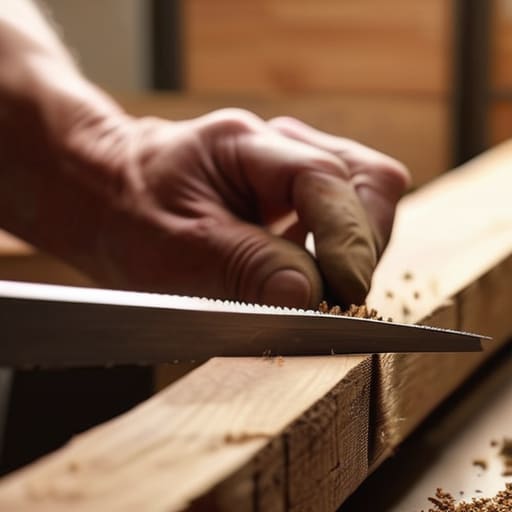
At the end of the day, using a rasp or a file isn't about brute force; it’s about understanding the tool in your hand. Remember that the rasp is there to do the heavy lifting, tearing away the bulk of the material, while the file is your tool for refining the shape and bringing it closer to the final dimension. If you try to use a file to remove half an inch of oak, you’ll just end up frustrated and worn out. Use the right tool for the specific stage of the job, keep your strokes steady, and always pay attention to the grain. If you treat these tools with respect, they’ll reward you with a level of precision that a sander simply cannot match.
I know it’s tempting to reach for the plug-in tools the moment a project gets difficult, but I’m telling you, there is a different kind of satisfaction found in the manual work. There is a connection between your eyes, your hands, and the wood that gets lost when you’re standing behind a vibrating machine. When you master the rasp and the file, you aren't just shaping timber; you are learning the language of the wood. It takes patience, and it might take a bit longer at first, but the result is a piece that feels right. Don't rush the process—the best work usually comes to those who aren't in a hurry.