Snipe and How Much Is Acceptable
 Callum Reith-Sowande
I spent thirty years on site and another ten in the classroom, and if there’s one thing that grates on my nerves, it’s the way modern tool reviews treat a machine like it’s a piece of high-tech consumer electronics. You’ll see some lad on the internet talking about "user interfaces" or "smart features" when he's actually trying to teach you how to review a planer thicknesser based on a spec sheet rather than the actual grain of the wood. A machine isn't a gadget; it's a tool, and if it can't take a clean, consistent pass through a knotty piece of oak without screaming like a banshee, I don't care how many buttons it has.
I’m not here to sell you on the latest shiny toy or some overpriced brand name that's built to be scrapped in five years. My goal is to show you how to look past the marketing fluff and judge a machine by its mechanical integrity and how easily you can maintain it. I'll be looking at the things that actually matter—the cutter head, the table rigidity, and whether you can actually get your hands on the parts when something inevitably wears down. We're going to find you a machine that works as hard as you do.
Evaluating Thicknesser Cutter Head Quality and Blade Sharpness
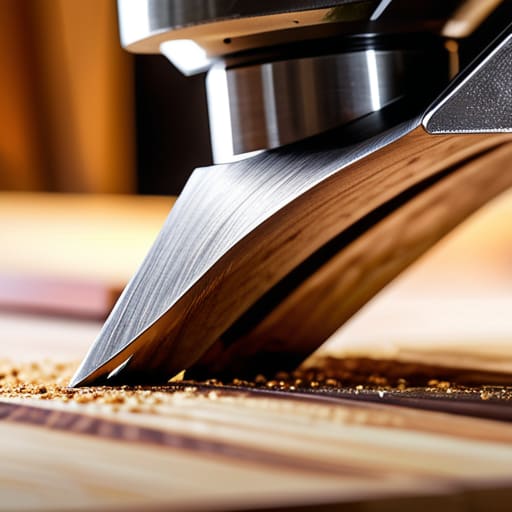
When you’re looking at a machine, don't get distracted by a shiny coat of paint or a digital readout. You need to look straight at the cutter head. I’ve spent enough time in the college workshop to know that the heart of the machine is what determines if you’re making shavings or just burning the timber. If the machine uses straight knives, you’ll need to check how easily they can be swapped or sharpened. I don't care for machines where the blades are treated like disposable bits of scrap; if I can't get a proper edge on them, they aren't worth the electricity they pull.
The real test, though, comes during your surface finish evaluation. Once you’ve got a piece of seasoned oak in the rollers, watch how the tool reacts. You aren't just looking for a smooth face; you’re looking for consistency. If the machine leaves chatter marks or deep ridges, your thicknesser cutter head quality is likely rubbish, or the bearings are shot. A decent machine should bite into the grain and pull through without hesitation. If it struggles to maintain a steady pace, you're going to end up with a surface that requires more sanding than a hand plane ever would.
Measuring Planer Feed Rate Stability Under Pressure
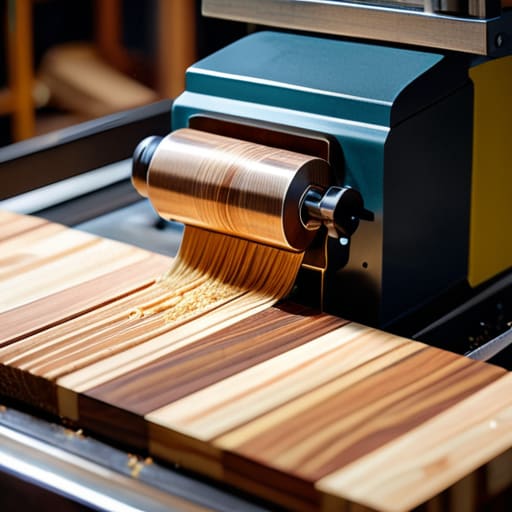
Now, you can have the finest cutter head in the world, but it won't mean a thing if the machine stutters when it hits a knot. When I’m looking at planer feed rate stability, I don't just watch the wood go through; I listen to the motor. A machine that bogs down or changes its rhythm the moment it encounters a bit of resistance is a machine that’s going to leave you with a surface full of ridges. You want a constant, steady pull. If the feed mechanism hesitates, you’ll see it immediately in the grain, and no amount of sanding is going to fix a botched cut.
I always put a machine through its paces by feeding it a piece of timber with varying densities—something with a bit of character, like a piece of oak with a hard knot. This is one of the most important woodworking machine testing criteria I use. If the machine maintains a consistent pace without surging or dipping, you know the drive system is up to snuff. If it falters, it’s just a glorified paperweight that’ll frustrate you every time you try to do real work.
Five Things I Look For Before I Let a Thicknesser Into My Shop
- Don't just look at the blade material; look at how easy it is to get to. If you have to dismantle half the machine just to change a single chip or hone an edge, you’ll end up running it dull out of sheer laziness. I won't touch a machine that makes maintenance a chore.
- Check the dust extraction port size and the actual suction. A thicknesser is essentially a high-speed wood-shaving factory. If the machine can't clear its own throat, you'll be fighting a losing battle against sawdust buildup in the cutter head, and that's a recipe for a fire or a bad finish.
- Test the table's rigidity. If the cast iron or aluminum surface flexes when you put a heavy board on it, your thickness is going to be all over the shop. I want a machine that feels like a solid block of granite, not a tin toy that rattles when the motor hits full tilt.
- Look closely at the adjustment mechanisms for the bed height. They should be fine-threaded and smooth, not clunky or prone to slipping. If you can't set a precise depth and have it stay there under the pressure of a knotty piece of oak, the machine is useless to me.
- Listen to the motor, but more importantly, listen to the cut. A good machine should hum, not scream. If the vibration is enough to shake the teeth out of your head, it means the cutter head is unbalanced or the bearings are rubbish. A steady machine makes for a steady hand.
Making the Right Call
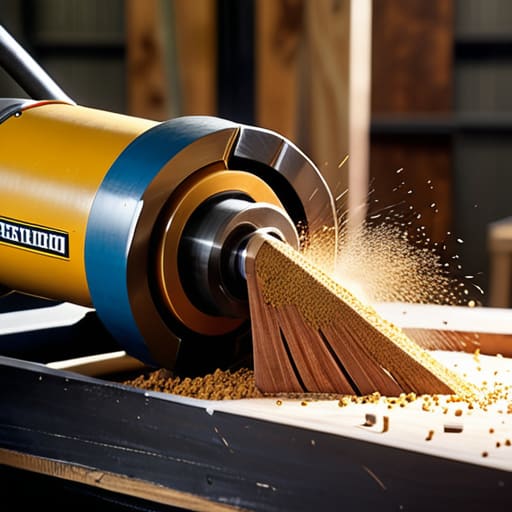
At the end of the day, reviewing a thicknesser isn't about reading a shiny brochure or getting swept up in the marketing jargon. It comes down to the basics we’ve discussed: how the cutter head handles the load and whether the feed rate stays steady when you're pushing through a knotty piece of oak. If the machine chatters or leaves a surface so rough you're begging for a hand plane to fix it, then it’s failed its primary job. You need to look past the fancy digital displays and focus on the mechanical integrity of the tool. A good machine should be predictable, reliable, and, most importantly, built to last rather than being a disposable bit of plastic.
I know there is a temptation to just buy the biggest, most expensive model on the market, but remember that a tool is only as good as the work it produces. I’ve spent forty years seeing men buy high-end gear only to let it gather dust because it was too finicky to actually use. Don't be one of them. Choose a machine that respects your time and your craft. If you invest in quality, you’re not just buying a way to flatten wood; you’re investing in the foundation of your workshop. Treat your tools well, keep them maintained, and they’ll never let you down when the real work begins.