What to Look for in a Hand Saw
 Callum Reith-Sowande
I remember standing in a tool showroom back in the eighties, watching a young lad try to explain to an old timer that a saw was better because it had a "high-tech" coating and a fancy ergonomic handle. It was nonsense. You can wrap a blade in all the gold leaf you like, but if the steel is rubbish and the teeth aren't set true, you’re just holding a very expensive stick. Most people think you need a manual or a digital gauge to tell if a tool is worth its weight, but learning how to judge a saw isn't about reading a spec sheet; it's about knowing what to look for when the shop lights are bright and the salesman is talking.
I’m not here to sell you on any brand or tell you that you need to spend a month's wages on a single blade. I’m going to show you how to use your eyes, your hands, and a bit of common sense to see through the marketing fluff. We’ll look at the temper of the steel, the bite of the teeth, and why a tool you can't maintain is a tool you shouldn't own. By the end of this, you'll know exactly how to judge a saw by its soul, not its price tag.
The Quality of Saw Steel and Beyond
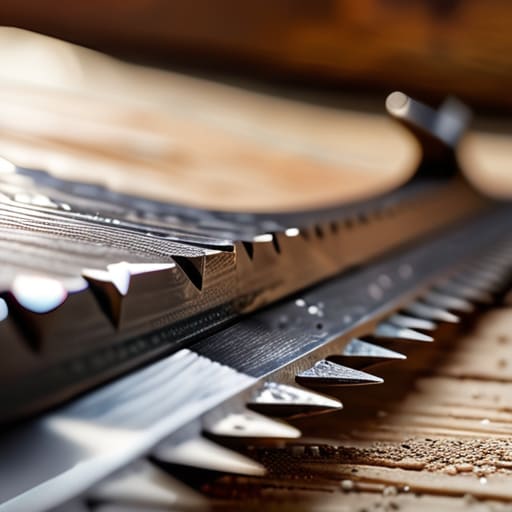
You can’t just look at the shape of the teeth and call it a day; you have to look at what they're made of. Most of the modern rubbish you'll find in the big-box stores is made of soft, cheap steel that loses its edge before you’ve even finished your first rip cut. When I’m inspecting hand saw teeth, I’m looking for a certain kind of integrity in the metal. You want steel that holds a point, not something that rolls over the moment it hits a bit of knotty pine. If the steel is poor, no amount of filing will make that tool behave.
It isn't just about the metal, though. A good saw needs to hold its shape under pressure. I always spend time evaluating saw blade tension to ensure the plate isn't going to wander or twist mid-cut. A blade that lacks tension is a blade that lies to you, making you think your joinery is crooked when it’s actually the tool failing. If the steel is high-quality and the tension is true, the saw becomes an extension of your arm rather than a struggle against the grain.
Identifying Saw Blade Wear Before It Betrays You
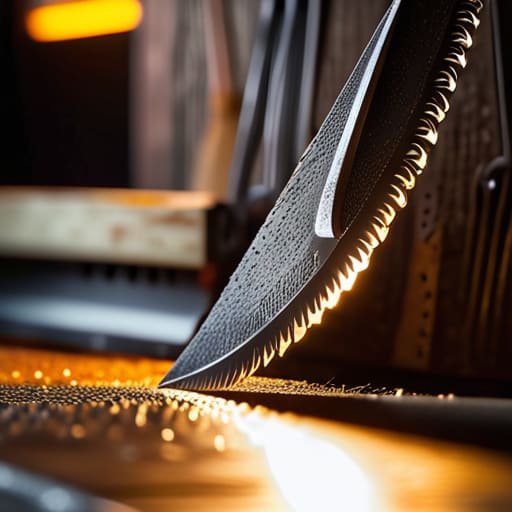
You don't wait for a saw to fail mid-cut to realize something is wrong; by then, you’ve already ruined the grain. I’ve spent years inspecting hand saw teeth under a good lamp, and you learn to spot the signs early. Look closely at the tips. If they look rounded or "rolled" rather than crisp and pointed, that blade is finished for fine work. You might think you can just push harder, but that’s how you end up wandering off your line because the tool is fighting you instead of following you.
Another thing people miss is the way the blade behaves when it's under load. If you notice the steel starting to wander or twist as you work, you aren't just dealing with a dull edge; you're likely evaluating saw blade tension that has gone completely sideways. A good saw should stay true. If it feels "floppy" or lacks that rhythmic bite, the steel is tired. Don't mistake a heavy hand for a lack of skill—usually, it's just the tool's way of telling you it's time to get back to the stone.
Five Ways to Tell if a Saw is Worth the Bench Space
- Check the teeth for "set" consistency. A good saw shouldn't just have teeth; it needs a rhythmic, even spread to the left and right. If one tooth is leaning more than the others, it’ll wander in the cut and leave you fighting the wood instead of slicing it.
- Listen to the ring. I know it sounds old-fashioned, but when you give the blade a gentle tap, a quality saw with decent steel will have a clear, sustained ring. A dull thud usually tells me the steel is either cheap or has lost its temper.
- Look for the "twist." Lay the blade flat on a piece of dead-flat glass or a workbench. If there’s any wobble or a slight curve in the metal, walk away. You can sharpen a tooth, but you can't easily un-twist a blade that’s been warped by heat or bad storage.
- Feel the weight in your hand. A saw that’s too light feels like a toy, and a saw that’s too heavy will tire your arm out before you’ve even finished your first rip cut. You want something that feels balanced, like an extension of your own forearm.
- Inspect the handle for more than just looks. I don't care how pretty a rosewood handle is if it doesn't sit right in the palm. It needs to be shaped so you can control the angle of the cut without your hand cramping up halfway through the job.
Final Thoughts on the Blade
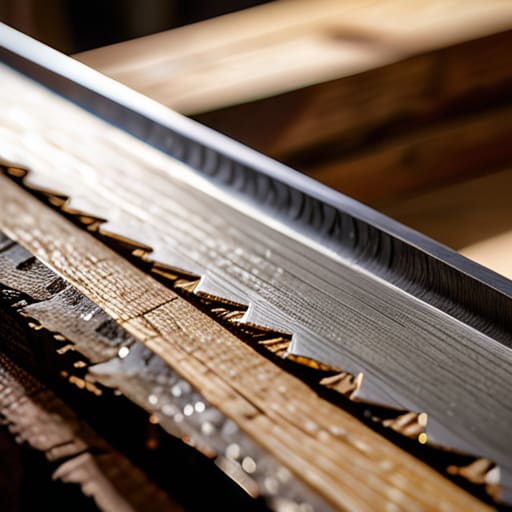
At the end of the day, judging a saw isn't about reading a fancy label in a shop window; it’s about knowing what to look for when the steel meets the light. You’ve got to check the temper of that steel, look closely at the set of the teeth, and most importantly, feel for that tell-tale drag that signals a blade is losing its edge. If you can't tell the difference between a saw that cuts and a saw that merely tears, you aren't paying enough attention. A tool is only as good as your ability to see its flaws before they ruin a piece of seasoned oak.
I know the modern world wants you to believe that a battery-powered jobsite saw is the only way to get things done quickly. But I've spent forty years proving that a well-chosen, well-maintained hand saw will always have the final word. There is a specific kind of satisfaction that comes from a clean, silent cut—one that a noisy motor can never replicate. Stop treating your tools like they are disposable bits of plastic. Respect the steel, keep it sharp, and I promise you, it will respect your work right back.