Where the Money Goes in a Chisel
 Callum Reith-Sowande
I remember sitting in the workshop back in '84, watching a young apprentice tear into a piece of expensive oak with a tool that cost more than my first car. He was convinced that the brand name on the handle was what mattered, but he was struggling just to get the steel to sink in. It’s a common trap, and honestly, it's a bit of a scam. Most people think a shiny box and a heavy price tag are the same thing, but when you're actually standing at the bench, you realize that what makes a chisel worth the money has nothing to do with the marketing budget. It’s about the quality of the steel and whether or not that edge will actually hold its bite when the work gets tough.
I’m not here to sell you on fancy brands or tell you that you need a gold-plated toolkit to be a decent craftsman. I've spent forty years on sites and ten years in a classroom, and I've learned that a tool is only as good as its ability to be maintained. I'm going to tell you exactly what to look for so you don't end up with a drawer full of expensive rubbish.
High Carbon Steel vs Alloy Steel the Edge That Lasts
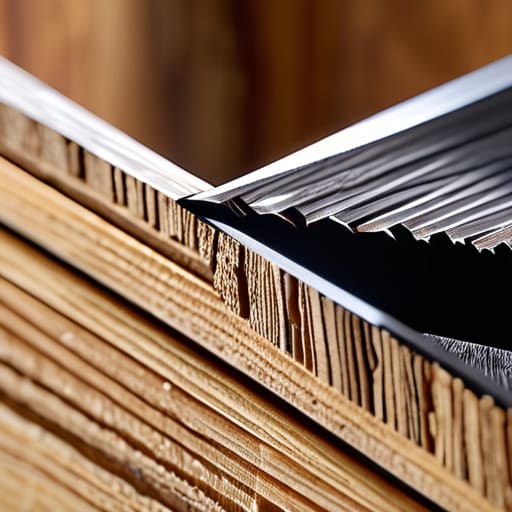
Now, when you’re looking at the metal itself, you’ll see a lot of talk about high carbon steel vs alloy steel. Most of the cheap stuff you find in the big-box hardware stores is made of soft, low-grade steel that’s basically designed to go blunt the moment it hits a knot in an oak board. If you want a tool that stays keen, you need something that can actually hold an edge. I’ve always preferred high carbon steel for my daily work; it’s easier to sharpen when it does eventually go dull, and it gives you that instant bite that you just can't get with inferior metals.
That said, some of the more modern alloy steels are decent, provided they are heat-treated properly. You aren't just buying a piece of metal; you're looking at sharpening longevity and maintenance. A bit of extra money spent on a better steel grade means you aren't standing at the whetstone every twenty minutes. I’ve spent forty years seeing men throw away perfectly good tools just because the steel was rubbish. If the metal can't hold its temper, the tool is nothing more than a glorified screwdriver.
Why Premium Woodworking Tool Brands Actually Pay Off
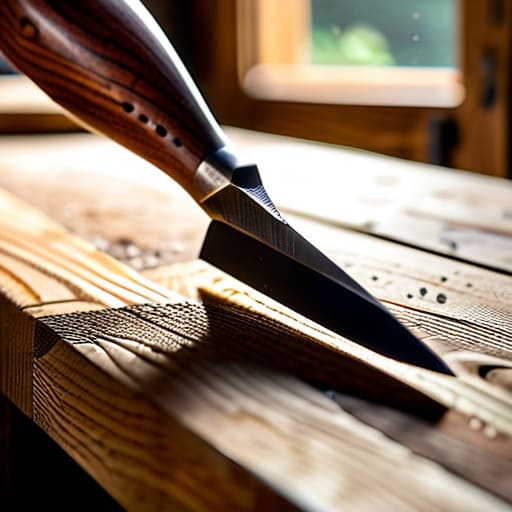
Now, I know what some of you are thinking. You see a price tag on a set of chisels from a name-brand maker and you think you’re paying for a fancy logo and a bit of marketing. I used to think the same way back when I was starting my apprenticeship. But after forty years on the job, I’ve learned that premium woodworking tool brands aren't just selling you a name; they are selling you the metallurgy and the tolerances that keep you from losing your mind in the middle of a project.
When you buy the cheap stuff, you’re often fighting the tool as much as the timber. A budget chisel might look fine on the shelf, but the steel is inconsistent, and you'll find yourself constantly struggling with sharpening longevity and maintenance because the metal just won't hold an edge. A proper tool is built with the intention of being used for decades, not tossed in the scrap bin when it loses its bite. If you treat a good tool right, it becomes an extension of your hand rather than a nuisance you have to fight.
Five things I look for before I open my wallet
- Check the tang and the socket. If it’s a socket chisel, make sure the metal is thick and even; if it’s a tang, it needs to be seated true. A cheap, thin socket will split the first time you give it a proper tap with a mallet.
- Look at how the steel is heat-treated. A decent chisel should hold an edge, but it shouldn't be so brittle that it chips every time you hit a bit of knotty pine. If the manufacturer can't tell you how they temper it, leave it on the shelf.
- Inspect the flatness of the sides. I’ve spent too many hours at the grinding stone trying to fix tools that came out of the box with wonky, non-parallel sides. If the sides aren't flat, you'll never get a clean paring cut.
- Feel the balance in your hand. A tool shouldn't feel like a heavy piece of scrap metal, nor should it feel flimsy. It needs to feel like an extension of your arm, especially when you're doing the fine work that a power tool would just ruin.
- Consider the ease of repair. I won't touch a tool if the geometry is so strange that I can't get a consistent bevel on it with my own stones. If you can't reshape the edge yourself, you don't really own the tool—the manufacturer does.
Don't Waste Your Time on Junk
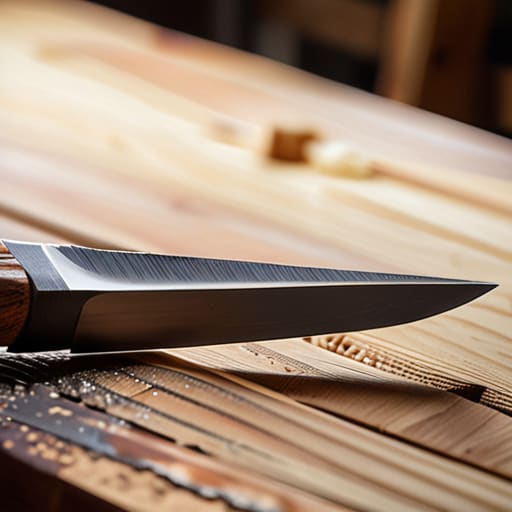
At the end of the day, deciding what a chisel is worth comes down to how much you value your own time and your sanity. You've seen the difference now—it isn't just about a fancy name on the handle, but about whether that steel is high-carbon enough to hold a keen edge and whether the geometry is right for the work you actually do. If you buy a cheap, soft-steel tool, you'll spend more time fighting the metal than you will shaping the timber. A tool that won't hold its edge is nothing more than a disposable piece of scrap, no matter how much you paid for it at the hardware store.
I’ve spent forty years on sites and in classrooms, and I’ve seen plenty of young lads try to make up for poor tools with brute force and loud machines. It never works. When you invest in a proper, honest chisel, you aren't just buying steel; you're buying the ability to feel the grain and respect the wood. Buy something you can repair, regrind, and rely on for the next thirty years. Once you have a tool that bites into the oak like a hot knife through butter, you'll realize that the real cost isn't the price on the tag, but the frustration of using something inferior.