Inspecting a Plane in Your Hands
 Callum Reith-Sowande
I remember standing in a dusty second-hand shop back in the nineties, watching a lad spend half his paycheck on a shiny, brand-new plane that arrived with a sole so bowed it wouldn't have sliced through butter, let alone oak. The salesman was all smiles, talking about "precision engineering," but he was selling him a glorified paperweight. Most people think you need a degree in metallurgy to figure out how to judge a hand plane before buying, but that’s just more marketing nonsense designed to separate a man from his hard-earned cash. You don't need fancy gadgets; you just need to know what a functional tool feels like in your hands.
I’m not here to sell you on some high-priced, boutique brand that looks good on a shelf but fails on the bench. I’m going to show you exactly what to look for—from the flatness of the sole to the integrity of the frog—so you can spot a winner from a mile away. My goal is simple: I want you to walk away with a tool that is built to last and actually does the work for you.
Checking Plane Sole Flatness Without Wasting Time
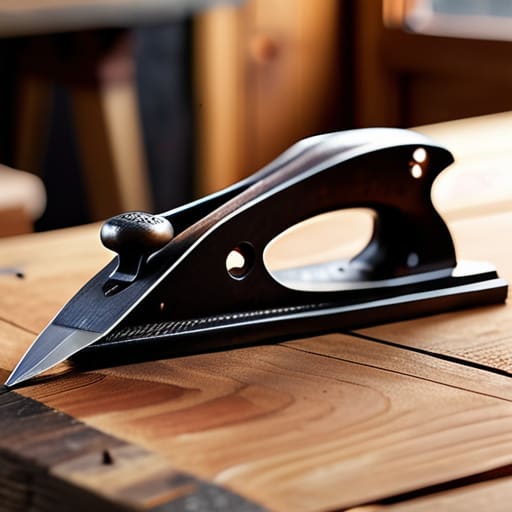
You don’t need a machinist’s level to see if a sole is warped, but you do need a bit of patience. I always carry a small machinist's straightedge in my kit for this exact reason. Lay it across the length of the plane, then across the width. If you see light peeking through anywhere, you’ve got a problem. Now, don't get spooked if there's a tiny bit of wear near the corners—that’s just life. What you’re looking for during a vintage hand plane condition assessment is a fundamental twist or a belly in the middle. If the metal is bowed like a cheap ruler, walk away.
If the straightedge doesn't show much, grab a bit of fine sandpaper and stick it to a known flat surface, like a piece of float glass. Run the plane over it. If it only hits the paper in certain spots, you’re inspecting cast iron bodies that have lost their integrity. A plane that won't lie flat is just a heavy way to make uneven wood.
Inspecting Cast Iron Bodies for Hidden Fractures
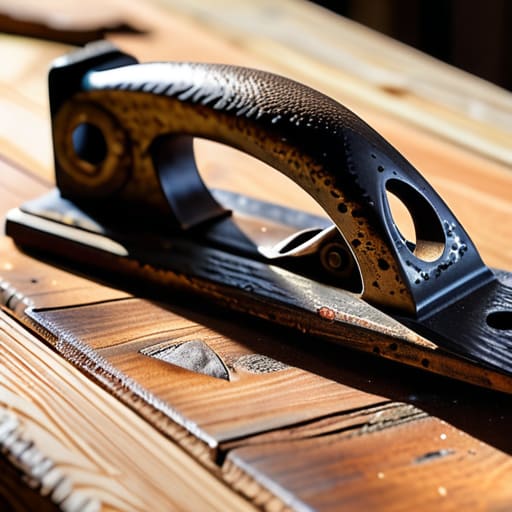
Now, don’t go thinking a bit of surface rust is the end of the world. I’ve seen plenty of old iron that looks like it’s been sitting in a damp shed for forty years, but once you scrub it down, it’s solid as a rock. The real danger is what you can’t see at a glance. When you're inspecting cast iron bodies, you’re looking for structural integrity, not just aesthetics. A hairline crack might look like a scratch, but if that metal is split, you're buying a very expensive doorstop.
Take your time and run your fingernails—or better yet, a small hammer—over the casting. You’re listening for a clear, ringing note. If it sounds dull or thuddy, you might be looking at a fracture hidden under a layer of old paint or heavy corrosion. I’ve seen too many youngsters get excited about a low price, only to realize later that the body is compromised. A crack in the casting isn't something you can just "fix" with a bit of solder; it's a fundamental failure that makes proper hand plane mechanical adjustments impossible.
Five Things to Check Before You Part With Your Hard-Earned Cash
- Don't trust a shiny finish; take a close look at the iron itself. If the blade is pitted or has deep nicks along the bevel, you're looking at hours of grinding just to get it to a working state. I'd rather buy a tool with a bit of surface rust that I can scrub off than one with a ruined edge.
- Wiggle the lever cap and the frog. If they feel loose or sloppy right out of the gate, that plane is never going to hold a consistent depth. A tool that moves when you aren't touching it is nothing more than a glorified paperweight.
- Check the threads on the adjustment screws. Run your fingernail along them; if they feel gritty or uneven, walk away. Stripped or poorly machined threads mean you'll be fighting the tool every time you try to make a fine shaving, and I've never met a man who enjoyed fighting his own tools.
- Look at the mouth opening. If the casting around the throat looks uneven or if the gap is wildly inconsistent, it’s a sign of poor manufacturing or a heavy-handed previous owner. You want a plane that holds its geometry, not one that's fighting itself.
- Feel the weight and the balance. Pick it up and move it. It shouldn't feel like a lump of lead that's impossible to guide, nor should it feel flimsy. A good plane should feel like an extension of your arm, not a burden you're dragging across a board.
Don't Settle for a Paperweight
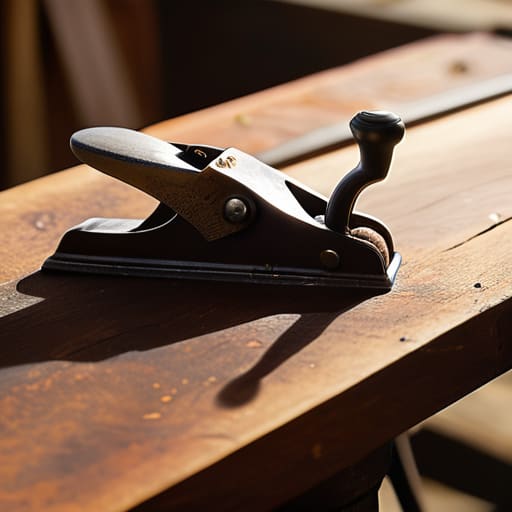
At the end of the day, buying a plane shouldn't feel like a gamble. You’ve checked the sole for flatness, you’ve looked for cracks in the iron, and you’ve made sure the frog isn't wobbling like a loose tooth. If the body is sound and the metal isn't pitted to hell, you've got the foundation of a tool that can last another hundred years. Remember, you can always regrind a blade or flatten a sole with enough patience, but you can't fix a broken casting. If it feels flimsy or the geometry is fundamentally wrong, walk away and leave it for the scrap heap.
I’ve spent forty years watching lads buy the shiny new stuff only to realize they've bought a glorified doorstop. There is a particular kind of satisfaction that comes from taking an old, neglected plane, cleaning the grime off, and making it sing under your hand. A good tool isn't just something you use; it’s something you maintain and respect. Stop looking for the easiest way to get the job done and start looking for the tool that's worth the effort. Once you find a plane that actually cuts true, you'll realize that the best work always happens at a steady pace.