A Workshop in Two Square Metres
 Callum Reith-Sowande
I remember a job back in the late eighties, tucked into a tiny utility cupboard under a staircase in a terraced house in Leeds. I had a massive, heavy-duty circular saw and a dust extractor that looked like it belonged on a construction site, but there wasn't enough room to even swing my arm without hitting a copper pipe. I spent more time fighting my equipment than I did actually cutting wood, and that’s when it hit me: most people have no idea how to work in a small space because they keep trying to force big, loud solutions into tiny, quiet corners.
I’m not here to sell you on fancy, collapsible workstations or expensive modular storage systems that'll break the moment you lean on them. Instead, I’m going to show you how to rely on the tools that actually fit your hands and your surroundings. I’ll be sharing the straight-talking truth about why a well-maintained chisel and a bit of clever positioning will always beat a bulky power tool when the walls are closing in. We’re going to focus on precision over bulk, ensuring you get the job done right without bruising your knuckles or your ego.
Maximizing Square Footage for Productivity Without the Clutter
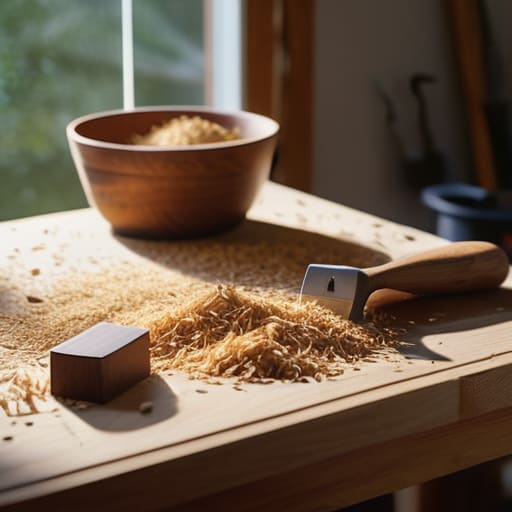
You can’t build anything worth keeping if you’re tripping over your own feet. When I was teaching the lads at the college, I saw too many apprentices ruin a good piece of oak simply because they didn't have room to move a plane or steady a chisel. If your bench is buried under scrap and half-finished projects, you aren't working; you're just searching. To get any real momentum, you have to focus on decluttering small work areas by keeping only what is active in your immediate reach. Everything else belongs in its place, not in your way.
I’ve always found that the best way to reclaim your floor is to look up. I don't care if you're in a workshop or a tiny spare room, vertical storage solutions are the only way to stay sane. Get your tools off the bench and onto the wall. A well-organized pegboard or a sturdy rack means you spend your time working the grain, not hunting for a marking gauge that’s vanished under a pile of sawdust. Keep the surface clear, and the work will follow.
Compact Workspace Organization Over Massive Useless Desks
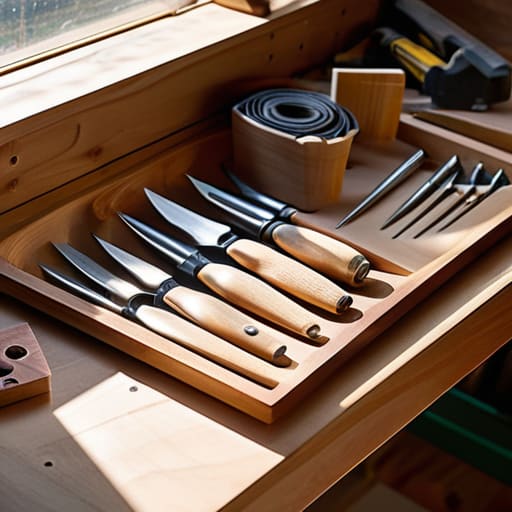
I’ve seen too many young lads waste half their workshop floor on massive, heavy benches that they can’t even move when the job changes. They think a big desk means they’re serious, but a sprawling, empty surface is just a place for dust to settle. If you're tight on room, stop chasing bulk. Instead, look toward vertical storage solutions like French cleats or simple pegboards. I’ve always found that if a tool isn't in your hand, it belongs on the wall, not taking up precious real estate on the benchtop.
When you’re working in a corner or a spare room, your setup needs to be lean. I prefer a bit of compact workspace organization where everything has a specific home. If you can't reach it without getting up and tripping over a pile of offcuts, you've got too much junk in the way. Don't buy a heavy, permanent desk that locks you into one position; get something modular that you can tuck away or adjust. A workspace shouldn't own you; you should own the workspace.
Ditch the Power Cord and Start Thinking Small
- Stop trying to find a place for the circular saw when a tenon saw will do. In a tight corner, every cord is a trip hazard and every bulky machine is just an obstacle between you and the timber.
- Get your tools off the bench and onto the wall. If you're working in a cupboard or a shed, you can't afford to have your chisels sitting in a pile; a shadow board keeps your hands moving and your eyes clear.
- Invest in a proper workbench, not a massive table. You don't need a six-foot expanse to do fine joinery; you need a solid, heavy surface that won't budge when you're paring a joint.
- Use clamps as your extra hands. In a cramped spot, you won't have room to lean your weight into a piece of wood to hold it steady, so make sure you've got enough quick-grip or F-clamps within reach.
- Keep your sharpening kit right where you work. If you're working in a small space, you shouldn't be trekking across the shop every time a blade loses its edge; a small honing guide and a stone on a dedicated tray saves time and keeps the mess contained.
Making Room for What Matters
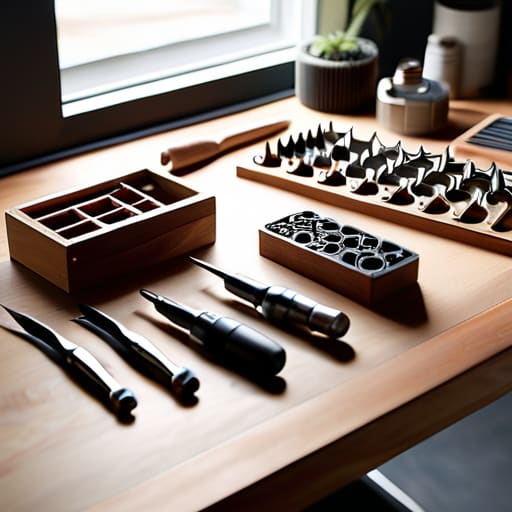
At the end of the day, working in a tight spot isn't about having more floor space; it’s about having the right tools in the right place. We’ve talked about clearing out the bulk, ditching those oversized desks that do nothing but swallow your movement, and organizing your gear so you aren't hunting for a driver while your glue sets. It comes down to a simple truth: if a piece of equipment doesn't serve a purpose or doesn't fit your workflow, it's just expensive clutter stealing your productivity. You don't need a warehouse to do decent work; you just need a workspace that respects your movement and your craft.
I’ve spent forty years on sites and in classrooms, and if there is one thing I’ve learned, it’s that a man is defined by his skill, not the size of his workshop. A master can turn a corner in a broom closet and produce joinery that would make a factory machine look clumsy. Don't let a cramped room make you feel like a cramped craftsman. Focus on the precision of your movements and the sharpness of your tools, and you'll find that space is often an illusion. Once you stop fighting the walls and start working with what you've got, the work starts to speak for itself.