Ppe You Will Actually Wear
 Callum Reith-Sowande
I remember a lad I taught back at the college, bright enough, but he spent more time fussing over the brand name on his safety goggles than he did checking if they actually sat flush against his face. He’d bought the most expensive kit in the catalogue, thinking a high price tag meant he was safe, but he was still squinting through a fog of sweat and dust because the gear was wrong for the job. Most people get stuck in that same trap, thinking they need to buy the most expensive bulk protection on the market to stay safe. They treat safety like a shopping list rather than a toolkit. When you’re figuring out how to choose PPE, you shouldn't be looking for the flashiest label; you should be looking for the gear that actually works with your hands and your eyes without getting in the way.
I’m not here to sell you on some overpriced, disposable rubbish that'll end up in a landfill by Tuesday. I’m going to show you how to pick gear that lasts and, more importantly, gear that actually fits the task. We’ll look at what matters—fit, visibility, and durability—so you can stop wasting money on junk and start focusing on the work.
Why Osha Ppe Guidelines Arent Enough for Real Work
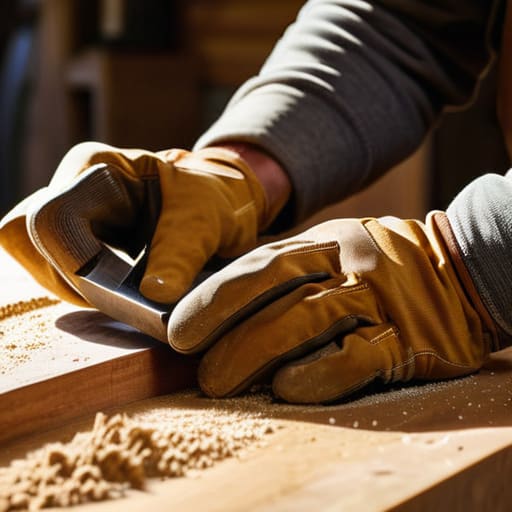
Now, don't get me wrong; I’m not saying the law is useless. Those osha ppe guidelines exist for a reason, and they keep a lot of lads from losing fingers on a commercial site. But there’s a massive gap between what a government inspector wants to see on a clipboard and what actually keeps a man safe when he’s elbow-deep in sawdust or mid-cut on a piece of seasoned oak. Compliance is about checking boxes, but real work is about anticipating the unexpected.
If you just follow the minimum occupational safety standards, you’ll end up with gear that’s technically legal but practically useless. I’ve seen apprentices wearing bulky goggles that fog up the second they start sweating, making them blind to the very blade they're working with. That isn't safety; it's a distraction. A proper hazard assessment for workplace safety shouldn't just look at what the rulebook says, it needs to look at how the tool actually behaves in your hand. If your gear gets in the way of your precision, you aren't working safer—you're just working worse.
The Sharp Edge of a Proper Hazard Assessment for Workplace
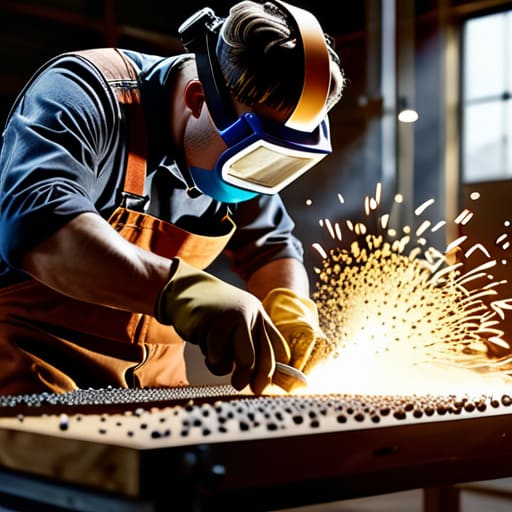
You can’t just glance at a job site and decide what you need on a whim. If you’re just following the bare minimum of occupational safety standards, you’re likely missing the nuances that actually keep you whole. A proper hazard assessment for workplace safety means looking at the specific grit of the task. I’ve seen men walk into a workshop with standard goggles when they really needed sealed-off protection because they were grinding fine dust, not just chips. It’s about anticipating the mess before it happens.
If you don't take the time to walk through the motions of the job first, you're just guessing. I always tell my former students: look at the material, look at the tool, and then look at the environment. Are you working in a cramped corner where a stray splinter is guaranteed to fly toward your face? That changes your eye protection requirements entirely. You aren't just checking boxes on a clipboard; you are identifying the specific ways a task can bite back at you. Don't be lazy with the prep work, or the job will find a way to punish you for it.
Stop Buying Bulk and Start Buying for the Task
- Don't just grab the standard-issue gloves because they're what's in the van; if you're handling fine joinery, a thick, clumsy leather palm will kill your dexterity and make you work twice as slow.
- Check the fit before you step on site, because if your safety glasses are sliding down your nose every five minutes, you aren't focused on the cut—you're focused on your gear.
- Look past the shiny marketing and check what the kit is actually rated for; I've seen men wear lightweight masks when they should have been using proper respirators, and that's a mistake you only make once.
- Treat your PPE like your chisels—it's not a consumable to be tossed when it gets a scratch, but if it's compromised or doesn't function perfectly, it's useless to you.
- Test the gear in a controlled way before the real work starts; if a pair of earmuffs feels like it's crushing your head, you'll end up pulling them off halfway through the shift, leaving your hearing wide open to damage.
Don't Just Check the Box
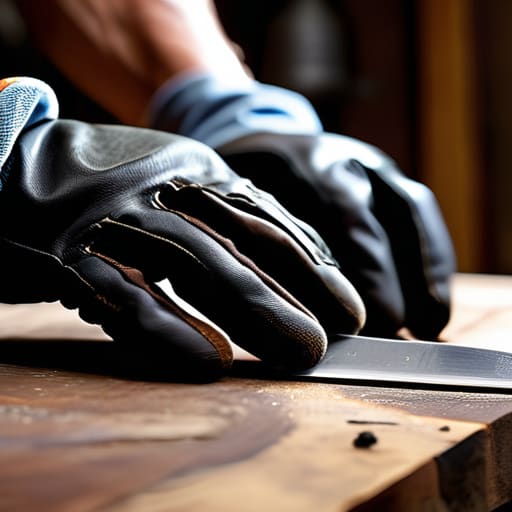
At the end of the day, picking your gear isn't about ticking a box to satisfy some inspector or following a generic manual. It’s about understanding the specific friction between your hands and the task. You’ve learned that a one-size-fits-all approach to safety is a recipe for inefficiency; if your gloves are too thick to feel the grain or your goggles fog up the moment you start sweating, you’ll eventually find yourself taking them off just to get the job done. That is when the accidents happen. Real protection means selecting equipment that works with your skill, not against it, ensuring that your gear is as reliable and well-maintained as the edge on a well-honed chisel.
I’ve spent forty years on sites and ten years in a classroom, and if there is one thing I know for certain, it’s that you cannot shortcut your way to excellence. You wouldn't use a dull saw and expect a clean cut, so don't expect to work safely with gear that doesn't fit the reality of your workshop. Treat your PPE with the same respect you give your finest hand tools. When you invest the time to choose the right kit and keep it in good repair, you aren't just following rules—you are protecting your craft and ensuring you can show up to the bench again tomorrow.