A Coiled Extension Lead Gets Hot
 Callum Reith-Sowande
I remember standing on a dusty site in the nineties, watching a lad try to daisy-chain three cheap, thin extension leads together just to power a heavy-duty planer. The smell of scorched plastic hit me before the smoke even did; that cord was cooking itself from the inside out. Most people think knowing how to use extension leads safely is about reading a thick manual or buying the most expensive, branded reel on the shelf. It isn't. It’s about understanding the simple physics of what you're pulling through that copper wire and having the sense to stop before you turn your workshop into a bonfire.
I’m not here to give you a lecture or sell you on some fancy new electrical gadgetry. I want to tell you what I learned from forty years of seeing what happens when things go wrong. I’ll show you how to spot a dodgy cable, why you should never ignore a warm plug, and the right way to manage your power without sacrificing your precision. This is straight talk from a man who’s seen enough blown breakers to last a lifetime.
Inspecting Power Cables Before They Fail You
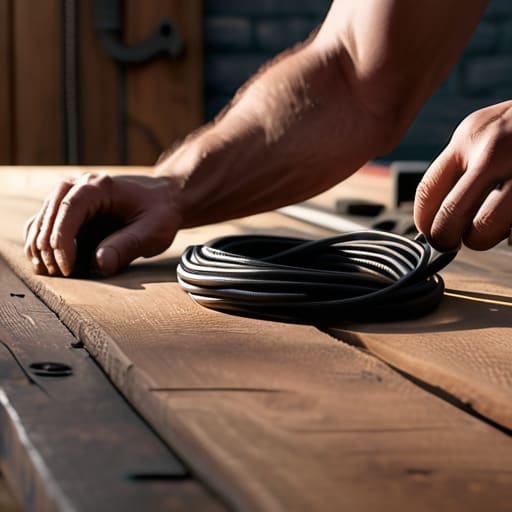
You wouldn't use a chisel with a cracked handle, so don't go thinking a power cable is any different. Before you even think about plugging anything in, you need to be inspecting power cables for any sign of wear. Run your hands along the length of the cord—don't just look at it. I’m looking for nicks in the insulation, spots where the copper might be showing through, or any areas that feel unusually warm or brittle. If the outer sheath is pinched or flattened from being stepped on or crushed under a workbench, it’s a liability.
A cable that looks fine on the outside might still be a ticking clock on the inside. If you see any fraying near the plug or the tool itself, that’s where the real trouble starts. This isn't just about being tidy; it's about avoiding extension cord fire hazards that can turn a workshop into a furnace in seconds. If the cord is damaged, you don't patch it up with electrical tape and hope for the best. You bin it and get a new one. A tool is only as reliable as the current feeding it.
Understanding Maximum Wattage Capacity for True Control
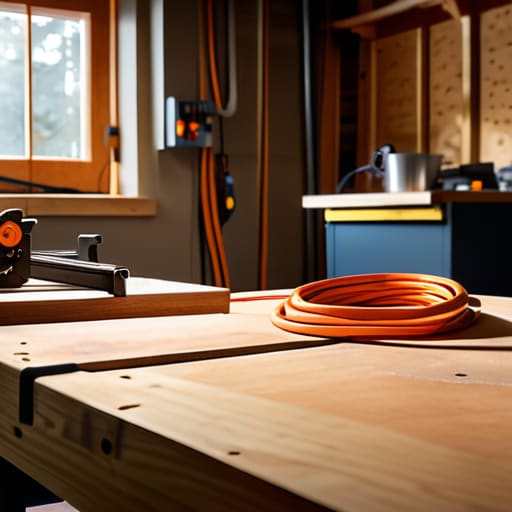
Now, here is where most people get it wrong. They see a lead plugged into a socket and assume it can handle whatever they plug into the other end. That isn't how it works. Every lead has a maximum wattage capacity, and if you ignore that, you aren't just being careless; you're asking for trouble. When I was teaching apprentices, I’d tell them that a tool is only as good as the power feeding it. If you try to run a heavy-duty table saw or a large planer through a thin, cheap cord, that wire is going to struggle. It’ll heat up, the insulation will soften, and before you know it, you’ve created a serious fire hazard in your own workshop.
The real danger comes when you start stacking them—what we call daisy chaining risks. Plugging one extension lead into another is a shortcut to disaster. It increases resistance and makes it nearly impossible to manage electrical overload prevention effectively. You might think you're just being resourceful, but you're actually bypassing the safety limits the manufacturer built in. Stick to one lead, know its limit, and if the tool pulls a lot of juice, run a dedicated line. It's better to take the extra minute to move a cord than to spend the afternoon dealing with a melted socket.
Five Ways to Keep Your Workshop from Turning into a Fire Hazard
- Stop coiling up the excess cable like a snail shell. If you leave a long lead wound in a tight loop while running a heavy machine, the heat has nowhere to go. It builds up inside that coil until the insulation starts to cook, and that's how you get a fire before you've even finished your first cut.
- Watch your step and your feet. I've seen too many lads trip over a trailing lead, dragging a heavy tool off the bench or, worse, yanking the socket right out of the wall. If you're working in a space where people are moving about, use cable covers or tape them down properly. A trip hazard is just as dangerous as a faulty wire.
- Leave the dampness to the weather. If you're working in a shed or a garage where the floor gets a bit of condensation or a leak, keep those connections well off the ground. Water and electricity are old enemies, and I've no desire to see a circuit board frying because someone left a lead sitting in a puddle.
- Don't go daisy-chaining your leads. I know it's tempting to plug one extension into another to reach that far corner of the workshop, but it's a recipe for disaster. Every connection is a point of resistance, and you're just increasing the chance of a voltage drop or a loose contact that'll heat up and melt. Use one lead that's long enough for the job.
- Give the plug a proper tug. When you're finished, don't grab the cord and yank it out of the wall like you're starting a lawnmower. That's how you loosen the internal connections and fray the wires inside the casing. Grab the plug itself, pull it straight, and treat it with the same respect you'd give a fine chisel.
Don't Let a Cheap Cord Ruin a Good Job
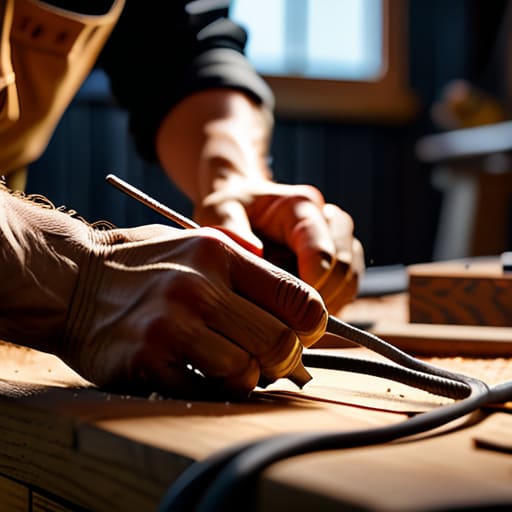
At the end of the day, using an extension lead isn't about following a manual; it’s about common sense and respect for the kit you're using. You’ve got to check those cables for nicks or fraying before you even think about plugging them in, and you absolutely cannot ignore the wattage limits. If you try to pull too much juice through a thin, flimsy cord, you aren't just risking a tripped breaker—you're risking a fire in your own workshop. Stick to the basics: inspect your gear, watch your load, and never, ever daisy-chain leads together like you're trying to win a race. Safety isn't a chore; it's part of the craft.
I’ve spent forty years on sites and in classrooms, and I’ve seen enough melted plastic and burnt-out motors to last a lifetime. People think they're saving time by cutting corners with their electrical setup, but a mistake like that will stop your work dead in its tracks for much longer than a quick inspection ever would. Treat your power tools and the cables that feed them with the same care you’d give a fine piece of seasoned oak. When you take the time to set things up right, you can focus on the actual work instead of worrying about the sparks. Keep your workspace tidy, keep your gear maintained, and keep your edge.