Rip and Crosscut and Why It Matters
 Callum Reith-Sowande
I remember standing in a dusty FE college workshop thirty years ago, watching a lad struggle with a cheap, mass-produced saw that wouldn't cut so much as a piece of soft pine. He was sweating, cursing, and trying to force a blunt piece of steel through a joint, convinced he just needed more muscle. That’s the trouble with most modern shops; they try to sell you a dozen different specialized blades before you even know the basics of how to choose a hand saw that actually works. Most of what you see in those shiny catalogues is just expensive clutter designed to separate a man from his wages, rather than help him get the job done.
I’m not here to sell you on a fancy brand name or a tool that’ll end up in a landfill the moment the teeth go dull. I want to show you how to pick a saw that has some real weight to it—something you can maintain and sharpen yourself for the next forty years. I’ll walk you through the teeth, the steel, and the handle, so you can stop fighting your tools and start actually using them.
Mastering Carpentry Saw Types and Blade Geometry
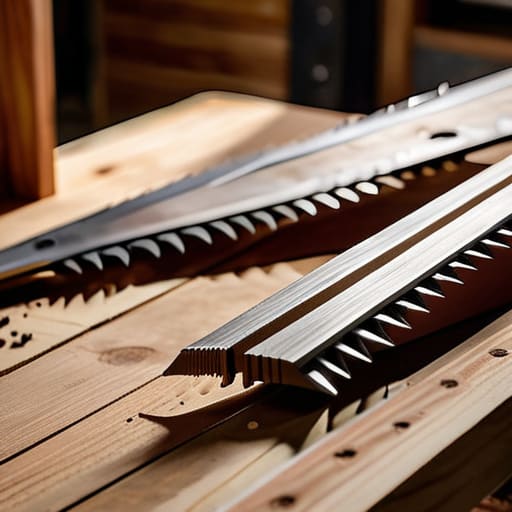
You can't just grab the first saw you see in the shed and expect a clean line. You need to understand the difference between carpentry saw types before you even touch the timber. If you’re looking to rip a straight line down a plank, you want a saw with a larger tooth pitch—what some call coarse teeth—to clear out the waste quickly. But the moment you start working on joinery, like a dovetail or a tenon, you need to switch to something with a much finer tooth count. A saw with too much "bite" will tear your grain to shreds, leaving you with a mess that no amount of sanding can truly fix.
Then there is the matter of stability. I always tell my students that the choice between a back saw vs hand saw comes down to how much control you actually need. A back saw has that stiffening rib along the top, which keeps the blade from wandering when you're making precise, delicate cuts. Without that weight and rigidity, you're just fighting the blade the whole way through. It’s all about the saw blade geometry and knowing which tool matches the job at hand.
Decoding the Truth of Fine vs Coarse Teeth
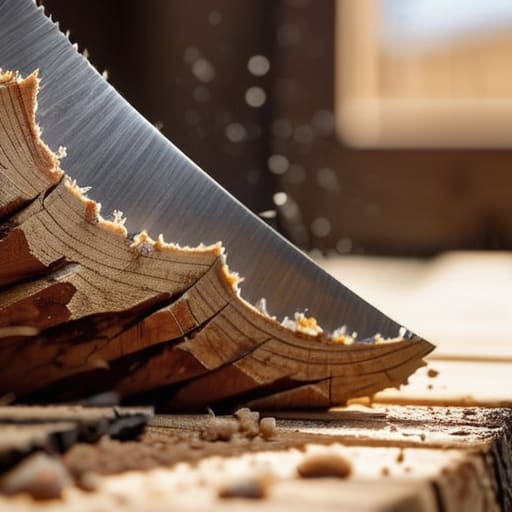
Now, don't let the marketing fluff fool you when you're looking at a row of saws in the shop. People get caught up in the numbers, but what you’re really looking at is the hand saw tooth pitch. A coarse tooth is like a hungry dog; it bites deep and moves fast, making it perfect for ripping through a thick piece of oak when you don't care about a bit of splintering. If you're just framing a wall or clearing out some rough timber, you want that aggression.
However, if you try to use a coarse blade on a delicate joint, you'll end up fighting the wood rather than working with it. That’s where the distinction between fine vs coarse teeth becomes your best friend. For joinery—the sort of work that requires a clean, tight fit—you need a finer tooth count. It takes a bit more patience and a steady hand, but it leaves a surface so smooth you’ll barely need to reach for the plane. It’s about choosing the right tool for the specific job, not just the one that looks the flashiest on the pegboard.
Five Things to Check Before You Open Your Wallet
- Hold the handle first. I don't care how much the steel costs; if the grip feels thin or awkward in your palm, you'll be fighting the tool instead of the wood by lunchtime. A saw should feel like an extension of your arm, not a piece of plastic you're trying to wrestle.
- Look at the spine. If you're picking up a backsaw for joinery, that brass or steel spine needs to be straight and heavy enough to keep the blade true. A flimsy spine leads to a wandering cut, and once a blade starts wandering, you're just making kindling.
- Test the weight balance. A good saw shouldn't feel nose-heavy or tip-heavy. Pick it up and let it hang; if it feels like it wants to pull itself out of your hand, put it back on the peg. You want the weight to work with your stroke, not against it.
- Check the plate thickness. Don't get fooled by those cheap, thin blades that look shiny in the shop window. If the steel is too thin, it'll buckle the moment you apply any real pressure. You want a bit of substance behind that edge so it holds its line through the grain.
- Avoid the "disposable" trap. Before you buy, ask yourself if you can sharpen it. Many modern saws come with teeth that are too hard or shaped in a way that makes them impossible to rework. If you can't fix it when it goes blunt, you aren't buying a tool—you're buying a consumable.
The Right Tool for the Job
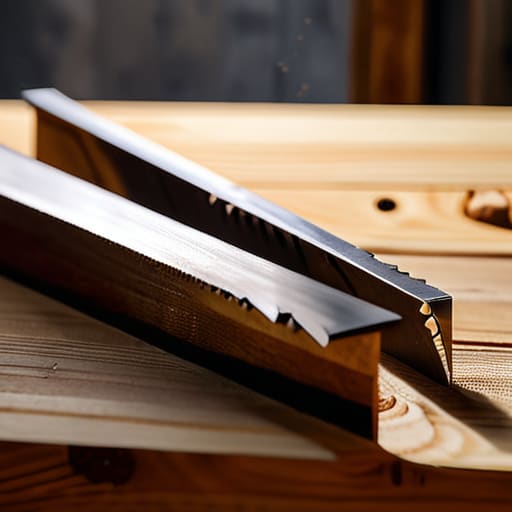
At the end of the day, picking a saw isn't about buying the most expensive kit in the catalogue; it’s about understanding what you’re actually trying to achieve. If you’re ripping a thick piece of oak for a frame, you need that coarse tooth to clear the waste. If you’re finishing a delicate joint, you need the fine teeth to keep the grain from tearing. You’ve got to match the blade geometry to the wood, otherwise, you’re just fighting against yourself. Remember, a saw that’s too fine for a heavy rip will clog and heat up, and a saw that’s too coarse for a crosscut will leave you with a messy, jagged edge that no amount of sanding can truly fix. Respect the teeth.
I’ve spent forty years watching people reach for the circular saw the moment a task looks difficult, but there is a quiet sort of mastery that comes from a well-chosen hand saw. It’s about the connection between your shoulder, your arm, and the timber. When you find that perfect blade—one that’s balanced and bites exactly where you tell it to—you’ll find a rhythm that a motor simply cannot replicate. Don't be in such a hurry to finish that you forget to actually work the wood. Get the right tool in your hand, keep it clean, and I promise you'll find that the slow way is often the fastest way home.