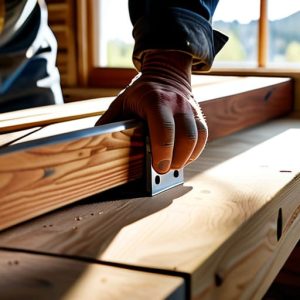
What to Check on a Used Plane
 Callum Reith-Sowande
I spent forty years on site and another ten in the classroom, and if there’s one thing that gets my blood up, it’s the modern obsession with "new is better." You walk into a big-box retailer today and they try to sell you a plastic-bodied, battery-dependent piece of junk that’s designed to be replaced the moment a gear slips. They want you to think you need the latest shiny gadget to get the job done, but they’re lying to you. If you actually want to learn how to buy second hand tools that possess some real soul and longevity, you have to stop looking at the price tag and start looking at the integrity of the steel.
I’m not here to give you some polished, corporate guide on scouring online marketplaces. I’m going to tell you exactly what I look for when I’m rummaging through a dusty garage sale or a local swap meet. I’ll show you how to spot the difference between a tool that’s just been well-loved and one that’s been beaten into submission. My goal is simple: I want to help you find equipment that is worth the effort of a bit of oil and a sharpening stone, tools that will actually outlast us both.
Where to Find Quality Used Tools Beyond the Local Hardware Store
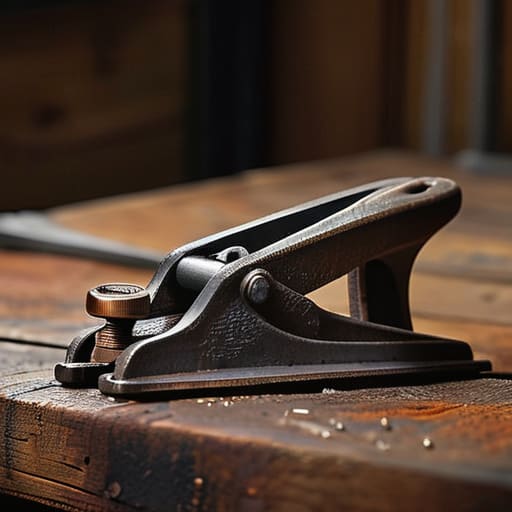
You won't find the real treasures sitting on a shelf in a big-box retailer. Most of those shops just stock the plastic rubbish meant to be replaced every two years. If you want something that actually lasts, you need to be looking at buying tools at estate sales or scouring local auctions. That’s where the old masters left their kits. You’ll find heavy, forged steel and cast iron that makes modern gear look like toys. Just be prepared to get your hands a bit dirty; the best finds usually need a good soak in some oil and a bit of elbow grease before they’re ready for the bench.
I’ve also had some luck at small, independent repair shops. These blokes know their trade, and they often have a pile of "project" tools in the back. If you’ve got a knack for refurbishing second hand hand tools, this is your goldmine. You might pick up a set of chisels with chipped bevels for next to nothing, but once you've put them through the stones, they'll outwork anything bought new. It’s about seeing the potential in the steel, not just the rust on the surface.
A Used Power Tool Inspection Checklist for the Skeptical Craftsman
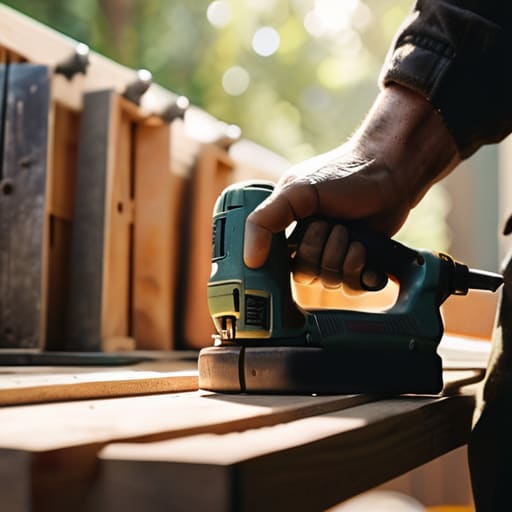
When you’re standing there at an estate sale or a garage sale, don't let the low price tag cloud your judgment. You need a mental used power tool inspection checklist before you even think about reaching for your wallet. First, give the casing a proper look. If the plastic is cracked or the housing feels brittle, walk away; that tool won't survive a year of real work. Next, pull the trigger. You aren't just listening for the motor to hum; you’re listening for irregularity. A steady, even drone is what you want. If it sounds like a bag of marbles being shaken in a tin can, the bearings are shot, and that’s a repair job you likely don't want.
Check the cord, too. If it’s frayed or has been patched with electrical tape, it’s a safety hazard, plain and simple. For cordless gear, look closely at the battery terminals for any green corrosion. Even if the seller claims "it works fine," a dead battery can turn a bargain into a paperweight. Always test the tension on any adjustable parts, like a saw's depth gauge, to ensure they actually hold their position under pressure.
Identifying Counterfeit Power Tools Before They Ruin Your Day
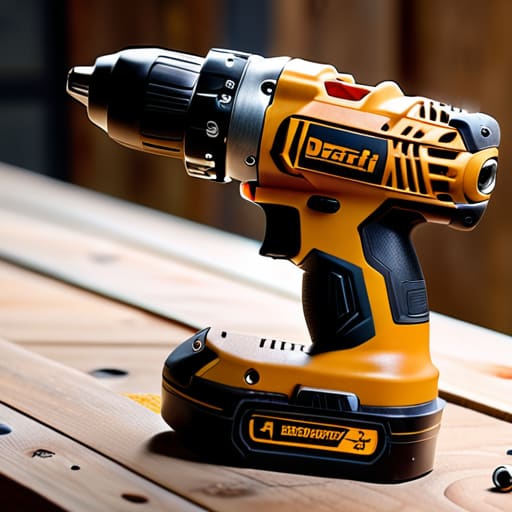
Now, I’ve seen it happen more than once: someone finds a "bargain" drill at a yard sale, only to have it smoke and die the moment it hits a bit of seasoned oak. Identifying counterfeit power tools isn't just about looking for a fake logo; it’s about looking at the soul of the machine. A real, high-quality tool has a certain heft and a way the plastic meets the metal. If the casing feels light, hollow, or looks like it was molded by someone in a hurry, leave it on the table. Cheap imitations use inferior copper in the motor windings and rubbish insulation that won't stand up to a real day's work.
Check the labels and the casting marks too. On a genuine piece of kit, the branding is usually etched or molded deep into the housing, not just a flimsy sticker that peels at the corners. I always look at the ventilation slots and the screw heads. If the screws look stripped or the plastic around the vents is jagged and poorly finished, you’re looking at a knock-off. You don't want to spend your afternoon trying to fix a tool that was never built to be repaired in the first place.
Mastering the Craft of Negotiating Prices for Used Equipment
Now, don't go walking into a garage sale or an estate auction expecting to bark orders like a foreman on a Monday morning. It’s about reading the room. If you're buying tools at estate sales, you’re often dealing with families who just want the clutter gone, not a lecture on motor torque. If they don't know what they have, don't try to lowball them just because the box is battered. Instead, point out the small things—a frayed cord or a cracked casing—and let them see that the tool needs a bit of work. It’s much easier to get a fair price when you’re pointing out the reality of the repair rather than just being cheap.
When you do find something good, use your knowledge as leverage. If you've already run through your used power tool inspection checklist and found a worn carbon brush or a dodgy trigger, mention it calmly. I never haggle just for the sake of it; I haggle because I know exactly what it’ll cost me in time and parts to get it back to a working standard. If the price is too high for a tool that needs a complete overhaul, walk away. There’s no sense in paying premium prices for something that's destined for the scrap heap.
Five Rules of Thumb Before You Part With Your Hard-Earned Cash
- Look past the surface grime. A bit of sawdust or a layer of grease is just character, but if you see pitting in the metal or cracks in the casing, walk away. You can clean a tool, but you can't fix a structural failure.
- Test the "feel" of the tool in your own hand. A drill might look fine on a workbench, but if the vibration feels uneven or the weight is off-balance, there’s something wrong with the bearings or the motor inside.
- Check the consumables. If you’re buying a planer or a saw, look at the condition of the blades or the bits. If they’re blunt or chipped, you’re not just buying a tool; you’re buying a trip to the sharpening stone or a trip to the shop for replacements.
- Demand to see it run. I don't care if the seller is in a rush; if it’s a power tool, it needs to be plugged in or have a fresh battery. Listen to the sound—it should be a steady hum, not a grinding or a stuttering mess.
- Verify the brand's repairability. I won't touch a tool if I can't find a replacement part for it. Before you buy, do a quick mental check: can I actually fix this if a switch fails or a gear slips, or is it just more expensive landfill?
The Long Game
At the end of the day, buying second-hand isn't just about saving a few quid; it’s about being smart with your kit. You’ve learned to look past the surface rust, to check the motor for that tell-tale burnt smell, and to verify that what you’re holding isn't some cheap knock-off. Whether you're scouring estate sales or haggling at a car boot sale, remember that your goal is to find something with substance. If you follow these steps—testing the weight, inspecting the casing, and knowing when to walk away—you won't end up with a box of expensive scrap metal. You’ll find tools that have been built to last, even if they need a bit of a clean-up first.
I’ve spent forty years on site and another ten in the classroom, and if there’s one thing I know for certain, it’s that a tool is only as good as the man using it. Don't get caught up in the latest shiny, plastic-wrapped gadget that’s designed to be replaced in two years. Instead, hunt for the gear that has a bit of history behind it. There is a real satisfaction in taking something old, worn, and overlooked, and bringing it back to life through a bit of honest work. Buy tools that you can fix, tools that you can respect, and tools that will still be working long after the latest battery-powered trend has gone to the scrap heap.