A Tool Rack That Keeps Edges Safe
 Callum Reith-Sowande
I spent thirty years on site and another ten in a college workshop, and if there’s one thing that gets my blood up, it’s seeing a lad spend a month's wages on some fancy, plastic-molded modular system just to keep his kit tidy. Most of those modern "storage solutions" are nothing more than expensive ways to hide your tools from yourself. They’re built to be replaced, not to last, and they usually end up trapping moisture against the steel. If you're looking for advice on how to store hand tools, don't go buying into the marketing hype that tells you a tool is only as good as the box it sits in. A tool is only as good as the edge you keep on it, and poor storage is the fastest way to turn a fine chisel into a useless piece of scrap.
I’m not here to sell you a lifestyle or a brand-new workbench. I'm going to show you how to treat your steel with the respect it deserves using simple, practical methods that actually work. I'll be sharing exactly how to store hand tools so they stay dry, stay protected, and—most importantly—stay ready to work the moment you pick them up.
Protecting Metal Tools From Moisture and Oxidation
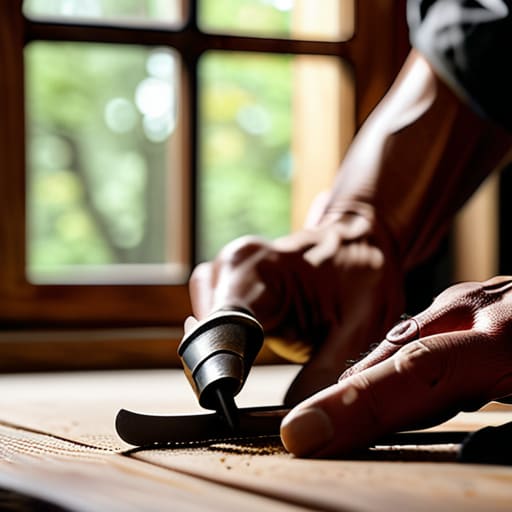
If you leave your chisels or plane irons sitting out in a damp shed, you aren't just being messy; you’re inviting rust to eat your hard work. I’ve seen too many young lads treat a fine steel blade like a piece of scrap iron, leaving it to sit in the humidity. Preventing tool oxidation isn't some complex science; it's just about being mindful. I always keep a rag soaked in a bit of Camellia oil or even just a light machine oil nearby. Before anything goes back in its place, I give the metal a quick wipe. If you don't, you’ll wake up to find a layer of orange grit where there used to be a mirror finish.
It’s also worth looking at your environment. If your workspace feels heavy with moisture, no amount of oil will save you in the long run. I’ve found that protecting metal tools from moisture starts with controlling the air around them. A bit of silica gel in your tool chest or a dehumidifier in the corner can make a world of difference. Don't let a bit of condensation turn a precision instrument into a paperweight.
Efficient Tool Accessibility Over Chaotic Pileups
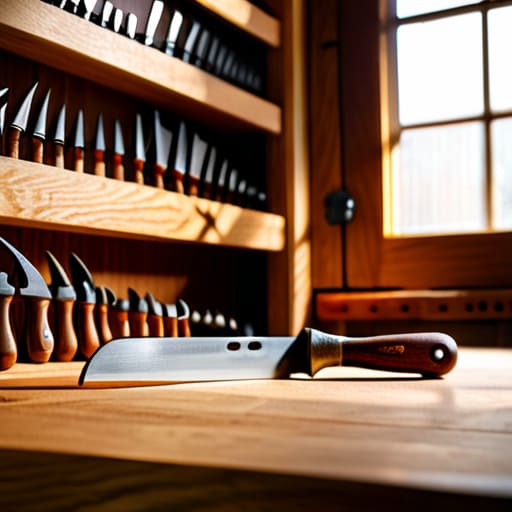
I’ve spent enough years on-site and in the classroom to know that a cluttered bench is a slow bench. If you’re spending ten minutes digging through a heavy drawer just to find a tenon saw, you aren’t working; you’re just searching. I’ve seen too many young lads treat their workspace like a junk drawer, tossing everything into a pile and wondering why they can't finish a joint before lunch. Real efficient tool accessibility isn't about having a fancy, expensive setup; it’s about knowing exactly where your chisel is without having to look.
I’m a firm believer in a sensible pegboard tool layout. There’s something to be said for seeing your tools laid out clearly against the wall. It keeps them off the damp benchtop—which helps with preventing tool oxidation—and it forces you to be disciplined. If a tool doesn't have a dedicated home, it doesn't belong in the shop. When every plane and mallet has its own spot, you can focus on the wood instead of the mess. A tidy shop keeps your mind steady, and a steady mind makes for better joinery.
Five Ways to Stop Your Tools from Turning into Scrap
- Stop letting your chisels roll around loose in a drawer. If they’re banging against each other, you aren't just risking a nick in the steel; you're dulling the edge before you've even sat down to work. Use wooden tool rolls or individual slots in a rack to keep those edges isolated and safe.
- Keep a rag soaked in a bit of camellia oil or even just a light machine oil handy. Before you put a tool away for the night, give the metal a quick wipe. It takes thirty seconds, but it beats spending your entire Saturday morning scrubbing orange rust off a plane iron.
- If you’re working in a shed or a garage, watch your humidity. I’ve seen more good steel ruined by a damp corner than by actual misuse. If your workshop feels clammy, get a dehumidifier or at least a few silica gel packets in your tool chests. A damp environment is the enemy of a sharp edge.
- Don't be a hoarder with your workbench space. I see lads buy every gadget under the sun, then they can't find their favorite mallet because it's buried under a mountain of half-finished projects. If you can't see it, you won't use it, and if you don't use it, it'll just sit there gathering grit.
- Group your tools by how you actually use them, not just by what they look like. Keep your marking tools near your measuring gear and your cutting edges in their own dedicated spot. A workshop should work with you, not force you to play scavenger hunt every time you need to make a single paring cut.
The Long View on Tool Care
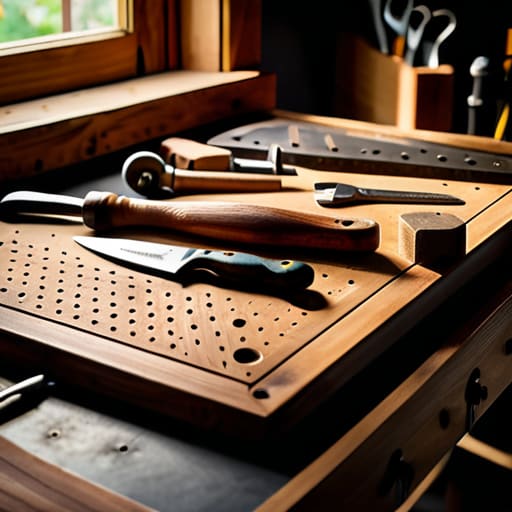
At the end of the day, it comes down to the basics. If you keep your steel away from the damp, keep your edges protected, and stop treating your workshop like a scrap heap, you’ve already won half the battle. It isn't about having the fanciest custom-built cabinets or the most expensive storage solutions you can find in a catalogue. It’s about the simple discipline of treating your tools with respect. When you take the time to wipe down a plane iron or hang a chisel properly, you aren't just tidying up; you are ensuring that when you actually need to get to work, your equipment is ready to perform rather than needing an hour of remedial maintenance first.
I’ve spent forty years on sites and another ten in the classroom, and I’ve seen plenty of young lads burn through tools because they treated them like disposables. They buy cheap, they use them until they're blunt, and then they bin them. Don't fall into that trap. A well-maintained tool is a lifelong companion, something you can pass down to a grandchild or a student long after you've hung up your apron. Invest the time in the storage now, and I promise you, the tool will always reward the effort. Keep them sharp, keep them dry, and they’ll never let you down.