Price Compared Including Delivery
 Callum Reith-Sowande
I spent forty years on site, and if there’s one thing I learned, it’s that people love to hide the truth behind a mountain of paperwork. Most folks think they need a complex spreadsheet or a fancy consultant to figure out how to compare prices across suppliers, but that’s just more fluff designed to keep you paying. It’s like a salesman trying to sell you a cheap, disposable power saw when a decent hand plane would last a lifetime; they want you focused on the sticker price so you don't notice the lack of quality underneath. They make it complicated because a simple, sharp truth is harder to profit from.
I’m not here to give you a lecture or a complicated formula. I’m going to show you how to strip away the nonsense and look at the actual cost of what you're buying. I’ll teach you how to line up the quotes, spot the hidden fees, and ensure you aren't being sold a lemon just because it looks cheap on paper. We’re going to do this the right way: straight, steady, and without the waste.
The Precision of Total Cost of Ownership Analysis

Most people make the mistake of looking only at the sticker price, much like a man who buys a cheap, soft-steel chisel because it saves him a few quid upfront. He thinks he’s winning until he’s spent three hours at the grindstone just to get a decent edge. You have to look at the total cost of ownership analysis if you want to actually save money. It isn't just about what you pay when the invoice arrives; it’s about how often that tool breaks, how much time you waste fixing it, and the cost of the downtime when your work grinds to a halt.
When I was teaching the apprentices, I’d tell them that a cheap supplier is often the most expensive one in the long run. You need to build your vendor evaluation criteria around more than just the bottom line. Factor in the shipping delays, the quality of the material, and whether the bloke on the other end actually stands by his word. If you only focus on unit price vs bulk pricing, you’re missing the grain of the wood. You aren't just buying a product; you're buying the reliability of your entire workflow.
Unit Price vs Bulk Pricing Avoid the False Edge
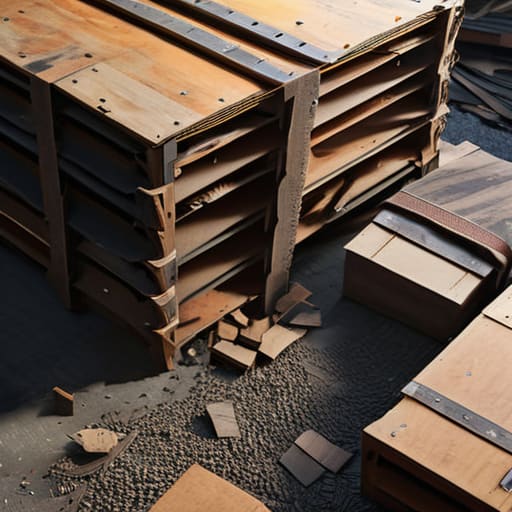
You’ll see it all the time in the trade: a supplier offers a massive discount if you buy your timber or fasteners in bulk. It looks like a sharp deal on the surface, but if you don't look closer, you're just buying a pile of problems. I’ve seen lads sink their entire budget into a mountain of cheap stock, only to realize they’ve paid more in the long run because the quality was rubbish or they had nowhere to store it.
When you're looking at unit price vs bulk pricing, you have to ask yourself what that extra stock is actually costing you. If you’re buying more than you can use before the quality degrades, or if you're tying up all your cash in a warehouse, that "saving" is a lie. Real procurement cost optimization isn't about grabbing the biggest pile for the lowest penny; it’s about ensuring the material you buy actually does the job without needing to be replaced twice. Don't let a low sticker price dull your common sense.
Don't Get Lured by the Shiny Surface: Five Ways to Measure a Real Deal
- Look past the sticker price. A cheap chisel that loses its edge in ten minutes is twice as expensive as a quality one that lasts a decade. Always factor in how long the tool actually works before it needs more attention.
- Check the delivery terms before you commit. I’ve seen many a "bargain" swallowed up by shipping costs and hidden surcharges. If the price looks too good to be true, check if they're tacking on a fee just to get it to your door.
- Verify the consistency of the supply. A supplier might give you a cracking price today, but if they can't guarantee the same quality or availability next month, you'll end up scrambling. A steady supply is worth more than a one-off discount.
- Ask about the aftercare and warranty. I won't touch a tool if I can't fix it, and I certainly won't buy from a supplier who won't stand by their stock. A supplier that offers a proper replacement or repair policy is a supplier worth your time.
- Get everything in writing. Don't rely on a handshake or a quick chat on the phone. Line up the quotes side-by-side, look for the fine print, and make sure you're comparing apples to apples, not apples to bruised pears.
Cutting Through the Noise
At the end of the day, comparing suppliers isn't about finding the lowest number on a single invoice; it's about seeing the whole piece of timber before you make your first cut. You have to look past that flashy unit price and account for the hidden costs—the shipping delays, the poor quality that requires rework, and the true cost of keeping that item in your workshop over time. If you only chase the cheapest sticker price, you’re essentially buying a blunt chisel and expecting it to do the work of a fine paring tool. It’s a mistake that costs more in time and frustration than any small saving is ever worth. You need to measure twice and cut once when it comes to your budget, ensuring every penny spent actually adds value to your craft.
I’ve spent forty years learning that the most expensive way to do a job is to do it twice because you tried to save a few quid on the first go. Whether you are sourcing specialty timber or basic consumables, approach your suppliers with the same scrutiny you apply to a piece of seasoned oak. Don't let them sell you a dream of savings if the reality is a pile of scrap. Build your supply chain with the same intention you use to build a mortise and tenon joint: solid, reliable, and built to last. Once you stop chasing cheap shortcuts, you'll find you have more time to focus on the work that actually matters.