Repairing So the Next Person Can Undo It
 Callum Reith-Sowande
I spent forty years on-site and another ten in the classroom, and if there’s one thing that gets my blood boiling, it’s the modern obsession with "permanent" fixes. You go into any hardware shop today and they’ll try to sell you a tube of high-strength epoxy or a chemical resin that promises to fix anything forever. They call it a solution, but in my book, it’s a trap. If you use a glue that bonds at a molecular level, you haven't fixed the piece; you've just killed it. Learning how to make a repair reversible isn't some fancy trick for museum curators—it’s the difference between a piece of furniture that lasts a century and a piece of rubbish that ends up in a skip because you couldn't undo a mistake.
I’m not here to give you a lecture on chemistry or sell you on expensive, one-way adhesives. I want to show you how to work with the wood, not against it. I’ll be sharing the practical, honest methods I used throughout my career to ensure that any fix can be undone when the next generation takes a turn with it. We’re going to talk about mechanical fasteners, traditional joinery, and the right glues that respect the material. My goal is simple: I want to help you make repairs that are strong enough to hold, but smart enough to let go when the time comes.
Mastering Non Destructive Repair Methods Over Brutal Force
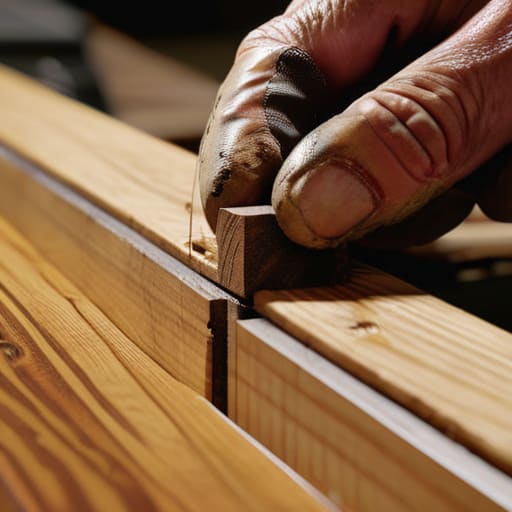
I’ve seen too many young lads walk onto a site, see a split in a piece of seasoned oak, and reach for the heavy-duty construction adhesive or, heaven forbid, a massive amount of wood filler. They think they're fixing it, but they're really just burying the problem under a layer of permanent sludge. That isn't repair; it's a cover-up. In my years teaching, I always hammered home the idea of mechanical fixings vs chemical bonding. If you use a screw or a well-placed dowel, you’ve got a way out. If you pour in a two-part epoxy, you’ve essentially signed a death warrant for that timber.
You have to respect the wood. It breathes, it moves, and it’s got a memory. When you use a permanent glue, you're fighting the material's nature. I prefer to look at it through the lens of non-destructive repair methods. If a joint has failed, I’d rather use a clever bit of joinery or a removable adhesive for artifacts—if we were talking museum pieces—than something that's going to scar the grain forever. Don't force a solution that leaves you with no way to go back and do it properly when you've finally gained the skill to match the task.
Mechanical Fixings vs Chemical Bonding Choosing Your Weapon
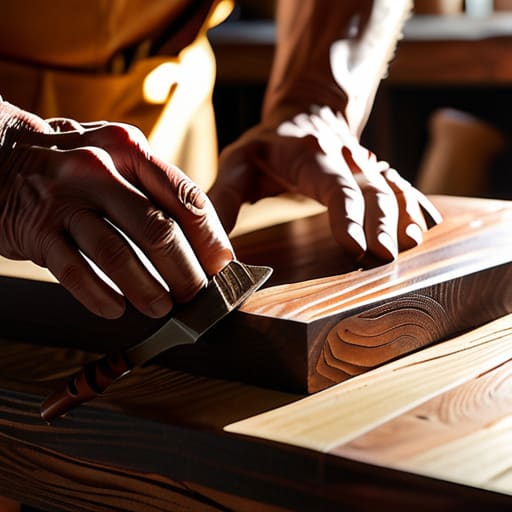
Now, you’ve got a choice to make when a joint goes or a piece of timber splits: do you reach for the glue or the hardware? I’ve seen too many young lads rush to the workshop cabinet and slather a crack in PVA or, heaven forbid, a modern epoxy, thinking they’ve fixed the problem. They haven't. They’ve just committed a crime against the wood. Once that chemical bond sets, it’s part of the grain forever. If you want to follow the reversibility principle in art restoration—even if you’re just fixing a drawer front—you need to think about what happens fifty years from now.
If you use a screw or a wooden dowel, you’re using mechanical fixings vs chemical bonding to your advantage. A well-placed screw can be backed out, and a dowel can be carefully extracted if you’ve done the job right. It’s about respecting the material. If you must use an adhesive, stick to something that won't turn into a permanent plastic tombstone. I always tell my students: if you can't undo it with a bit of heat or a solvent, you shouldn't be doing it in the first place.
Five Rules to Keep Your Mistakes Fixable
- Stop reaching for the wood glue first. If you’re joining two pieces that might need to come apart in a year—like a drawer bottom or a trim piece—use a mechanical fix like a screw or a dowel. Glue is a permanent marriage, and once it sets, you're just hacking at the wood to get it back.
- If you must use glue, use the right kind. I don't care what the modern tin says; if you want to be able to undo a joint later, use hide glue. It’s old-fashioned, sure, but you can soften it with heat and moisture when it's time for a repair. PVA is just a plastic tomb for your timber.
- Use pilot holes every single time. I’ve seen too many young lads drive a screw straight into a piece of seasoned oak only to watch the grain split wide open. A pilot hole keeps the wood intact so that if you ever need to back that screw out, the surrounding timber is still healthy and strong.
- Think about your fasteners. A countersunk screw is a good thing, provided you know how to fill it properly. Use a plug made from the same species of wood rather than a blob of colored putty. A wood plug can be drilled out and replaced; putty just turns into a dusty mess that looks rubbish.
- Don't be afraid of a clamp. Sometimes the best way to make a repair reversible is to avoid a permanent bond altogether. If a part is prone to wear or breakage, design it to be held in place by tension or a simple wedge. It’s better to have a joint that needs a quick tighten once a year than one you have to replace entirely.
Thinking Twice Before You Commit
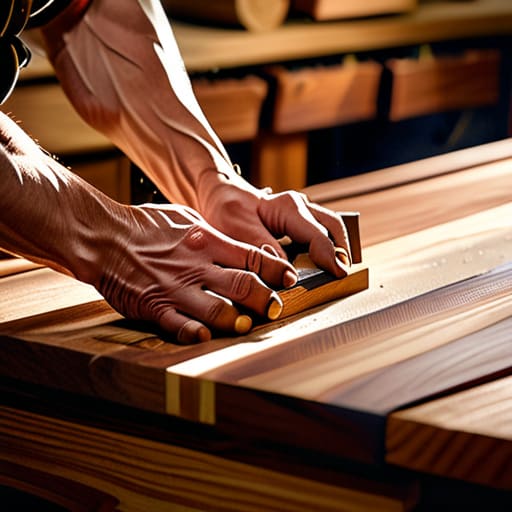
At the end of the day, making a repair reversible isn't about being indecisive; it’s about having the sense to know that wood moves and mistakes happen. Whether you’re opting for a well-placed screw over a bead of permanent epoxy, or choosing a traditional joinery method that can be knocked apart with a mallet, you are essentially protecting the future of the piece. If you rely solely on chemical bonds and brute force, you aren't fixing something—you're just burying the problem under a layer of glue. Stick to mechanical fixings when you can, and if you must use an adhesive, make sure it’s one that won't turn a simple adjustment into a total demolition job later on.
I’ve spent forty years on sites and classrooms seeing men ruin perfectly good timber because they were in too much of a hurry to do it properly. They treat every repair like it's written in stone, but good craftsmanship is about foresight. When you work with a mindset of reversibility, you aren't just fixing a crack or a loose joint; you are respecting the material and the person who might have to work on it fifty years from now. Take your time, choose your method with intention, and remember that true skill lies in the ability to undo what you have done.