Signing Someone Off on a Machine
 Callum Reith-Sowande
I spent ten years in the FE college classrooms, and if there is one thing that gets my blood up, it’s seeing a supervisor hand a green apprentice a thick binder of safety regulations and a clipboard, then walk away. That isn't training; it's just passing the buck. If you think you can tick a box on a form and call it a day, you’ve already failed. Learning how to induct someone into a workshop isn't about compliance or paperwork—it’s about teaching them the feel of the tool and the respect the machine demands. You can't learn the weight of a mallet or the bite of a chisel from a laminated sheet of paper.
I’m not here to give you any corporate fluff or management theories that don't work when sawdust is flying. I’m going to tell you exactly how I used to do it on-site and in the college, focusing on the practical realities of keeping people safe and capable. We’ll skip the nonsense and get straight to the methods that actually build competence, ensuring your newcomers understand that a workshop is a place of precision, not a playground for the careless.
Precision Onboarding Setting the Standard for New Workshop Users
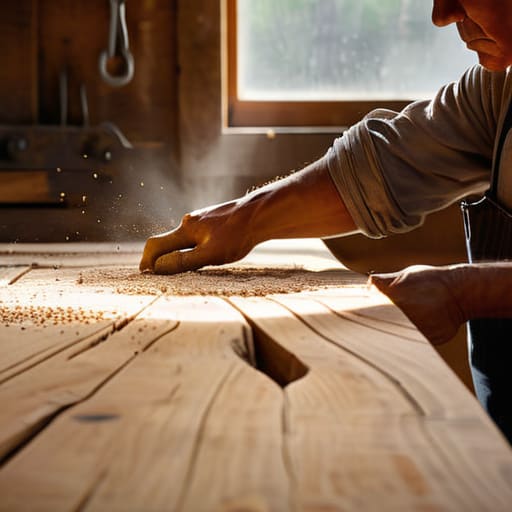
You can’t just point at a machine and hope for the best. When I was teaching at the college, I saw too many lads think they knew enough because they’d watched a YouTube video. That’s not how it works. Real machinery operation training isn't about ticking a box; it’s about watching how they hold the timber and seeing if they actually respect the blade. If they don't understand the physics of the cut, they're a danger to themselves and everyone else in the room.
I always tell my apprentices that a proper competency assessment checklist shouldn't be a piece of paper you hide in a drawer. It’s a living thing. You need to see them struggle a bit, then see them correct their stance. If they can't demonstrate a clean, controlled pass on a piece of scrap, they aren't ready for the good stock. You aren't just teaching them how to use a tool; you are teaching them how to listen to it. If they can't hear when a bit is dull or a motor is straining, they haven't passed my test.
The Sharp Edge of Essential Workshop Safety Protocols
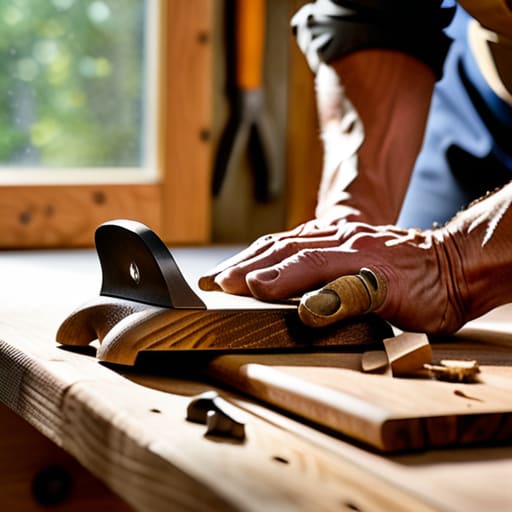
Now, I’m not one for reading a pile of paperwork just for the sake of it, but you can't ignore the basics. When you’re onboarding new workshop users, it’s easy to get caught up in the excitement of them actually making something, but that’s exactly when mistakes happen. You need a proper competency assessment checklist that actually means something. I don’t care if they’ve been sawing wood since they were five; they haven't worked in your shop, using your gear, until you've seen them handle a chisel or a plane correctly.
It’s not just about avoiding a trip to the hospital, though that’s the main point. Real workshop safety protocols are about respect for the tools. If a lad doesn't understand the difference between a controlled cut and a slip, he shouldn't be near the bench. I always tell my students that machinery operation training is useless if they haven't mastered the hand tools first. If they can't control a sharp blade by hand, they have no business touching a powered sander. Keep it practical, keep it strict, and don't let them skip the fundamentals.
Don't Just Hand Them a Manual: Five Ways to Get Them Right
- Show them the tools, don't just name them. A lad can read a list of names in a book, but he won't know the weight of a good mallet or the way a chisel should feel in his hand until you put it there. If they don't understand the tool, they'll treat it like a disposable bit of plastic.
- Teach them the sound of a working machine. You can tell more about a workshop's health by the pitch of a motor or the rhythm of a plane than any safety sign on the wall. If they can't hear when something is running wrong, they aren't ready to be left alone.
- Make them respect the edge. I tell my students that a dull blade is more dangerous than a sharp one because it forces you to use brute strength instead of control. Part of their induction must be learning how to maintain an edge, not just how to use it.
- Watch them work before you walk away. You can talk until you're blue in the face about safety protocols, but it doesn't mean a thing until you see them actually pick up a piece of timber. If they're gripping a tool too tight or standing in a way that invites a slip, you fix it then and there.
- Establish the "Repair or Replace" rule early. If they think a tool is a consumable to be tossed when it gets a nick in it, they'll never respect the craft. Show them how to fix what's broken from day one; it builds a sense of ownership that keeps the workshop in good nick.
The Last Grain of Sand
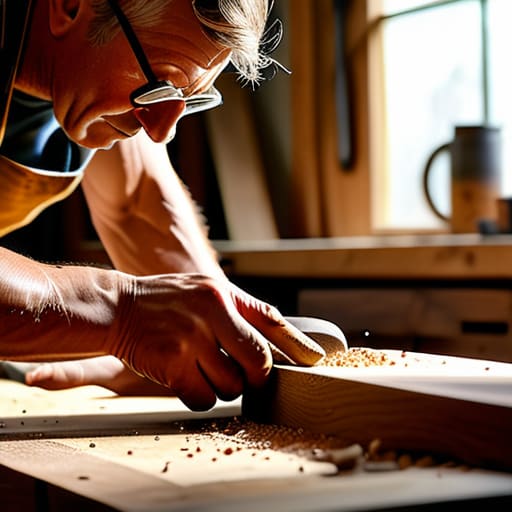
At the end of the day, a proper induction isn't about ticking boxes on a clipboard or making sure they've read the fine print. It’s about teaching them to respect the material and the machinery. You’ve shown them the safety protocols, you’ve set the standard for how a workspace should look, and you’ve made sure they know that precision isn't optional. If you skip the fundamentals—if you let them skip the prep work or ignore the maintenance—you aren't just risking a broken tool; you’re cultivating a bad habit. And in my forty years on site, I've learned that bad habits are much harder to fix than a snapped chisel.
Don't view this process as a chore that gets in the way of the real work. View it as the foundation of everything they will build. When you take the time to show a newcomer how to truly handle a tool, you aren't just teaching a skill; you're passing on a way of life. You're teaching them that there is dignity in a well-maintained workshop and pride in a clean edge. Do it right, do it slow, and eventually, you’ll see them working with that same steady hand and quiet confidence that defines a real craftsman. That’s when you know the induction actually worked.