Fitting a Vice to a Bench
 Callum Reith-Sowande
I remember a lad I taught back at the college, bright kid but he’d spent a fortune on a massive, cast-iron beast of a vice he’d found online. It looked impressive, sure, but the moment he tried to plane a piece of seasoned oak, the whole thing shuddered and let the timber slip. He’d fallen for the marketing, thinking more weight meant more quality. When people ask me how to choose a workbench vice, they’re usually looking at the wrong things—they're looking at the price tag or the sheer size, rather than how the mechanism actually behaves under a load. You don't need a monument in your workshop; you need something that bites hard and doesn't move an inch when you're working a fine edge.
I’m not here to sell you on some shiny, over-engineered gadget that’ll end up in a skip in five years. I’ve spent forty years on-site and ten in the classroom, and I’ve seen enough junk to know what lasts. I’m going to tell you exactly what to look for in terms of jaw grip, screw durability, and real-world stability. I'll show you how to spot the difference between a tool that’s built to be repaired and one that's just another bit of disposable rubbish.
Machinist Vice vs Woodworking Vice Picking Your Weapon
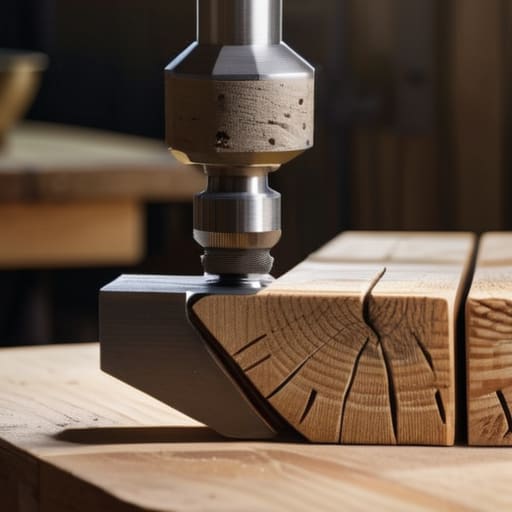
Now, you’ll see all sorts of things in the shops, and the biggest mistake I see is a lad buying a machinist vice thinking it’s a bargain for his timber work. A machinist vice is built for precision on small, hard bits of metal; it’s designed to hold something steady so you can file it or drill it without a hair’s breadth of movement. But if you try to clamp a piece of seasoned oak in one of those, you’ll likely find the jaws aren't forgiving. When we talk about machinist vice vs woodworking vice, the difference comes down to how they treat your material.
A proper woodworking vice is designed to spread the load. You want something that grips the timber firmly without marring the face or, worse, crushing the grain. In my experience, the best materials for bench vices in a joiner's shop are heavy cast iron or steel, but it's the jaw setup that counts. You need something you can swap out—proper vice jaw replacement options like hardwood or soft copper faces—so you aren't leaving teeth marks on a client's tabletop. If you're working wood, you need a grip that respects the grain, not one that tries to crush it into submission.
Best Materials for Bench Vices Strength Over Show
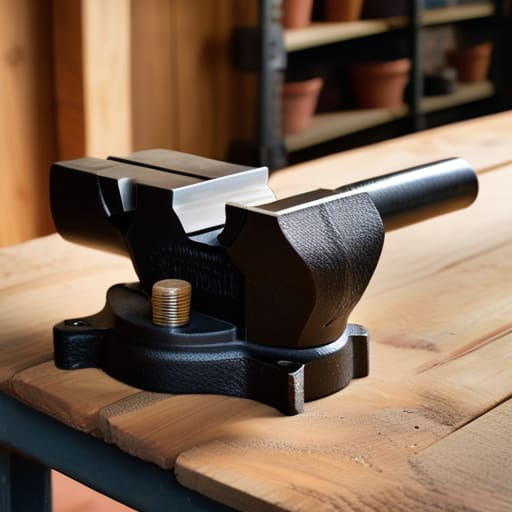
You’ll see plenty of modern vices in the big-box stores made of cast iron, and for good reason—it’s heavy, it’s stable, and it doesn't flex when you're putting your weight into a cut. But don't go thinking every heavy hunk of metal is worth your hard-earned cash. If the casting is poor or the metal is brittle, it’ll crack the first time you try to tighten it down on a piece of seasoned oak. When looking at the best materials for bench vices, you want something that offers mass without being prone to shattering under pressure.
I’ve always preferred a solid, heavy-duty cast iron body, provided the finish is decent. Some of the newer, cheaper models use alloys that feel alright at first, but they lack the soul and the longevity of the old stuff. If you're looking at different bench vice types and uses, remember that a vice is only as good as its ability to stay rigid. If the material yields even a fraction of a millimeter under load, you've lost your precision. You want a tool that stays put, not one that dances on your bench.
Five Things to Look for Before You Open Your Wallet
- Check the jaw capacity, and don't just look at the maximum width. You need to know if it can actually hold a piece of timber thick enough for the work you do most often. A vice that can hold a thin strip but can't grip a stout piece of oak is nothing more than a paperweight.
- Look for how the screw moves. I’ve seen too many modern vices with threads so fine they take an age to close, or so coarse they jump and skip. You want a smooth, solid movement that feels like it’s biting into the wood, not slipping.
- Avoid anything with plastic components in the moving parts. If a part can't be filed, tapped, or repaired when it wears down, it doesn't belong on my bench. A proper vice should be all metal, through and through, so it lasts longer than you do.
- Consider the mounting. A vice is only as good as the bench it’s bolted to. Make sure the base is wide enough to distribute the pressure, otherwise, you'll find yourself cracking your benchtop every time you try to force a stubborn workpiece.
- Test the grip of the jaw faces. If they come with smooth metal plates, make sure you have a plan for adding softwood liners. You want something that holds the timber firm without marring the surface, but you also need to be able to swap those liners out when they get chewed up.
Making the Final Call
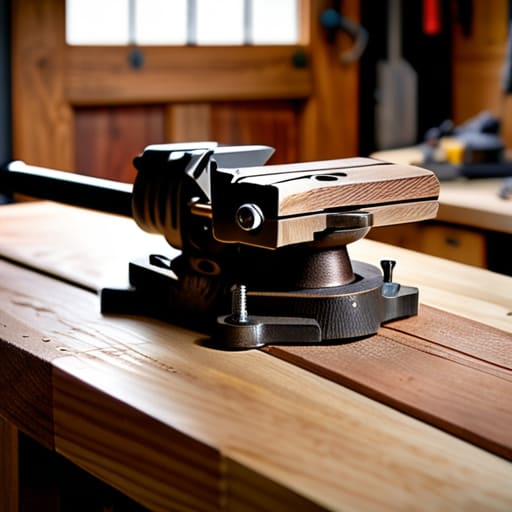
At the end of the day, choosing a vice isn't about finding the flashiest model in a catalogue or the one with the most moving parts. It’s about understanding what you’re actually going to do at that bench. If you’re doing fine joinery, you need a woodworking vice that won't mar your timber; if you’re clamping up heavy metalwork, you need the bite of a machinist’s version. Remember, the material matters just as much as the mechanism. Don't buy a cheap, cast-iron piece of rubbish that'll crack the first time you put some real pressure on it. You want something built to last, something that can be maintained and adjusted long after the modern, disposable junk has ended up in a landfill.
I’ve spent forty years watching men struggle with tools that weren't up to the task, and it always comes back to the same thing: you cannot do good work if your workpiece is moving. A solid vice is the foundation of everything else you do. It is the one part of your workshop that should never be a compromise. Invest in something that feels substantial, something that holds its ground without question, and something you can rely on when the real work begins. Once you have a vice you can trust, the rest of the job becomes a matter of skill, not a battle against your equipment.