Whether a Premium Plane Is Worth It
 Callum Reith-Sowande
I’ve spent forty years on-site and another ten in the classroom, and if there’s one thing that gets my goat, it’s the glossy, over-polished nonsense you see online these days. Most people don't know how to review a premium tool; they just read a marketing brochure and repeat the same tired adjectives like "revolutionary" or "game-changing." They talk about weight and finish, but they never talk about whether the steel actually holds an edge after a day of heavy paring, or if the handle is shaped for a real man's grip or just for looking pretty on a shelf. A tool isn't "premium" because it cost a week's wages; it's premium if it actually works when the job gets difficult.
I'm not here to sell you on the hype or help you justify a massive credit card bill. My promise to you is simple: I’m going to show you how to look past the shiny packaging and test the true soul of a tool. We’ll talk about things that actually matter—repairability, steel quality, and how it feels in the hand when you're halfway through a long afternoon. I'll give you the straight truth, based on decades of sawdust and sweat, so you can stop wasting money on gear that's designed to be thrown away.
Evaluating High End Product Features Without the Fluff
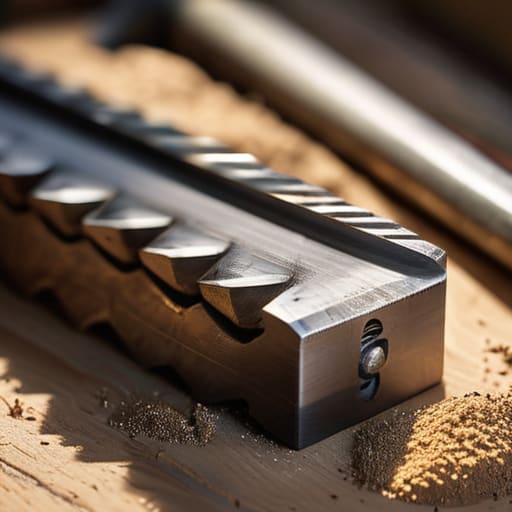
When you’re looking at a tool that costs more than a week's wages, the marketing gloss doesn't mean a thing to me. I don't care about the fancy laser-etched logos or the padded carrying cases that'll be sitting in a shed in six months. What I care about is whether the steel is actually worth the price. You have to start by identifying feature bloat—all those extra bells and whistles that look good in a showroom but just end up being more things that can break when you're halfway through a joint. If a feature doesn't make the cut cleaner or the work safer, it’s just dead weight.
I always approach a new piece of kit by looking for the substance underneath the shine. You aren't just buying a tool; you're buying years of service. When I'm evaluating high-end product features, I ask myself: "Can I maintain this?" If a manufacturer has built a tool so complex that you can't even get to the guts to fix a simple spring or a worn bearing, then it isn't a premium tool—it's a disposable one. A real tool should be built to be repaired, not replaced.
A Real Premium vs Budget Tool Comparison
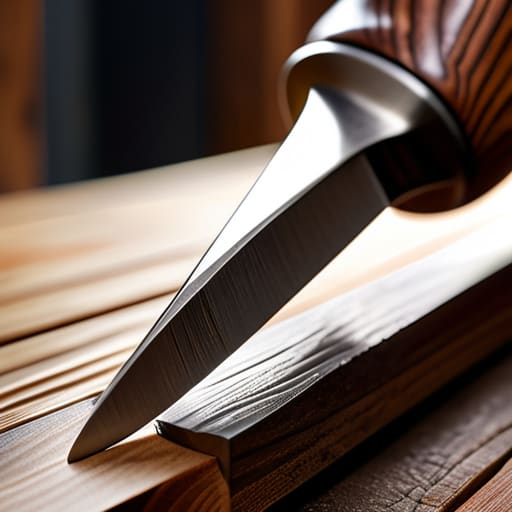
When I was teaching apprentices, I’d always tell them the same thing: a cheap chisel isn't a bargain if you spend half your morning fighting the steel. In a proper premium vs budget tool comparison, you aren't just looking at the price tag on the box; you're looking at the quality of the grain and the temper of the metal. A budget plane might look fine on the shelf, but once you try to take a shaving thinner than a human hair, the cheap casting will flex and the edge will wander. You'll find yourself fighting the tool rather than the timber.
You have to look at the long game—what some folks call measuring return on investment, though I just call it common sense. A premium tool is built to be maintained. It has parts you can actually replace and steel that holds an edge through a full day's work. Budget gear is often designed to be a consumable; once it’s blunt or the handle snaps, it goes straight in the skip. I don't buy anything I can't fix, and a quality tool is designed to be mended, not tossed.
Five Rules for Testing if a Tool is Worth the Weight
- Forget the marketing brochure and get to the steel. A premium tool isn't defined by how many features it has, but by how long it holds a decent edge once you’ve put it to actual timber. If you can't tell the difference in the cut after ten minutes of work, it’s just expensive scrap.
- Check the repairability before you commit. I don't care how polished the handle looks if the head is cast in a way that makes it impossible to reset or fix when it inevitably takes a knock. If you can't maintain it, you don't own it; you're just borrowing it from the landfill.
- Look for balance, not just weight. A heavy tool isn't necessarily a good one. You want something that feels like an extension of your arm, not a lead weight you have to fight against every time you swing a mallet or push a plane.
- Test the tolerances. In a cheap tool, everything is "close enough," but in a premium piece, the fit should be tight and predictable. If there’s play in the adjustment mechanism or the blade wobbles even a fraction, it’ll never give you the precision you’re paying for.
- Put it through a real cycle of use. Don't just give it a quick pass on a scrap piece of pine. Take it into some seasoned oak or something with a bit of grit in it. A tool that performs in the showroom might fall apart the moment it meets real-world resistance.
The Final Verdict
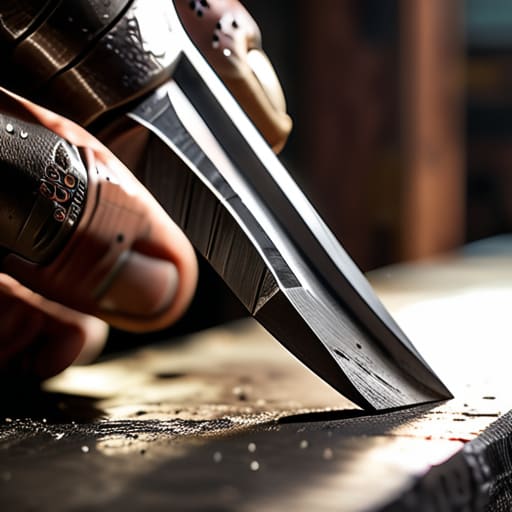
At the end of the day, reviewing a premium tool isn't about checking off a list of fancy bells and whistles or getting swept up in a marketing brochure. It’s about whether that tool can actually do the job and, more importantly, whether it’s built to last. You’ve looked at the steel, you’ve tested the ergonomics, and you’ve seen how it stands up against the cheap alternatives that fall apart after a month of heavy use. If a tool doesn't hold its edge or if it’s designed to be replaced rather than repaired, it doesn't matter how much it cost—it’s not a premium tool. Real quality is found in the details that you can feel in your hands when you're halfway through a long afternoon of work.
Don't let the industry convince you that more features always mean better performance. I’ve spent forty years seeing men buy expensive machinery only to realize they’ve lost the knack for the fundamental work. A truly great tool is an extension of your own arm, something that respects your craft and stays with you for a lifetime. Invest in gear that you can maintain and master, not just gear that looks good on a showroom shelf. If you take care of your tools, they will take care of you, and you’ll find that the most expensive thing you can own is a tool that fails when the work gets serious.